

Solar Power System Installation Project
BEM is committed to reducing GHG emissions from electricity consumption while increasing the proportion of renewable energy utilization by installing solar power generation systems (solar cells) across the Company’s various buildings. Furthermore, the Company has partnered with CK Power Public Company Limited to pioneer the first-time use of solar energy to power mass transit rail systems in Thailand. A target has been established to generate and utilize an average of at least 834,000 kWh of renewable energy per month, or 10,147,000 kWh per year, through the following projects:
The Project to install a Ground-Mounted Solar Power System at the Rama 9 Depot
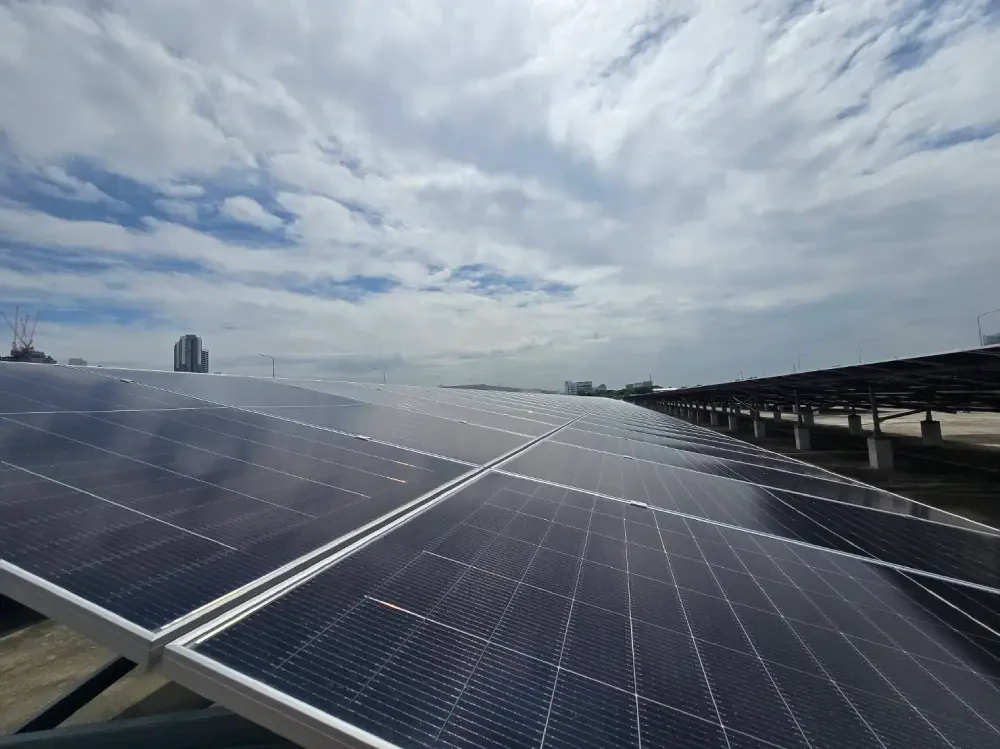
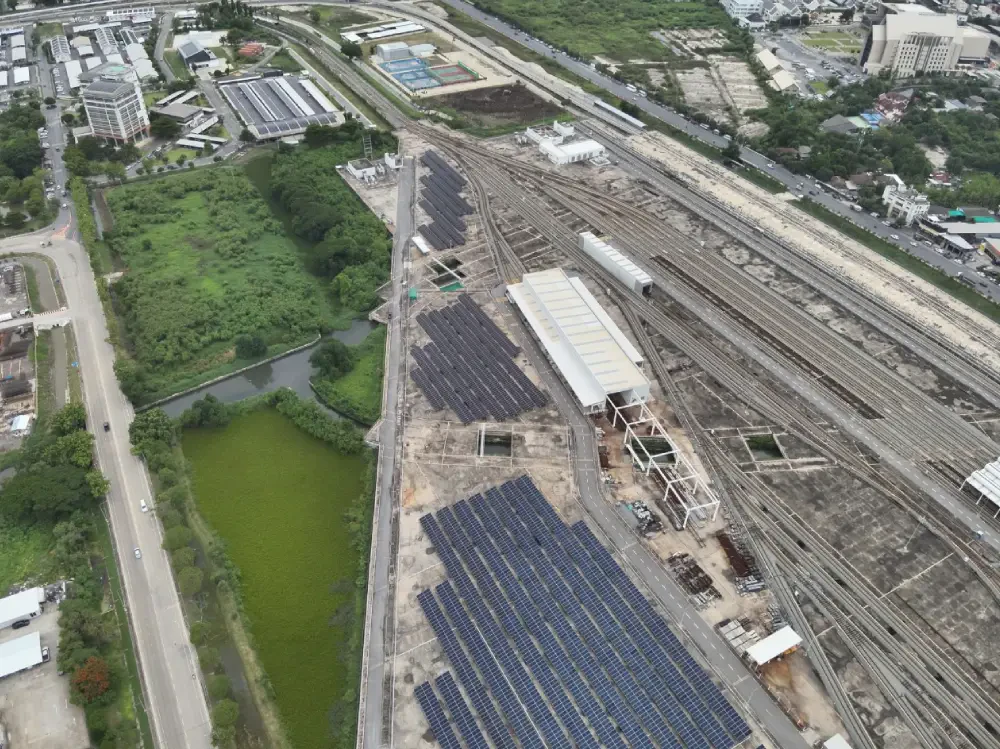
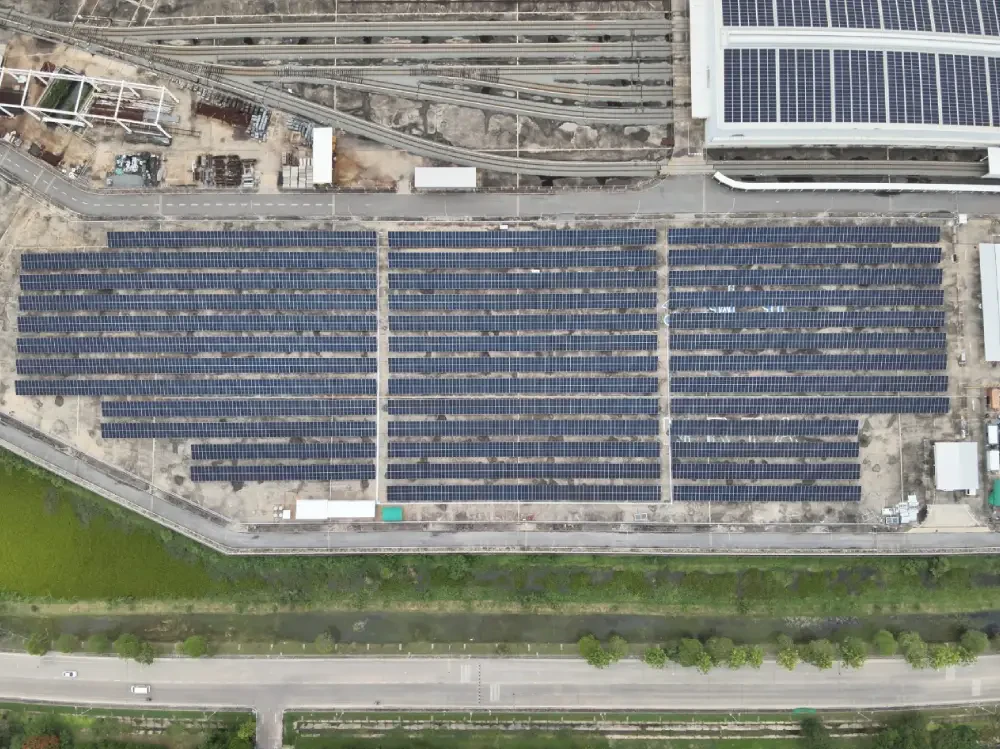
BEM arranged for the installation of a ground-mounted solar power system as “Solar Farm” over an area of 43,000 m2 (approximately 27 rai) at the Rama 9 Depot. This initiative stands as the largest solar power generation project in Bangkok, featuring an installed maximum capacity of 4,658 kWp. The project is expected to save approximately 1.81 million THB in energy costs per year and generate 5.52 GWh of renewable electricity per year, mitigating GHG emissions by 3,304 tCO2e per year. The equipment installation was 100% completed in June 2025, and official power injection into the system is expected to commence within 2026.
The Project to install a Rooftop Solar Power System at the Main Workshop Building
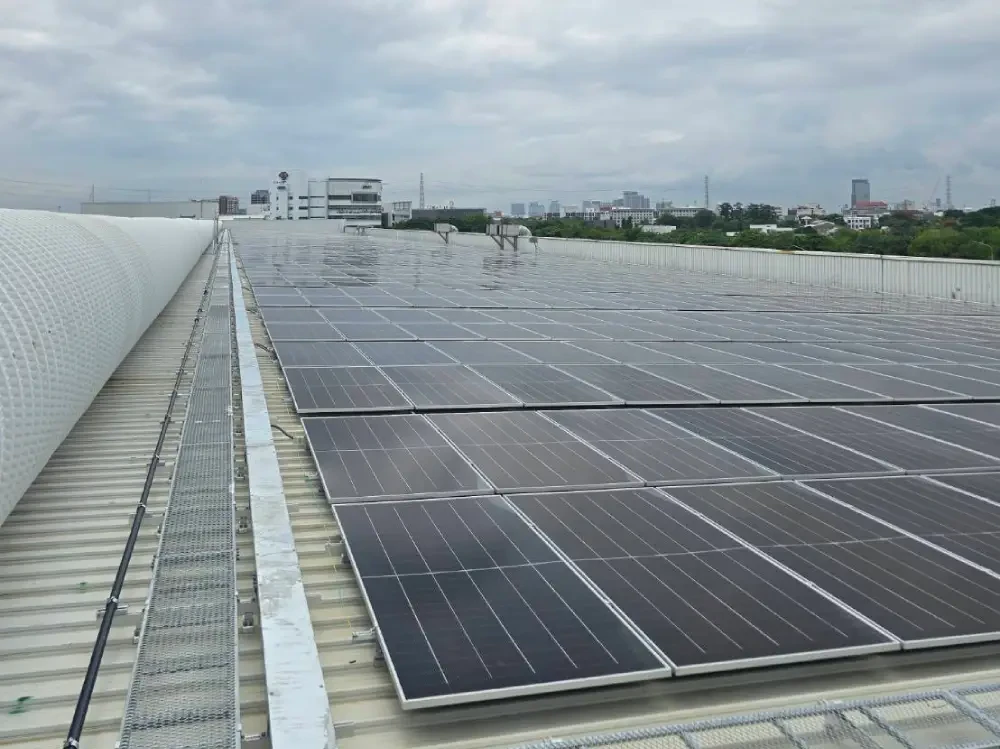
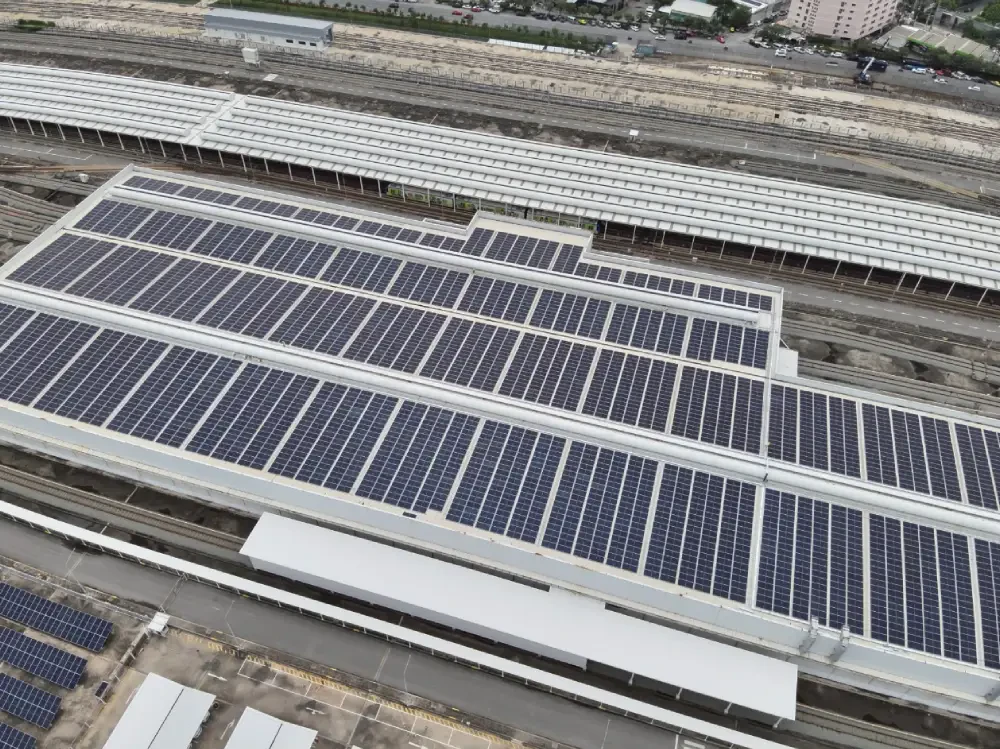
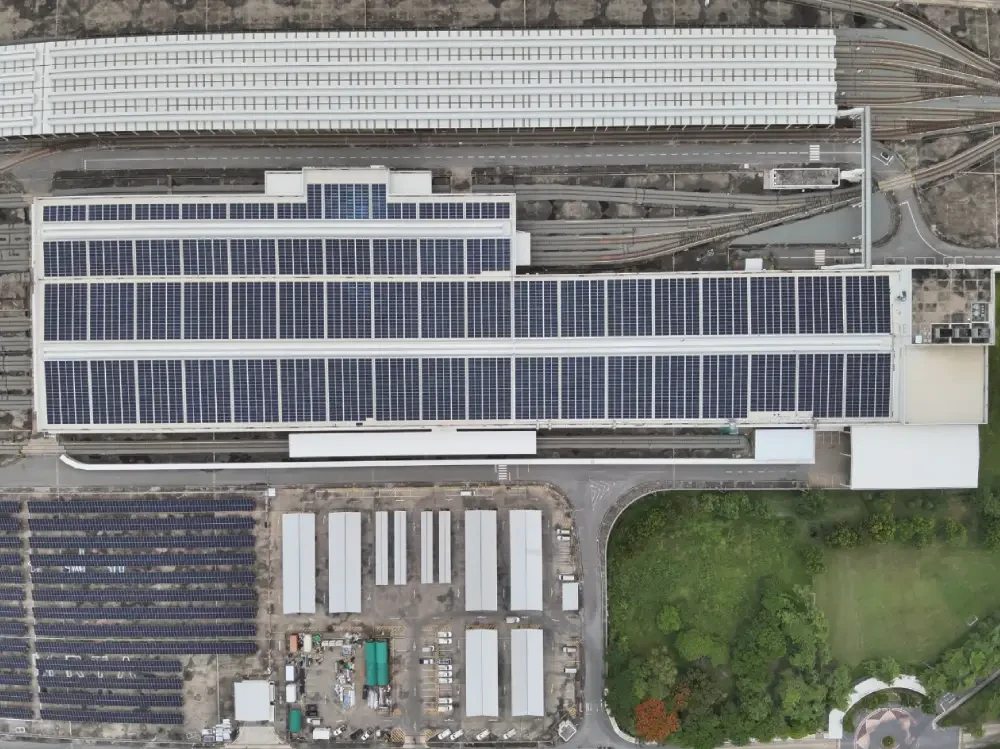
BEM arranged for the installation of a rooftop solar power system as “Solar Rooftop” over an area of 32,000 m2 (approximately 20 rai) at the Rama 9 Depot, featuring an installed maximum capacity of 3,213 kWp. This initiative is projected to save approximately 1.26 million THB in energy costs per year and generate 3.84 GWh of renewable electricity per year, mitigating GHG emissions by 2,299 tCO2e per year. The equipment installation was 100% completed in June 2025, and official power injection into the system is expected to commence within 2026.
The project to install Rooftop Solar Power System at the Si Rat Expressway Toll Buildings, Udon Ratthaya Expressway Toll Buildings, and Prachim Ratthaya Expressway Control Center
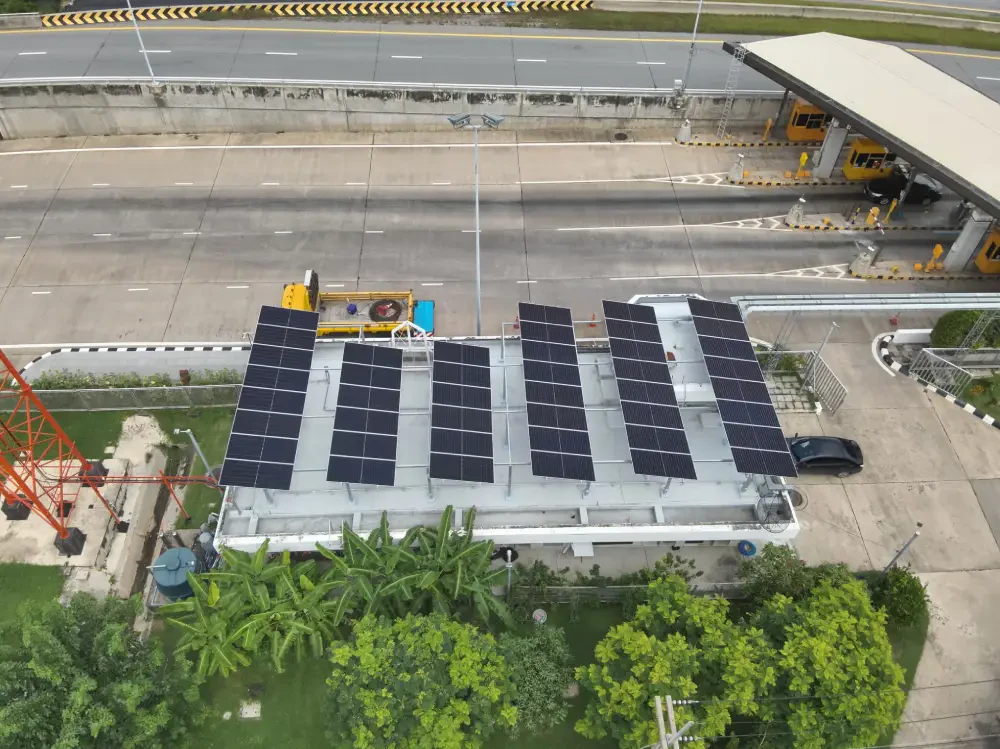
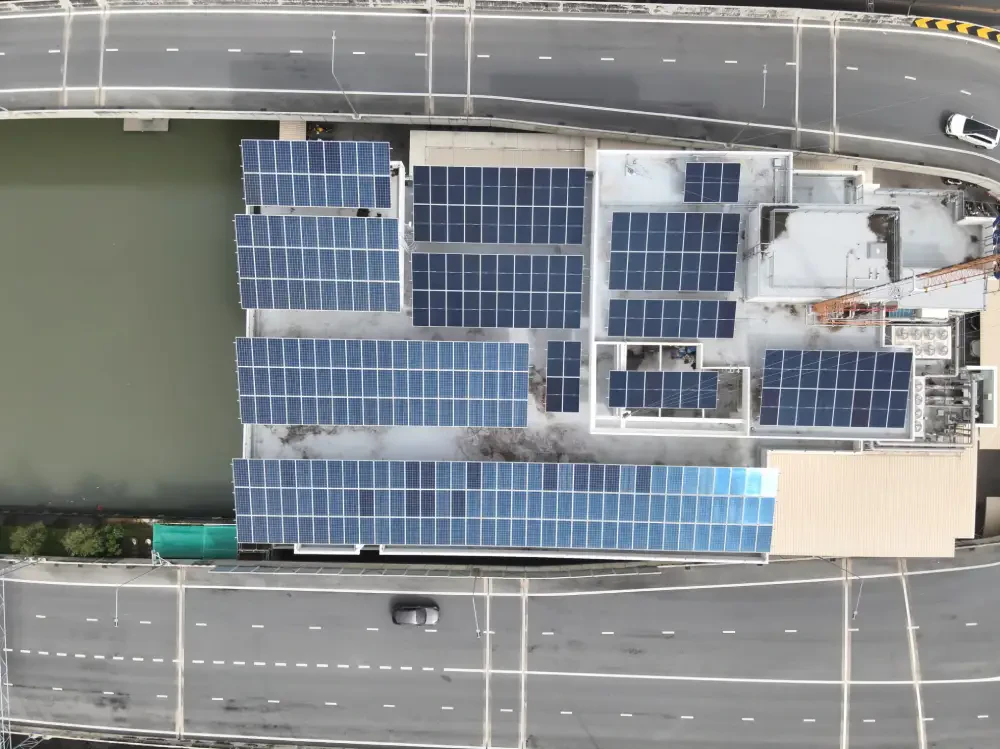
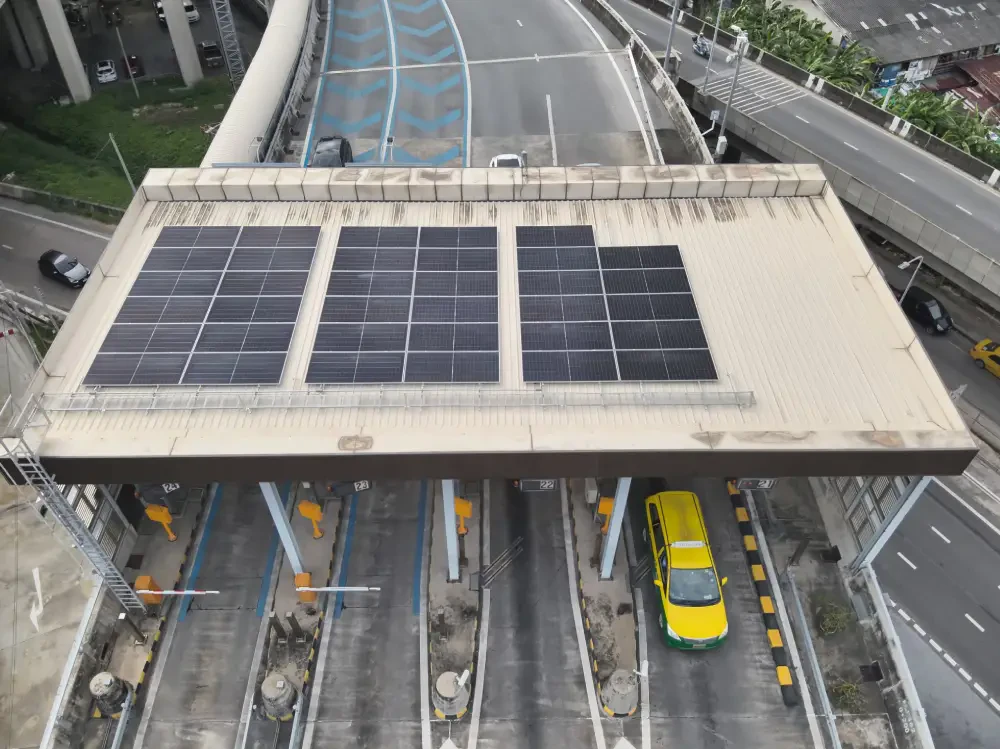
In 2025, BEM planned to install solar power systems on rooftops across a total of 14 buildings. This included an additional five Si Rat Expressway Toll Buildings (Sector A, C and D) as a continuation from the 2024 operations, featuring an installed maximum capacity of 100 kWp; eight Udon Ratthaya Expressway Toll Buildings, featuring an installed maximum capacity of 170 kWp, and one building at the Prachim Ratthaya Expressway Control Centre, featuring an installed maximum capacity of 50 kWp. This collective initiative was projected to save approximately 1,868,800 THB in energy costs per year and generate 467,200 KWh of renewable electricity per year, mitigating GHG emissions by 233.55 tCO2e per year.
The equipment installation across 13 buildings at the Si Rat Expressway and Udon Ratthaya Expressway Toll Buildings Rooftops were 100% completed in June 2025. Following completion, this portion successfully reduced expenses by approximately 784,996 THB, generated 201,281 kWh of renewable energy, and avoided GHG emissions by 100.62 tCO2e. Additionally, the equipment installation at the one Prachim Ratthaya Expressway Control Centre building was 100% completed in August 2025, successfully reducing expenses by approximately 98,916 THB, generating 25,363 kWh of renewable energy, and avoiding GHG emissions by 12.68 tCO2e.
“Other Projects Efficiency Improvement Projects”

In addition to implementing various projects, BEM also encourages employees to participate in reducing energy consumption and GHG emissions from their daily activities. This is achieved through internal environmental campaigns and awareness-building programs, such as:
- Promoting to use stairs instead of elevators for travel between adjacent floors (1–2 floors) to reduce electricity consumption
- Campaigning for employees to turn off lights, computers, monitors, and electrical equipment at their workstations whenever not in use
- Promoting the use of the Company’s shuttle services according to designated schedules to reduce personal vehicle usages and fossil fuel consumption
- Conducting an annual survey on energy conservation knowledge and awareness to assess employees’ knowledge, understanding, and attitudes, with the results used to improve internal communication strategies
- Communicating office building energy consumption information to both internal and external stakeholders to promote energy efficiency and environmental conservation
These initiatives help reduce energy and fuel consumption from internal activities, while cultivating a long-term corporate culture of resource efficiency and environmental responsibility.
