

Environmental Management

Goal 6:
Goal 12:
Management Guidelines and Practices
BEM operates its business with a commitment to environmental responsibility while also taking resource utilization and environmental impacts into account.
This approach is consistent with the Company’s vision, mission, and sustainability principles. To achieve this, the Company has established its Environmental and Climate policy and practices to ensure effective and efficient environmental performance. The Company has also integrated international principles, standards, and relevant environmental regulations and laws into its operations. The Company has implemented an Environmental Management System (EMS) in accordance with ISO 14001 standard to support resource conservation and environmental protection within the organization. The EMS, certified by TUV NORD (Thailand) Co., Ltd., currently covers 57.74% of the Company’s operations, including the expressway business (Sector D) and the rail business. Furthermore, the Company is currently evaluating the expansion of this ISO 14001 certification scope to encompass all business units and operational processes, thereby elevating the Company's environmental standards across the entire organization.
Impact on Business and Stakeholders




The intensifying environmental problems and the deterioration of natural resources caused by lack of proper management have resulted in widespread damage to the economy and quality of life for people in the country. Recognizing its role in being a part of society and the country and driving the economy, BEM strives to enhance the environmental management system to achieve appropriate and effective reduction of environmental impact to avoid effects on confidence and image or disputes regarding environmental issues. The Company stands ready to develop its potential in environmental management according to international standards and deliver services that cater to stakeholder expectations.

Commitment, Challengesand Opportunities
Environmental management and resource efficiency are vital issues. They must be taken into consideration upon operating businesses in order to mitigate environmental impacts and reduce risks arising from non-compliance with environmental requirements, regulations, and laws, which are essential in driving businesses.
BEM is therefore committed to conducting business and implementing environmental management in accordance with international standards and strict compliance with relevant laws. The Company also works to develop and improve services by adopting new technology to render greater efficiency in improving work processes, reduce resource consumption, and optimize available resource utilization according to the Company's Environmental Management Policy and Mission. At the same time, BEM has set well-defined targets in long-term business planning related to stakeholder expectations and improved operations in line with progress to enable the Company's steady growth in conjunction with the sustainable preservation of natural resources and the environment.

Targets and Performance Indicators
BEM set a target to reduce waste generation by 8% from base year (2023). However, due to the installation of additional waste bins at disposal points within the MRT stations to enhance customer convenience, waste from customers increased by 39.79%. Consequently, the Company was unable to achieve its resource and waste reduction targets.
Furthermore, BEM set a target to reduce water consumption by 8% from the 2023 base year. However, according to the 2025 performance outcomes, an increase in customer volume led to a 0.48% in water consumption. Consequently, the Company was unable to achieve its established target.
BEM strictly adheres to environmental standards and prioritizes environmentally friendly operations. In line with its established targets, there were no incidents of non-compliance with relevant environmental laws or regulations. Additionally, the Company set environmental grievance targets regarding impacts on surrounding communities and external agencies. For the expressway business, the target was set at ≤0.10 cases per 100,000 trips, while the rail business was ≤0.10 cases per 100,000 passengers. Performance outcomes indicate that the Company received complaints at 0.001 cases per 100,000 trips, and 0.001 cases per 100,000 passengers for the expressway business and the rail business, respectively, successfully achieving all established targets.

Reduce Water Consumption1/
Targets
2025 Performance

Reduce Waste Generation1/
Targets
2025 Performance

Violation of Pertinent Environmental Laws and Regulations
Targets
2025 Performance

Complaints from Neighboring Communities and Third Parties Regarding Environmental Impacts (Expressway Business)
Targets
2025 Performance

Complaints from Neighboring Communities and Third Parties Regarding Environmental Impacts (Rail Business)
Targets
2025 Performance
Remark:
1/Compared to the base year 2023
2/Numbers in parentheses indicate values that are in the opposite direction of the target. For example, (0.48) means that water consumption increased by 0.48%, or (39.79) means that waste increased by 39.79%.
Policy and Practices
Environmental and Climate Policy
BEM operates its business in accordance with the Environmental and Climate Policy, emphasizing social and environmental responsibility. The Company is committed to the continuous development and improvement of environmental management system and climate change response mechanisms to align with international principles and standards, fostering business sustainability. This commitment extends to activities involving all stakeholder groups.
Guidelines for Implementing the Environmental and Climate Policy


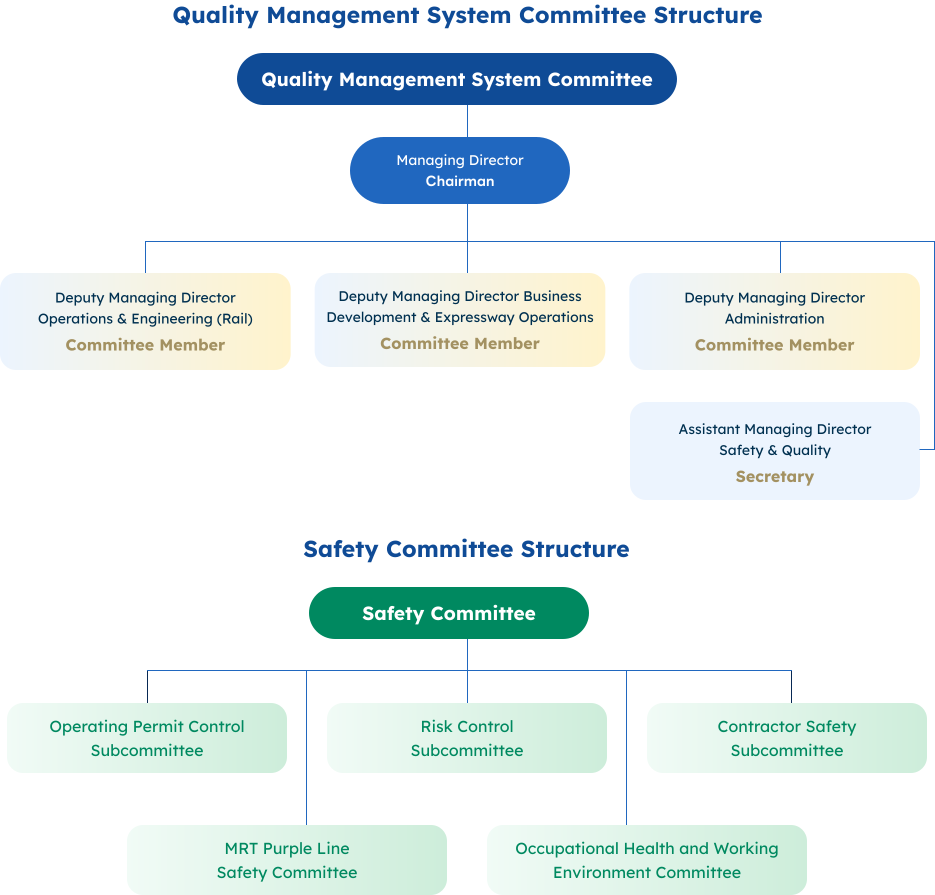
Furthermore, environmental performance is a shared responsibility of all employees, as well as suppliers, contractors, partners and collaborators, who are expected to adhere to the policy and practices consistently and rigorously. The Company has clear environmental management through policy review, performance reporting and environmental related issues to the Quality Management System Committee on a regular basis 4 times a year and to the Safety Committee 6 times a year, to be used to monitor, evaluate, review, improve and formulate guidelines for prevention and resolution of ongoing environmental issues.
Environmental Management Practices
BEM continuously focuses on environmental management in alignment with international standards. With practices in general and specific practices covering stakeholders throughout the value chain, such as Climate Change Management practices, Energy Management practices, Pollution Management practices, which have already been specified in the previous chapter, the pages for other relevant environmental management practices are as follows:

Water Resource and Water Quality Management
BEM is committed to managing water resources with maximum efficiency. The Company leverages technology in system design and equipment upgrades to reduce water consumption. The Company also implements water recycling systems to minimize the withdrawal of freshwater from natural sources. Wastewater generated from the Company’s operations are treated, monitored, and controlled to ensure compliance with legally mandated quality standards before being discharged to the environment.
Waste Management
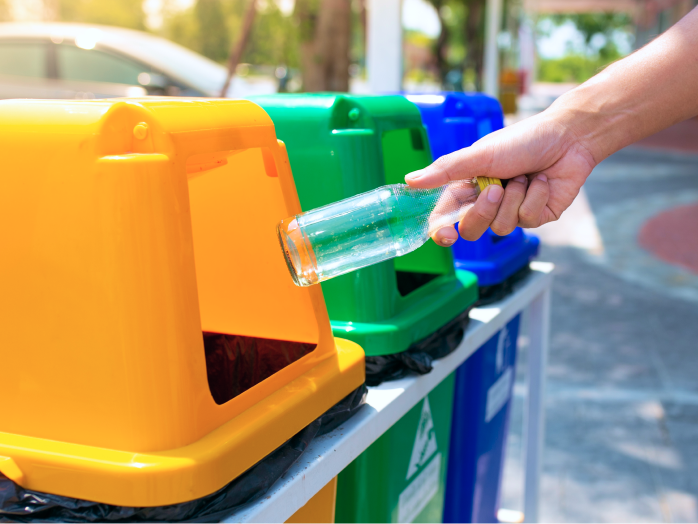
- Reduce: Minimize waste generation by reducing unnecessary usage and avoiding excessive consumption.
- Reuse: Promote the reuse of items to extend their lifespan and reduce waste volume.
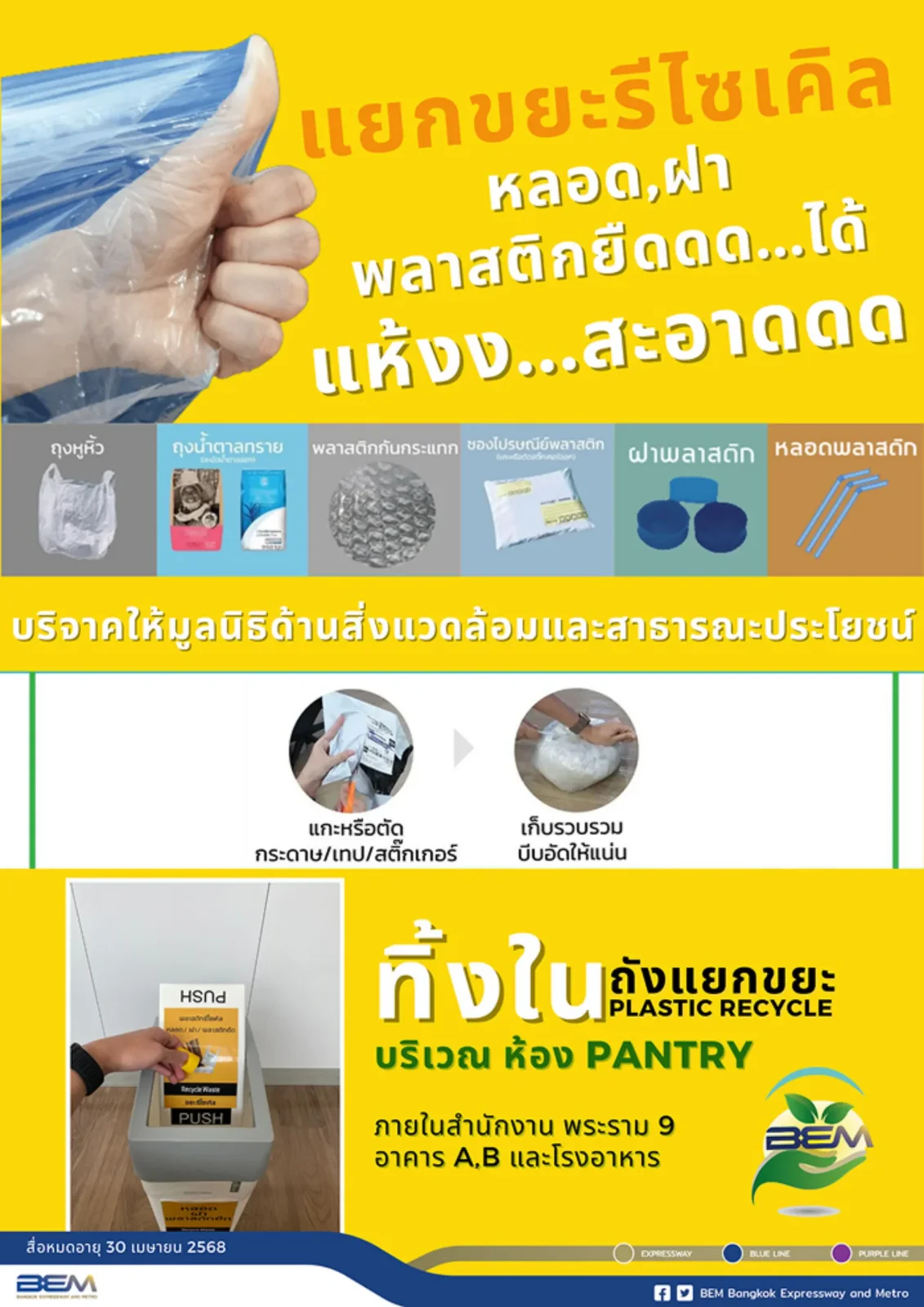
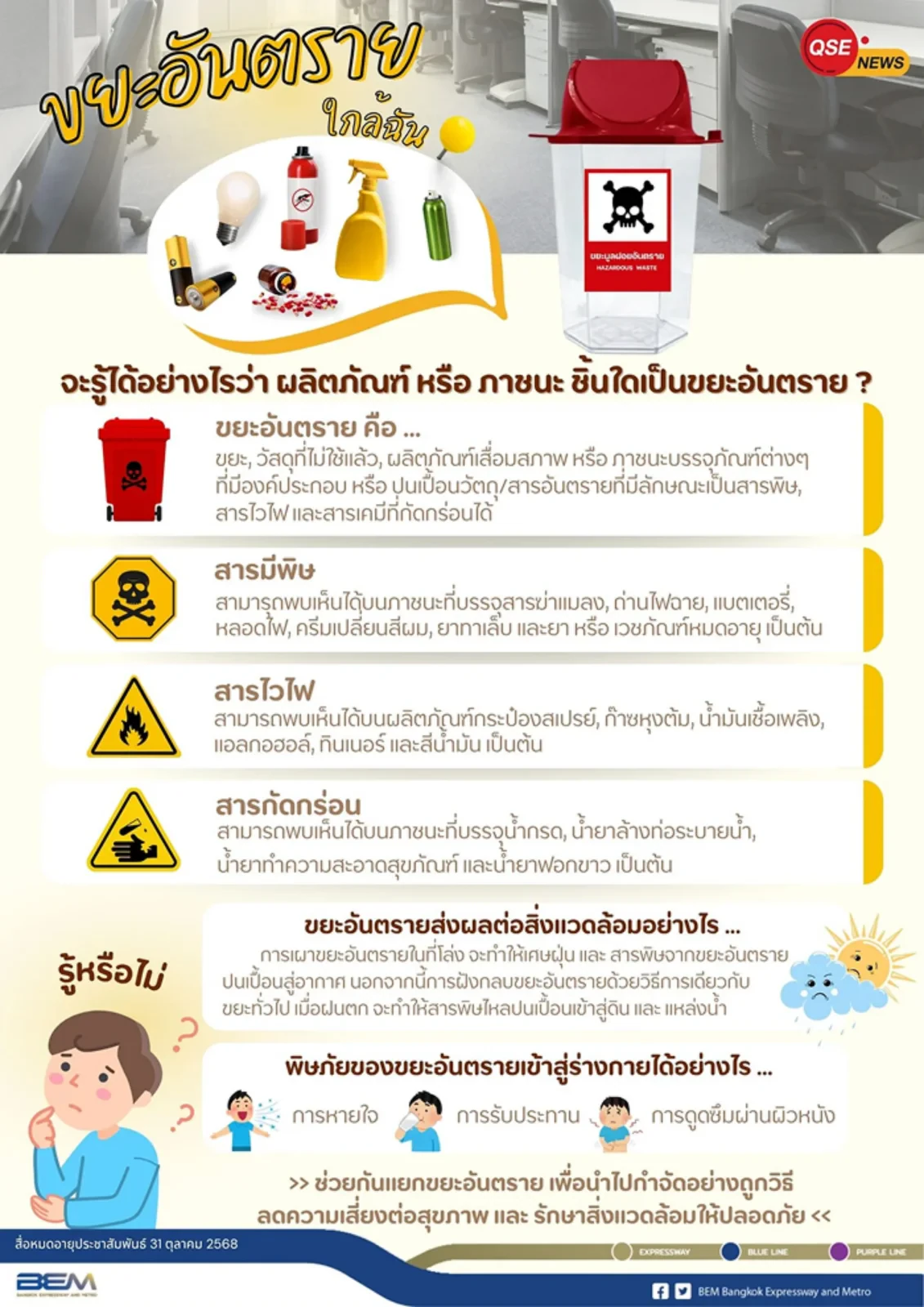
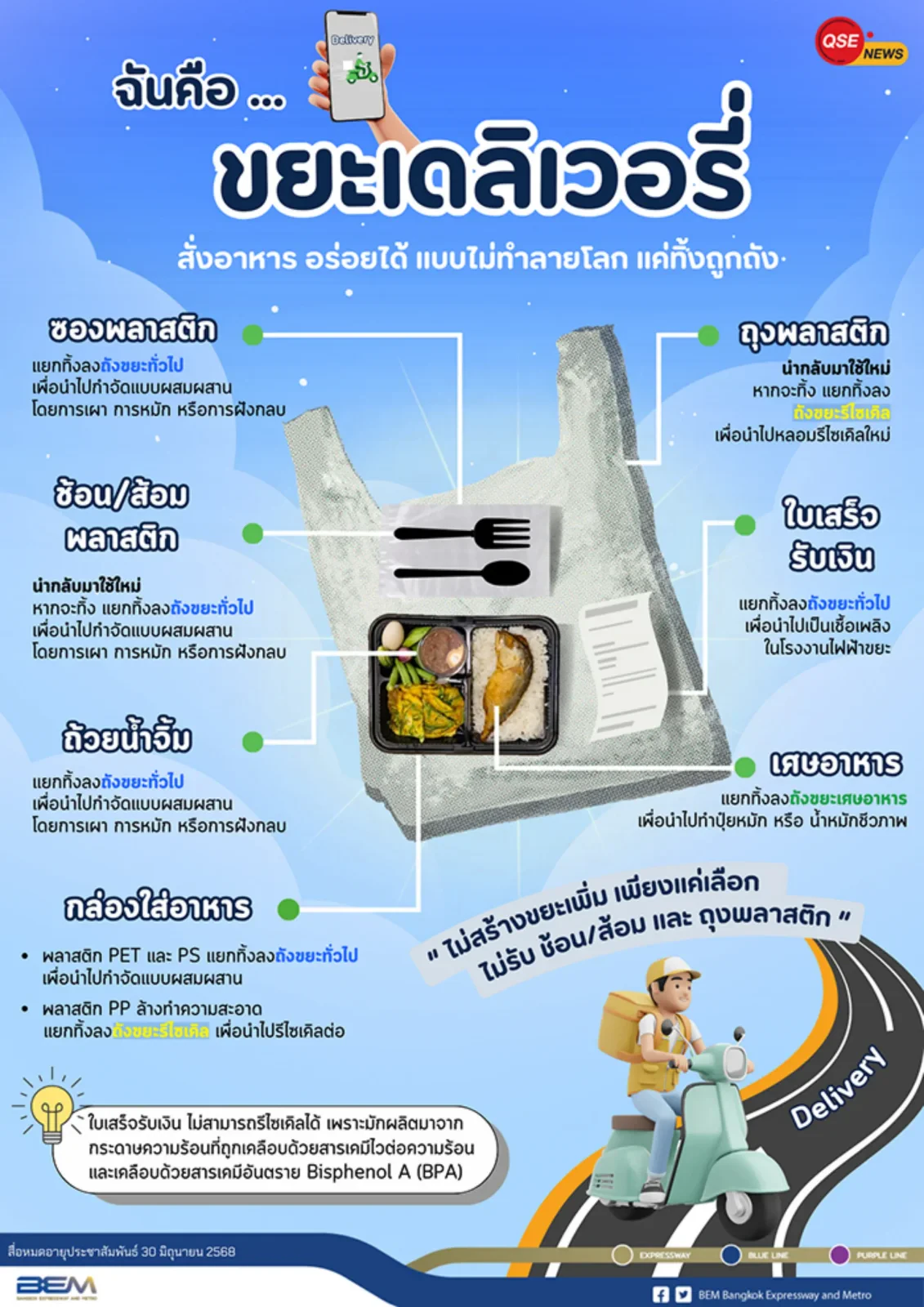
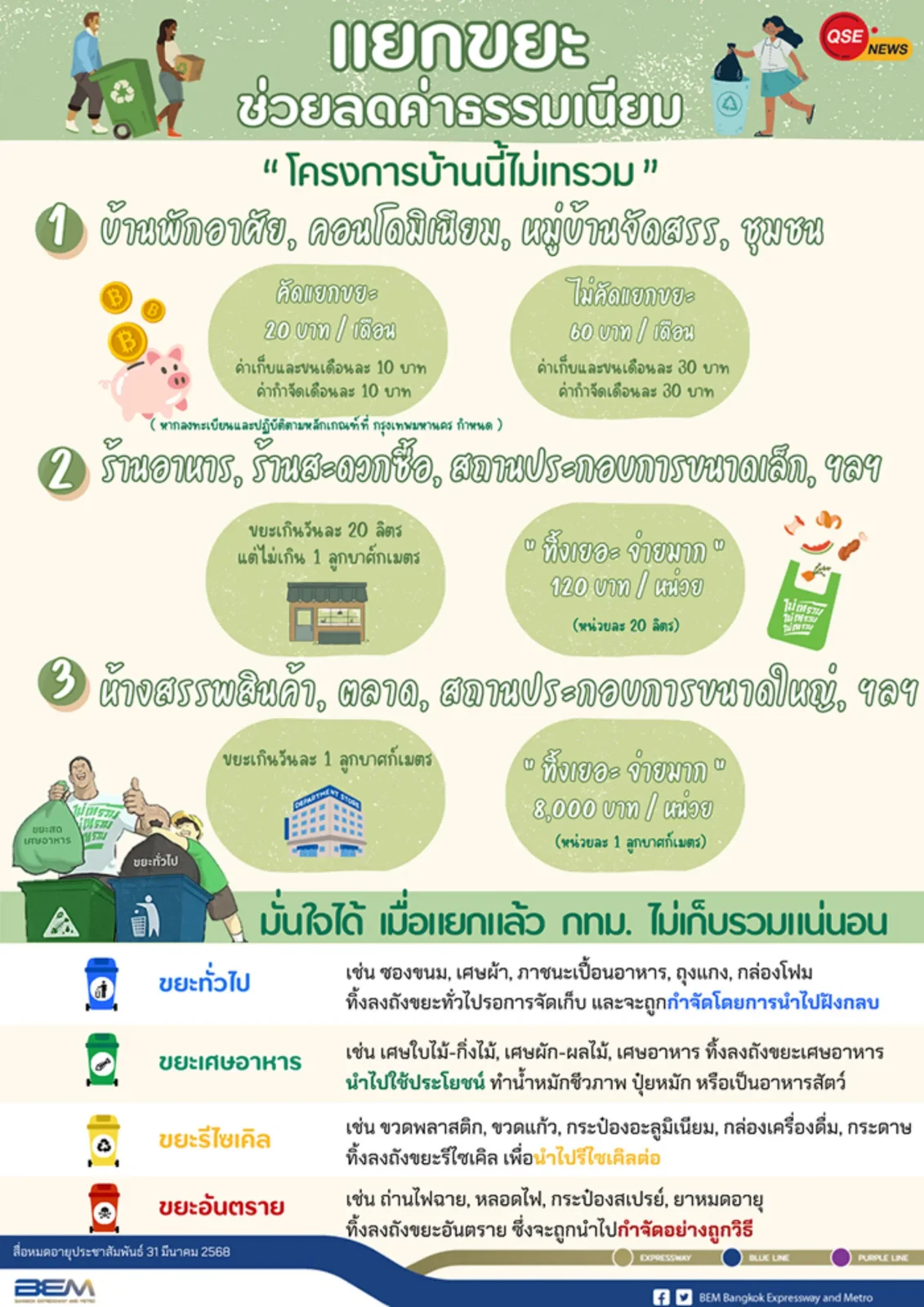
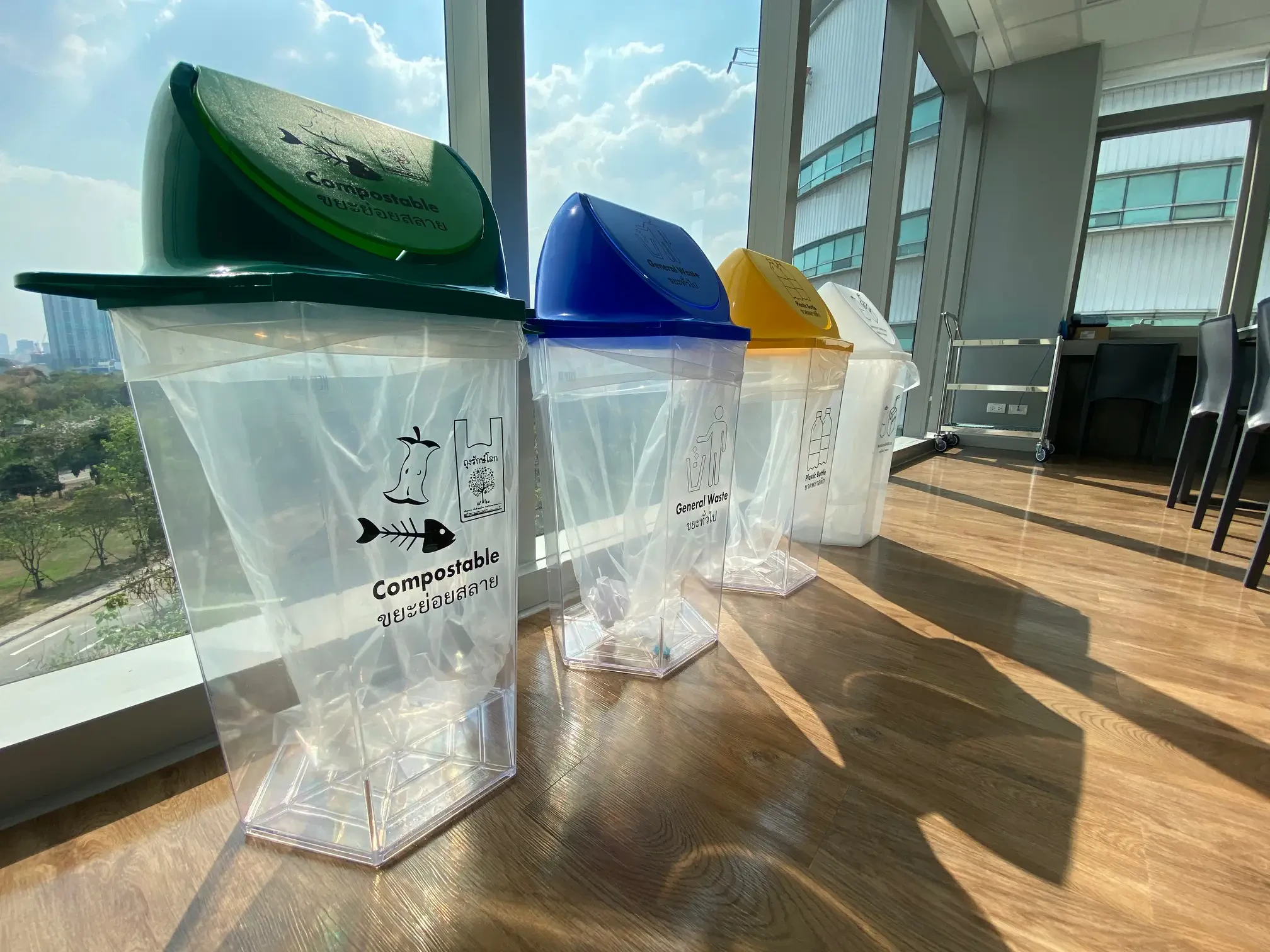
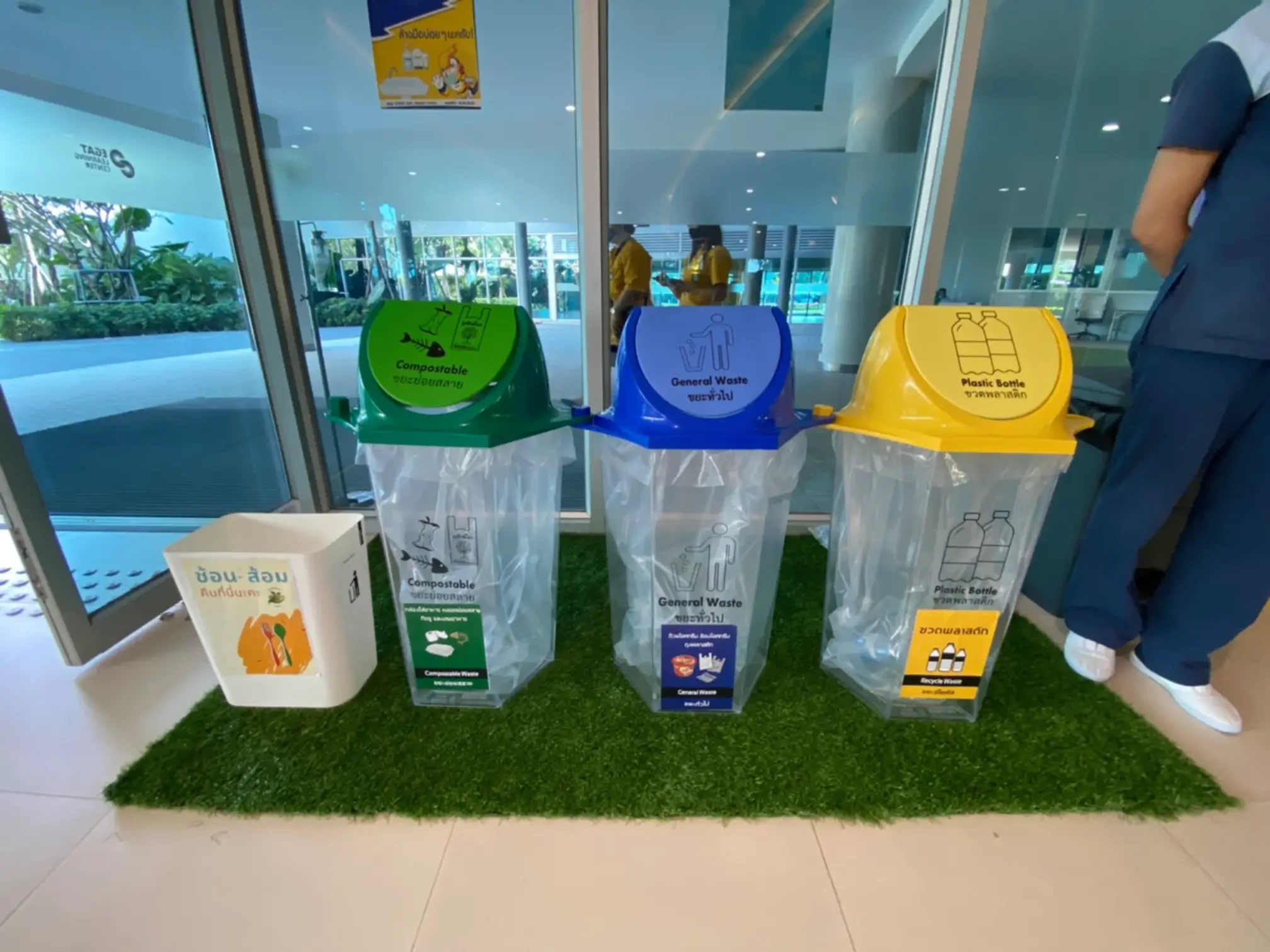
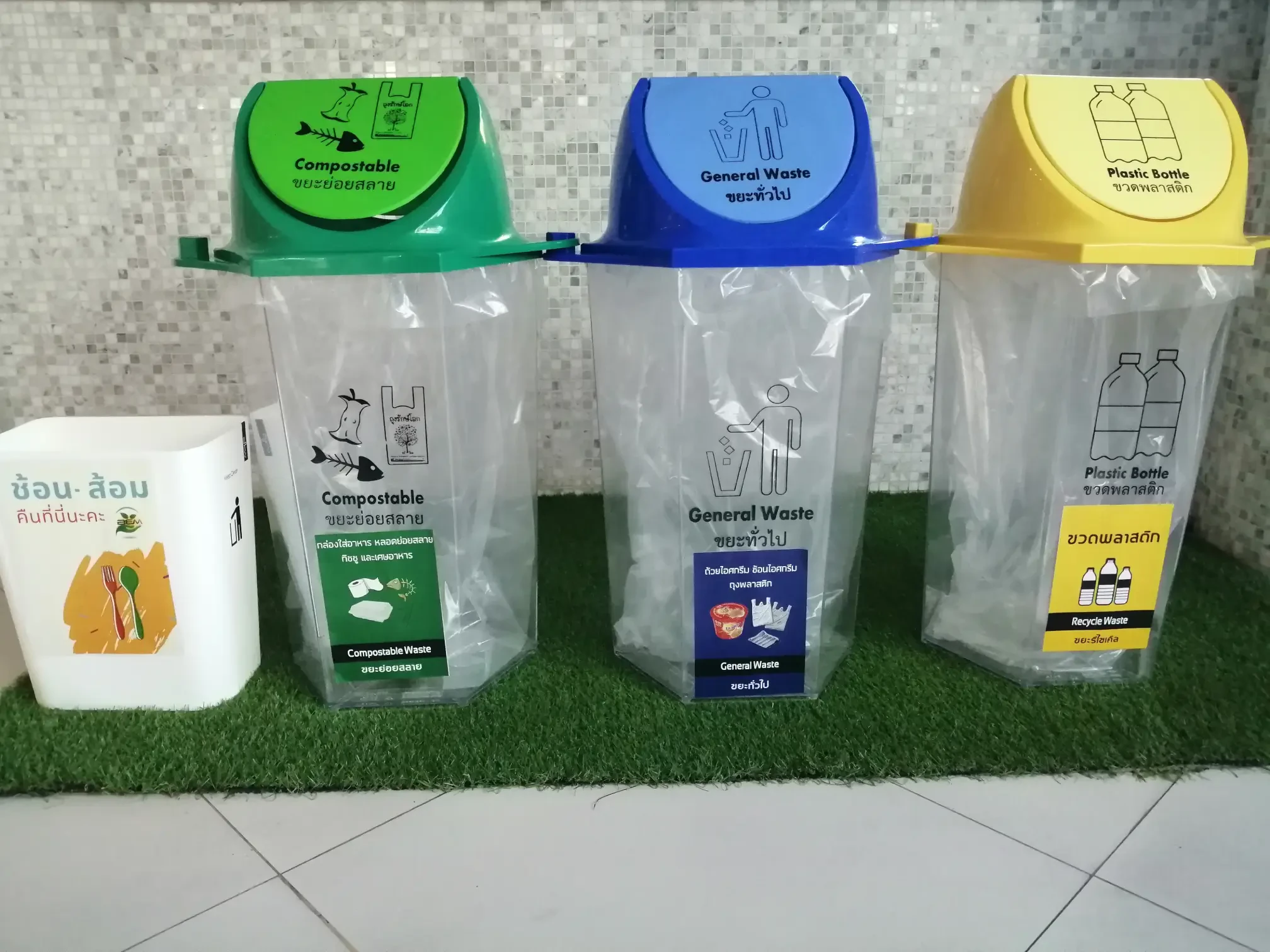
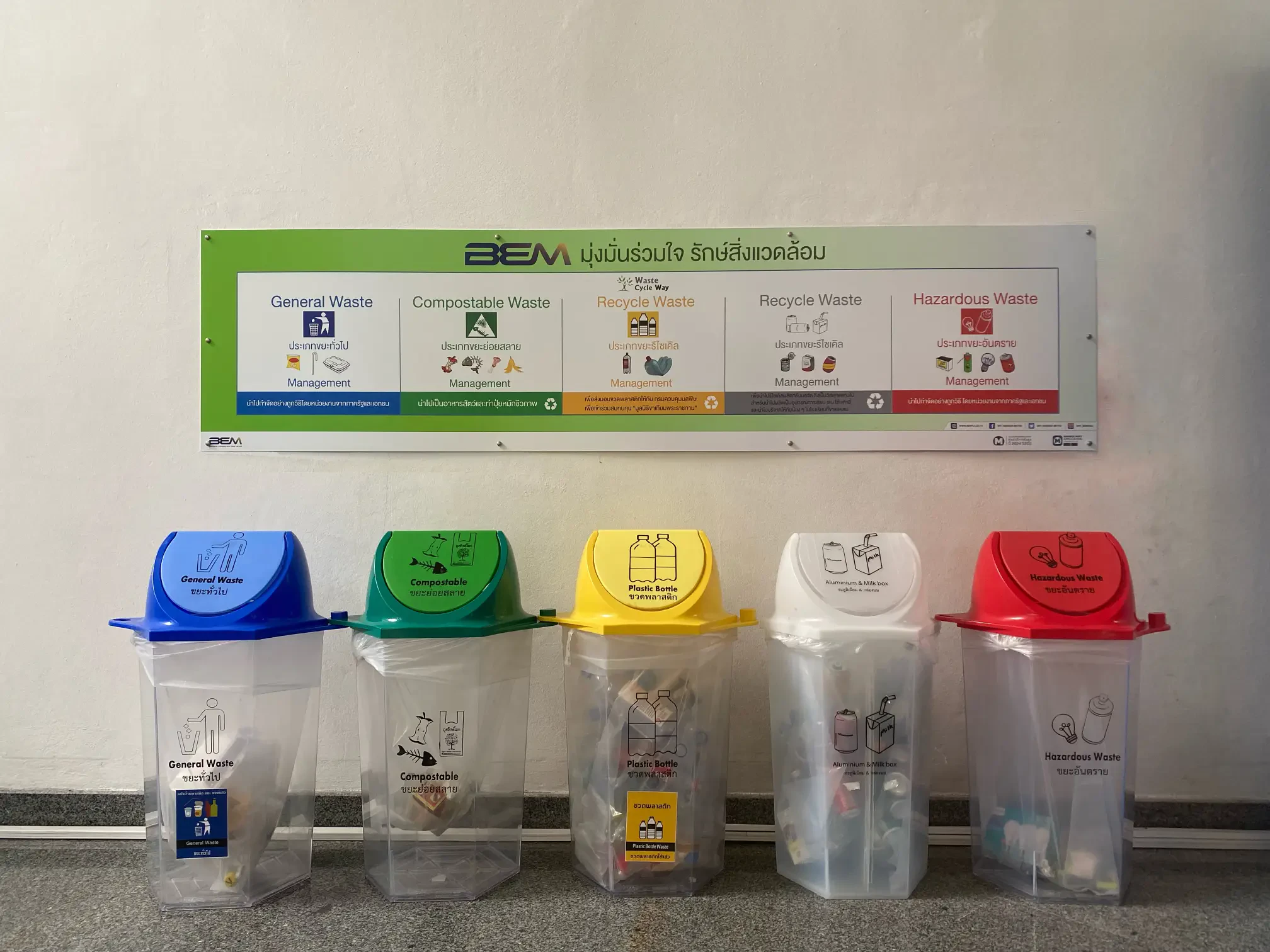
- Recycle: Managing waste segregation efficiently to ensure different waste streams enter reprocessing channels for resource recovery. This also includes the proper handling, treatment, and compliant disposal of organic and hazardous waste in accordance with relevant regulations.
Environmental Management Structure
BEM regularly reviews the policy and reports environmental performance and problems to the Quality Management System Committee four times a year and to the Safety Committee six times a year to review, improve, and explore means of preventing and correcting environmental issues.
Environmental Management Operations
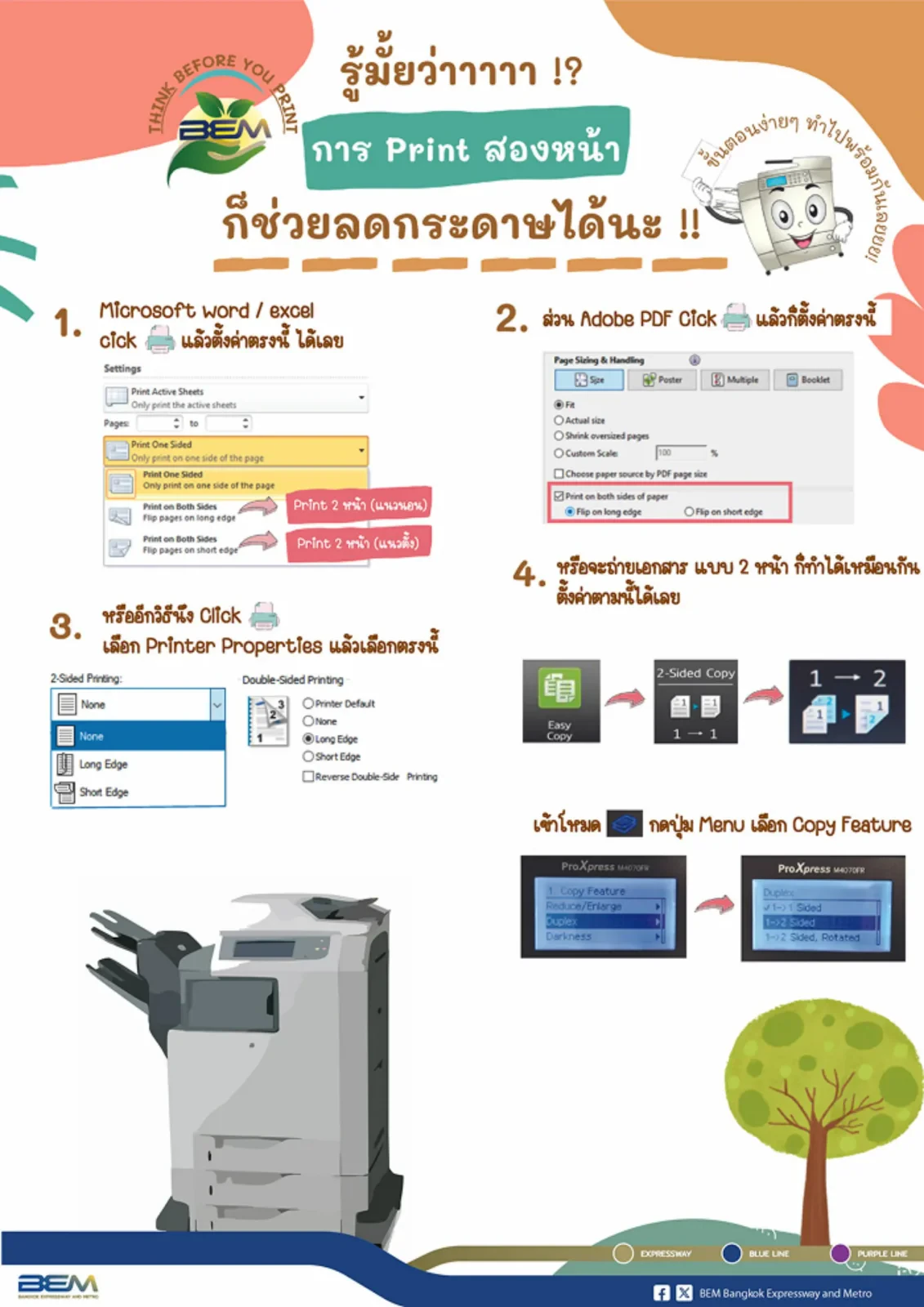
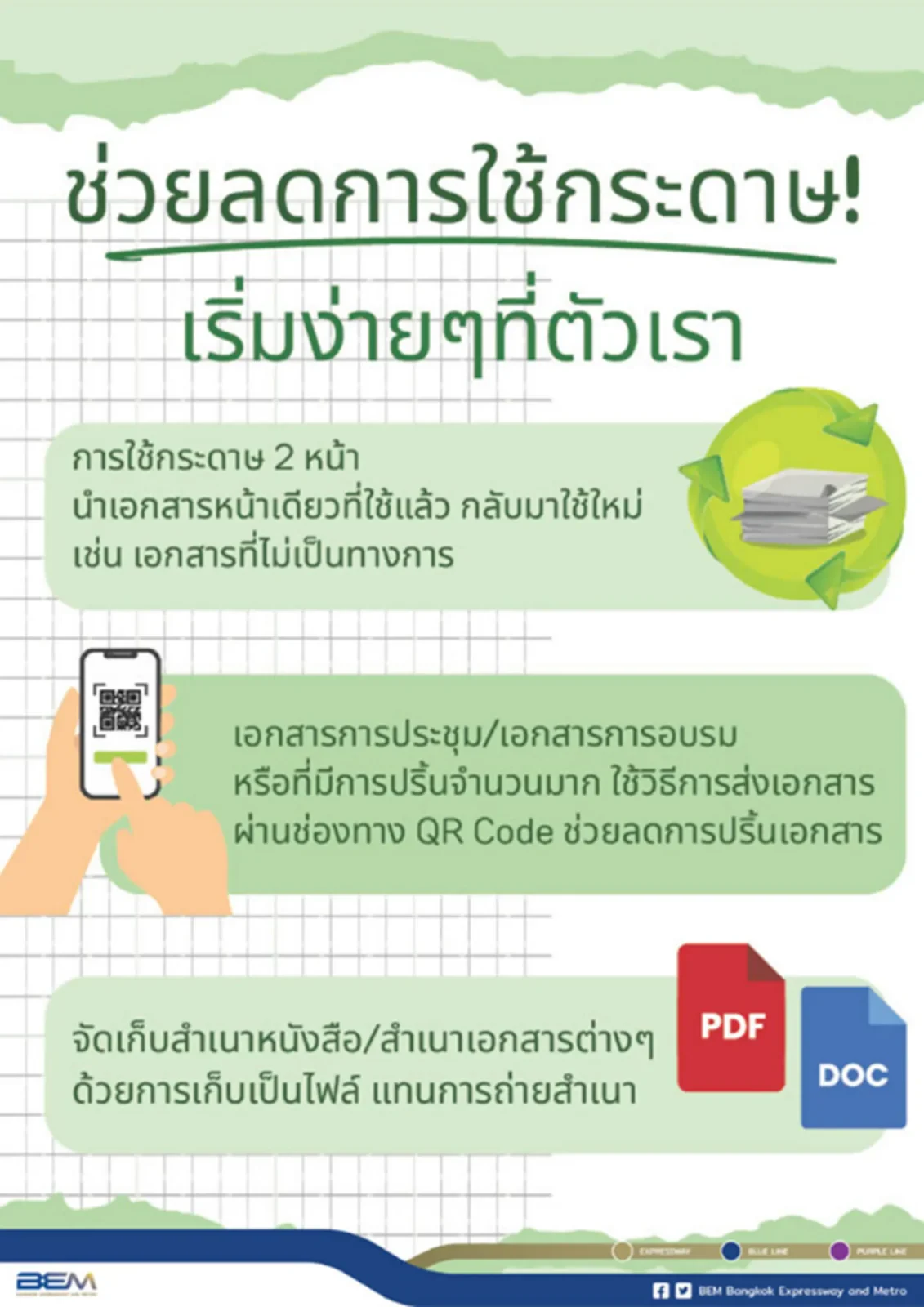
BEM prioritizes environmental communication and awareness raising, covering key aspects such as water stewardship, waste management, and the handling of general waste and hazardous waste. The Company’s primary focuses on consistently mitigating operational environmental impacts across all relevant stakeholders, including employees, contractors and suppliers. This is achieved through various channels, such as communications via the Contractor Safety Subcommittee, alongside collaboration with contractors on environmental management. Key joint initiatives include waste management, waste segregation advocacy, efficient water management, as well as the implementation of 5S and Big Cleaning Day activities with contractors operating within the Company’s premises. Additionally, the Company organizes environmental training and capability development programs to enhance understanding and promote sustainable practices.


In the previous year, BEM conducted a training program titles "Daily Management" to enhance employees’ knowledge regarding quality and environmental management, related quality and environmental regulations and risks, as well as to foster awareness and ensure strict compliance with established operating procedures and risk mitigation measures. A total of 214 employees participated in the training, which included a post-test to assess their understanding. The results showed that 100% of participants passed the specified criteria.


BEM conducted a training program subjected "Daily Management"

Participants

Water Stewardship
Although water consumption has shown an upward trend over the preceding three years due to an increasing number of customers, BEM remains strongly committed to comprehensive water stewardship. This commitment spans from the upstream sourcing of clean, safe, and sufficient water supply for business operations, to water conservation practices, and the promotion of internal water recycling to enhance efficiency. Furthermore, wastewater management is executed through treatment processes prior to final discharge into the public drainage systems to ensure zero environmental impact. Effluent quality is consistently controlled and monitored in compliance with specified standards1/ and legal regulations, aligning continuously with our set targets.
Note:1/The standard for tap water specifies that the TDS value must be less than or equal to 1,000 mg per liter.
BEM utilizes water from service providing authorities, namely the Metropolitan Waterworks Authority (MWA) and the Provincial Waterworks Authority (PWA), as well as ground water in certain areas. Based on current information, the Company does not withdraw water from water-stressed areas. In addition, the Company recirculates water for various activities, such as utilizing treated wastewater for landscape irrigation around office buildings. In 2025, total water consumption stood at 656,327 m3, with recycled and reused water volumes reaching 5,739 m3. However, water consumption in 2025 was 3,165 m3 higher than the 2023 baseline year, representing a 0.48% increase. Consequently, the Company did not meet its established target for this period.

In 2025
The total water consumption was 656,327 m3, with 5,739 m3 of treated wastewater and recycled water being reused. Water consumption in 2025 was more than 2023 (base year) by 3,165 m3 or increased 0.48%, resulting in the Company not being able to achieve the target.


Water Consumption

Recycled Water Reused
Water Consumption
| Performance Indicators | Performance2025 | Short-Term Target2025 |
|---|---|---|
| Total Water Consumption (Million cubic meters) | 0.656 | ≤0.653 |
| Expressway Business | 0.056 | ≤0.052 |
| Rail Business | 0.539 | ≤0.556 |
| Commercial Development Business | 0.061 | ≤0.045 |
| Total Water Recycled and Reused | 0.0057 | ≥0.0056 |
| Total Water Discharge to External Destinations | 0.656 | ≤0.653 |
Waste Management
BEM is firmly committed to waste management based on the 3Rs principle: comprising Reduce, Reuse and Recycle. The Company actively promotes environmental awareness and employee engagement to enhance knowledge in waste management, waste reduction, and resource optimization. Additionally, the Company focuses on reusing waste materials to minimize disposal expenditures. The Company has set a short-term target for 2025 and a medium-term target for 2030 to reduce the volume of waste generated by 8% and 28%, respectively, against the 2023 baseline (when total waste generated amounted to833 tons).
In 2025
BEM executed waste management initiatives through comprehensive environmental projects that optimize disposal processes to reduce waste generation at the source and maximize the utility of waste derived from production both production processes and corporate activities. As a result, 115,740 kilograms of waste, accounting for 9.93% of the total waste generated, was diverted for beneficial reuse. This reflects progress in line with the established waste reduction targets. Additionally, these efforts yielded 23,250 THB in disposal cost savings for general waste and generated a cumulative GHG emissions reduction of 80.83 tCO2e.

Total Waste Recycled/Reused

Waste Management Cost Reduction

GHG Emission Reduction (CO2e)
General Waste and Hazardous Waste 1/
| Performance Indicators | Performance2025 | Short-Term Target2025 |
|---|---|---|
| Total Non-Hazardous Waste Generated (tons) | 1,165.28 | ≤758 |
|
102.63 | ≤55 |
|
964.17 | ≤683 |
|
ND | ND |
| Total Non-Hazardous Waste Recycled/ Reused (tons) | 47.18 | ≥32 |
|
6.47 | ND |
|
40.70 | ND |
|
ND | ND |
| Total Non-Hazardous Waste Disposed (tons) | 1,012.24 | ≤726 |
| Total Hazardous Watse Generated (tons) | 98.48 | ≤75 |
| Total Hazardous Waste Directed to Disposal (tons) | 29.92 | ≤22 |
Remark:
ND means No Data available
1/ Compared to the base year 2023

Environmental Complaint Management
BEM provides a multi-channel environmental grievance mechanism for stakeholders to submit feedback. These channels include telephone, the corporate website, email, staff, electronic comment boxes via QR codes within MRT stations, physical comment boxes at toll buildings, social media, and other platforms. The Information Service Center serves as the central hub to consolidate and forward all received feedback to the relevant departments for root cause analysis and corrective actions.
Once corrective actions have been implemented, the Information Service Center communicates the outcomes to the complainants, ensuring transparency and keeping them informed of the Company’s progress. At the same time, the Safety and Quality Department compiles formal reports on feedback, analysis results, and corrective actions, which are presented to the Quality Management Committee and the Safety Committee for further evaluation and oversight.
In the past, BEM has received complaints regarding impacts on the local environment and the quality of life in surrounding communities. These issues primarily involve overgrowing trees and grass obstructing traffic, loose gravel on road surfaces, and operational noise pollution. The Company has thoroughly investigated the facts on-site where the complaint was received in detail. In addressing a specific grievance concerning vehicle traffic on the expressway, the Company has assigned the relevant departments to conduct precise noise level measurements in those areas and evaluate appropriate mitigation measures such as installation of noise barriers. In this regard, the Company has successfully resolved and mitigated the relevant issues, and follow-up on-site inspections confirmed that the noise levels are fully in line with standard limits.