

Energy Management and Climate Change

Goal 7:

Goal 13:
Management Guidelines and Practices
BEM operates in compliance with its Environmental and Climate Policy, which encompasses climate change management and environmental stewardship.
To support effective climate action, the Company has adopted climate change and energy management goals and strategies that cover activities throughout its value chain, promoting a systematic and integrated approach to greenhouse gas (GHG) emissions reduction. To ensure effective implementation and oversight, the Company maintains a governance framework comprising the Quality Management System Committee, the Safety Committee, and the Quality and Efficiency Management Committee, which oversee environmental and operational performance. In addition, the Energy Management Working Group drives initiatives to reduce GHG emissions and enhance resource efficiency through the responsible use of fuel, electricity, water, and paper. The Company quantifies and reports its greenhouse gas emissions through the preparation of a Corporate Carbon Footprint in accordance with the Carbon Footprint for Organization (CFO) Guideline issued by the Thailand Greenhouse Gas Management Organization (Public Organization) (TGO) and ISO 14064-1:2018.

Impact on Business and Stakeholders





The impact of climate change, such as global warming, disasters, and floods, has led to the loss of natural balance and damage to living things, homes, and infrastructure. For this reason, both public and private organizations over the world are obliged to take measures to mitigate climate change, such as issuing carbon tax or inventing greenhouse gas (GHG) emissions capture technology, which must be closely monitored by BEM. Therefore, if BEM lacks effective climate change mitigation and adaptation measures, it will face increased risks, such as high energy costs and higher costs from damage to infrastructure due to extreme weather events, which may even cause delay or disruptions to business operations. As a result, the Company may lose the confidence of communities, society, suppliers, and investors.

Commitment, Challenges and Opportunities
BEM's businesses, especially the rail business, consume a high amount of electricity for operations and customer services, resulting in indirect GHG emissions.
Therefore, the Company recognizes the importance of reducing energy consumption by enhancing the efficiency of eco-friendly tools, equipment, and technologies utilized in business operations, and promoting the use of renewable energy. This is achieved by establishing policies and reviewing relevant targets annually to serve as a guideline for driving internal management in the same direction. Additionally, the Company aims to raise employee awareness, coupled with driving necessary projects, activities, and measures to achieve the Net Zero GHG Emissions target by 2050. This supports Thailand’s Nationally Determined Contribution (NDC) GHG reduction targets, fulfills the expectations of investors and stakeholders, mitigates future climate risks, and demonstrates the Company's responsibility towards government agencies, communities and society, while concurrently encouraging customers to use low-carbon transportation services.
BEM is committed to operating in alignment with the Paris Agreement and the 26th Conference of the Parties (COP26) to the United Nations Framework Convention on Climate Change (UNFCCC), which aims to limit the global temperature increase to 1.5oC. This includes taking actions to reduce GHG emissions by aiming towards the Net Zero GHG Emissions target by 2050.
To fulfill this commitment, BEM has established a GHG emissions reduction target-setting process in accordance with the Science Based Targets initiative (SBTi). This process began with the measurement and calculation of the Company’s current GHG emissions, using 2023 as the base year, with total emissions recorded at 143,834 tCO2e. Furthermore, in 2023, the Company formulated strategic plans in collaboration with relevant departments to set GHG emission reduction targets. The Company defined its scope of operations using the operational control approach, covering all three scopes of GHG emissions, while collecting relevant primary data to assess and calculate its corporate carbon footprint.

Targets and Performance Indicators
Overall, BEM achieved a 5.59% reduction in GHG emissions, which fell short of the set target. However, Scope 1 GHG emissions were successfully reduced by 64.00%, meeting the target due to the company's initiatives to cut fuel consumption by gradually replacing internal combustion engine vehicles to electric vehicles. Meanwhile, Scope 2 GHG emissions decreased by 1.11% and Scope 3 GHG emissions dropped by 5.80%. Although these volumes represent a decline from the previous year, they fell short of the established targets because the operational plans to install solar power generation systems remain underway and have not yet been completed consequently of non- renewable energy consumption for 2025 decreased by 0.90%, which also did not meet the designated target.

Greenhouse Gas Emissions
Targets
2025 Performance

GHG Emissions Reduction
Targets
2025 Performance
Total Energy Consumption
Targets
2025 Performance

Energy Consumption Reduction
Targets
2025 Performance

Non-Renewable Energy Consumption Reduction
Targets
2025 Performance
Policy and Practices
Climate Change Management

Environmental and Climate Policy
BEM operates in accordance with its environmental and climate policy that emphasizes social and environmental responsibility alongside the continuous development of its environmental and climate change management systems. These systems align with international principles and standards such as ISO 50001, which is the international standard for energy management. This framework serves as a vital mechanism for enhancing resource efficiency, minimizing environmental impacts, and supporting sustainable operations, while encompassing activities related to the Company’s stakeholders.
Furthermore, BEM has appointed the Corporate Governance, Risk Management and Sustainable Development Committee. This committee is responsible for defining policies, directions, and work plans, as well as overseeing and reviewing the Company’s sustainability performance. The committee also reviews strategies to ensure alignment with the various corporate policies, such as the Environmental and Climate Policy, Energy Saving Policy, Corporate Social Responsibility and Sustainable Development Policy. Management is assigned to implement these policies and report performance results to the Corporate Governance, Risk Management and Sustainable Development Committee on a quarterly basis.
Climate Change Practices
BEM is committed to actively managing and reducing its GHG emissions. The Company has established short-term, medium-term, and long-term GHG reduction targets to achieve its Net Zero goal by 2050 in alignment with the Science Based Targets initiative (SBTi) guidelines, while implementing various projects to achieve these targets.
Climate Change Risk Management
Recognizing the critical importance of climate change, BEM assesses and manages climate-related risks by integrating them into the enterprise risk management (ERM) framework. This covers both physical risks and transition risks, such as Flood Risks from Climate Change and Risks from the Enforcement of Climate Change-Related Laws. Furthermore, the Company has assigned the Assistant Managing Director of Legal and Compliance Group to execute and develop the Company’s overall risk management process, including climate-related risk management. In addition, the Company requires all relevant departments to participate in identifying, assessing, mitigating, monitoring and reviewing risks on an annual basis. This ensures effective response planning to reduce or mitigate potential impacts appropriately and in a timely manner.

Company's Greenhouse Gas Emissions
In 2025, BEM completed the verification of its GHG emissions inventory covering Scope 1, Scope 2, and Scope 3 emissions. The organizational boundary for GHG accounting and reporting covered approximately 99% of the Company's operations, excluding the office areas of its subsidiaries. Verification was conducted by an independent third-party verifier, TÜV NORD (Thailand) Co., Ltd, under a Limited Assurance engagement with a materiality threshold of 5%, in accordance with the TGO Carbon Footprint for Organization (CFO) Verification Guideline, ISO 14064-3:2019, and ISO 14065:2020.
As part of the verification process, supporting operational data used in the calculation of GHG emissions, including energy consumption data, was reviewed on a sample basis by the verifier. The Corporate Carbon Footprint is registered with the Thailand Greenhouse Gas Management Organization (Public Organization) (TGO), and the corresponding BEM Corporate Carbon Footprint Certificate (2025) is available right.
BEM’s total GHG emissions amounted to 135,790.09 tCO2e, representing a decrease of 8,043.91 tCO2e, or 5.59% compared with the 2023 base year. This total comprises direct GHG emissions (Scope 1) of 2,901.15 tCO2e (a decrease of 5,157.85 tCO2e from the base year), indirect GHG emissions from purchased electricity (Scope 2) of 105,182.66 tCO2e (a decrease of 1,181.34 tCO2e from the base year), and other indirect GHG emissions (Scope 3) of 27,706.28 tCO2e (a decrease of 1,704.72 tCO2e from the base year).
Furthermore, BEM’s GHG emissions intensity for its expressway and rail businesses was 0.00023 tCO2e per trip, representing a decrease from 0.00026 tCO2e per trip in the 2023 base year. For the rail business, GHG emissions intensity was 0.000086 tCO2e per passenger-kilometer (equivalent to approximately 86 gCO2e per passenger-kilometer).
The Company does not own, operate, or manage assets held within a Real Estate Investment Trust (REIT) portfolio.
| Performance Indicators | 2025 Performance |
|---|---|
|
GHG Emission Intensity - Expressway and Rail Business (tons CO2e per trip) |
0.00023 |
|
GHG Emission Intensity - Rail Business (tons CO2e per passenger-kilometer) |
0.000086 |
| Performance Indicators | Long-term Targetby 2050 |
|---|---|
| Greenhouse Gas (GHG) emissions | Net Zero |
| Performance Indicators | Performances | ||
|---|---|---|---|
| 2023 | 2024 | 2025 | |
| Total GHG Emissions (tons CO2e) | 143,834 | 141,552.14 | 135,790.09 |
|
8,059 | 4,048.73 | 2,901.15 |
|
106,364 | 108,781.17 | 105,182.66 |
|
29,411 | 28,722.24 | 27,706.28 |
| Performance Indicators | Performances and Targets | ||
|---|---|---|---|
| 2025 Performance | Short-term Target, by 2025 | Medium-term Target, by 2030 | |
| GHG Emissions Reduction (%) | 5.59 | 8 | 28 |
|
64.00 | 8 | 28 |
|
1.11 | 8 | 28 |
|
5.80 | 8 | 28 |
Remark: Targets based on the base year (2023)
Participation in Climate Change Networks

BEM recognizes the importance of public policy initiatives on climate change aimed at promoting greenhouse gas (GHG) emissions reduction and supports the transition to a low-carbon economy. Consequently, the Company prioritizes actively participating in climate change networks and initiatives. This involves evaluating the objectives, operational frameworks, as well as the climate change policies and stances of such networks or associations to ensure alignment with the Company's own policies and practices. Currently, the Company is a member of the Thailand Carbon Neutral Network (TCNN), which operates under the supervision of the Thailand Greenhouse Gas Management Organization (Public Organization) or TGO. TCNN aims to foster collaboration among the government, private sector, and relevant sectors to drive GHG emissions reductions and support the transition toward Net Zero.
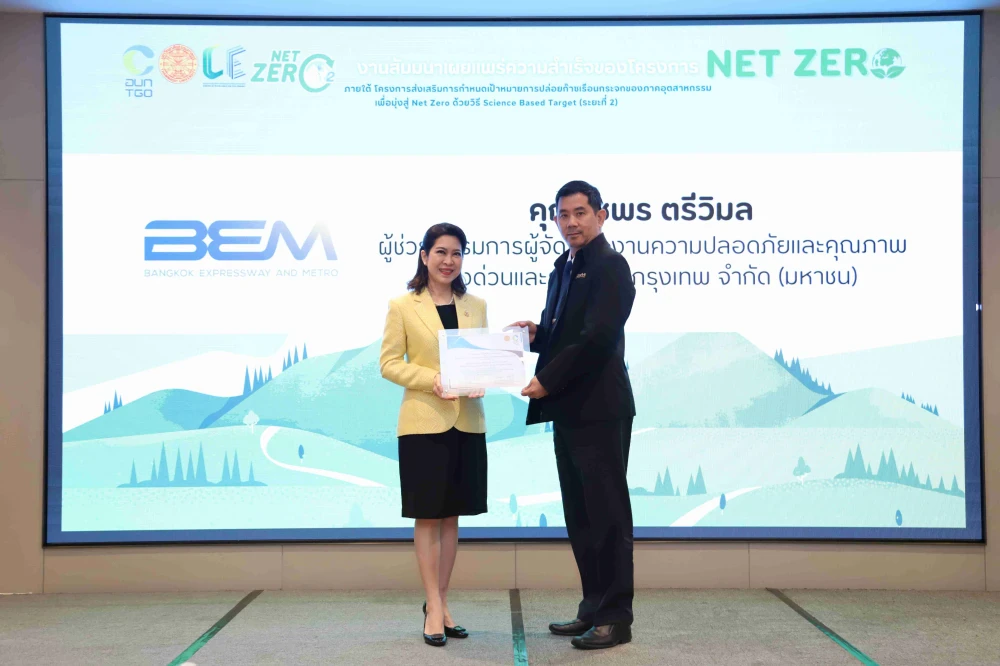
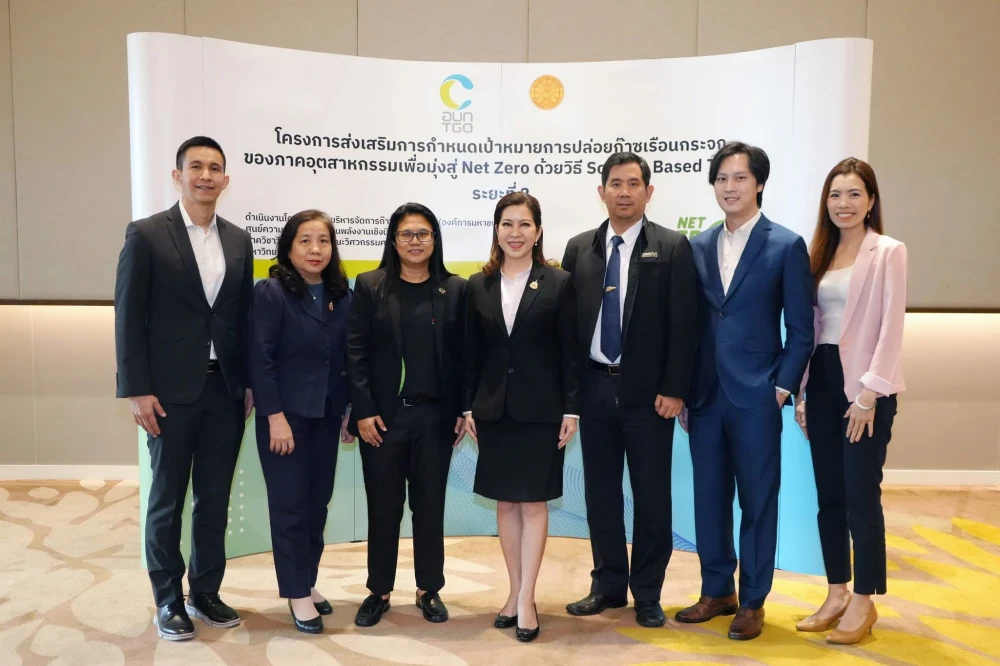
In 2025, under the TCNN cooperative framework, BEM participated in activities and initiatives aligned with the network's guidelines to enhance its corporate GHG management capabilities. This included joining the "Project on Promoting Greenhouse Gas Target Setting for the Industrial Sector toward Net Zero Using Science-Based Targets (Phase 2)," organized by TGO in collaboration with the Center of Excellence for Eco-Energy (CEEE), Faculty of Engineering, Thammasat University, to serve as a framework for developing science-based GHG reduction targets (Science Based Targets initiative: SBTi). As a result, the Company received a Certificate of Recognition as a “Net Zero Pilot Organization” from TGO, ranking as one of the 22 participating organizations in the project.
Additionally, in 2026, BEM contributed to supporting the development of Thailand’s carbon credit policies and mechanisms by participating in a public hearing for the "Feasibility Study on Establishing Reference Prices, Valuing Carbon Credits, and Expanding Thailand’s Carbon Market." This project was organized by TGO in collaboration with The Creage Co., Ltd. The Company also attended a presentation of the study’s findings. The successful outcome of this project was the creation of a credible framework for assessing the value and determining the price of carbon credits. This helps elevate Thailand's voluntary carbon market by enhancing transparency, gaining widespread acceptance, and preparing to support future climate change initiatives."
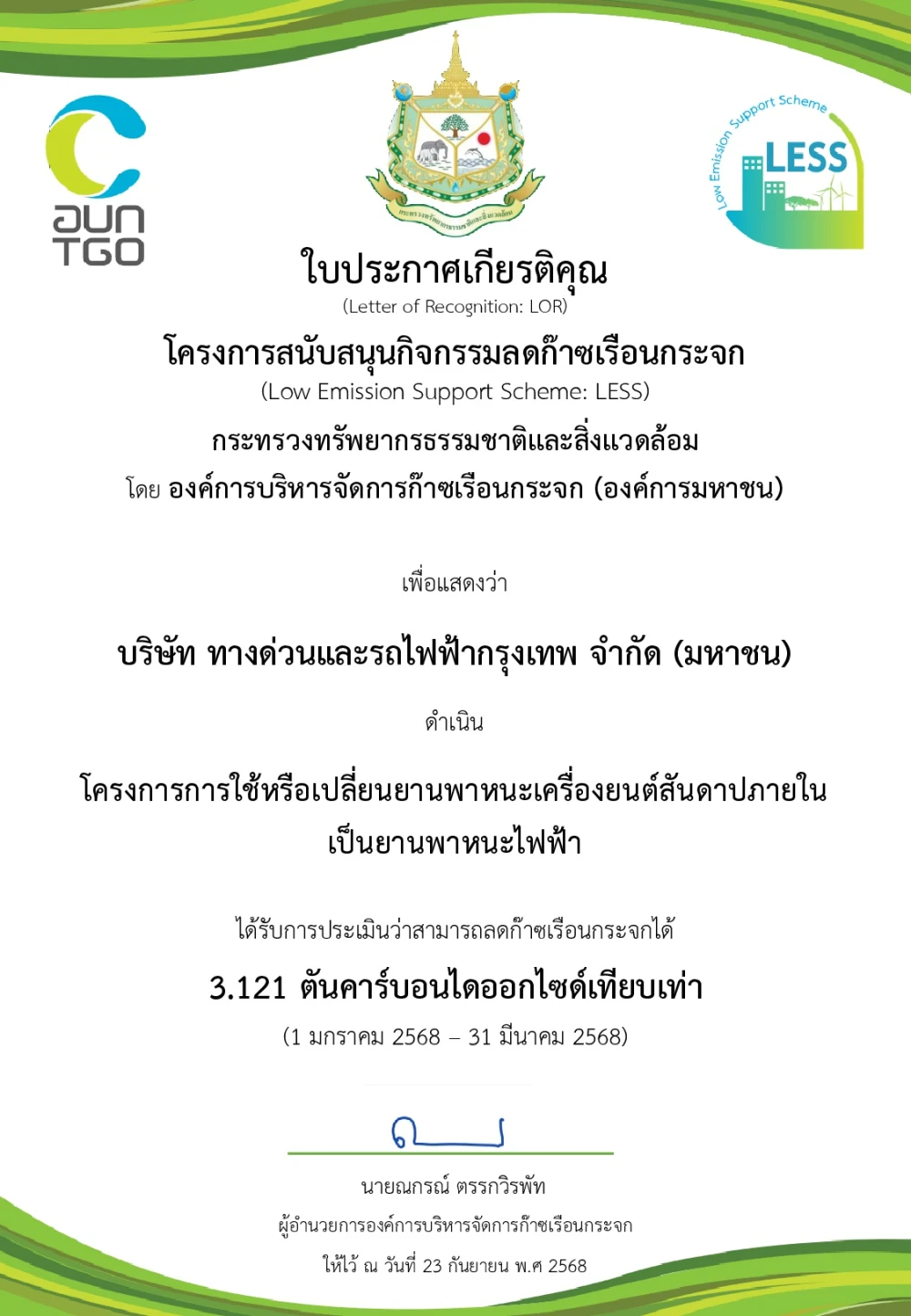
BEM received a Certificate of Recognition as a Net Zero Pilot Organization from TGO
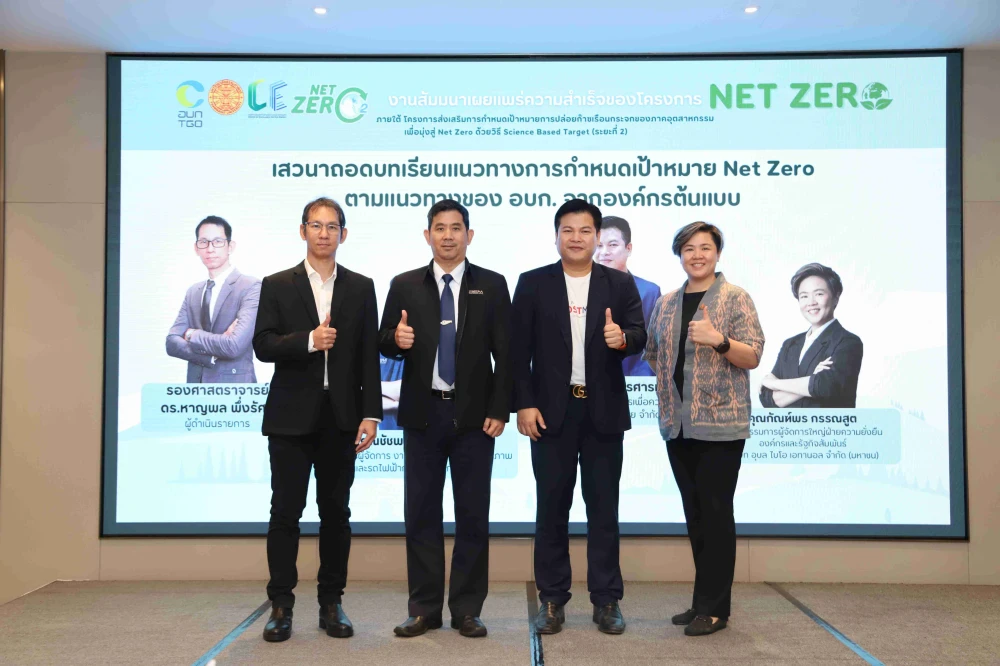
BEM joined the declaration of commitment to the “Industrial Greenhouse Gas Target Setting Promotion Project for Net Zero Pathways Using the Science Based Targets (Phase 2)


Energy Management
Energy Saving Policy
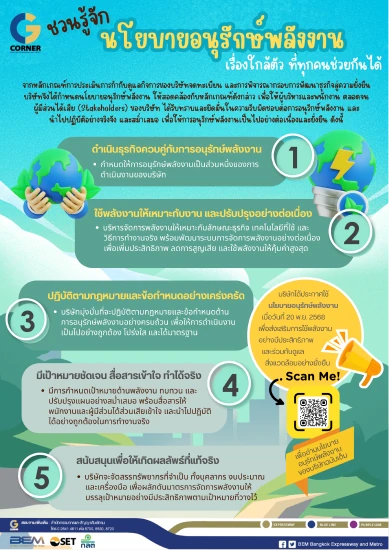
BEM operates in accordance with its Energy Saving Policy, remaining committed to its ongoing responsibility for energy conservation. The Company has therefore developed an energy management system to achieve the highest efficiency in energy consumption and to ensure alignment across all operations, to achieve continuous and sustainable energy conservation.
Energy Management Practices
BEM prioritizes systematic energy management to enhance energy efficiency, reduce environmental impact, and support sustainable business operations, covering the following operations:

Electricity Management
BEM recognizes the importance of managing electrical energy, which serves as a primary resource for its business operations. The Company is committed to reducing the consumption of electricity generated from fossil fuels by enhancing the efficiency of its operational processes, systems, and equipment. This involves adopting energy-efficient equipment for use throughout various organizational facilities, including service areas, operational zones, and office buildings, focusing on electrical, lighting, air conditioning, and ventilation systems. This is done alongside promoting energy conservation awareness and behavior changes among employees to concretely support energy conservation.

Fuel and Oil Management
BEM focuses on upgrading and replacing machinery and equipment, alongside enhancing operational processes, to effectively reduce fuel and oil consumption while upholding the highest standards of service quality and safety.
Renewable and Clean Energy Management
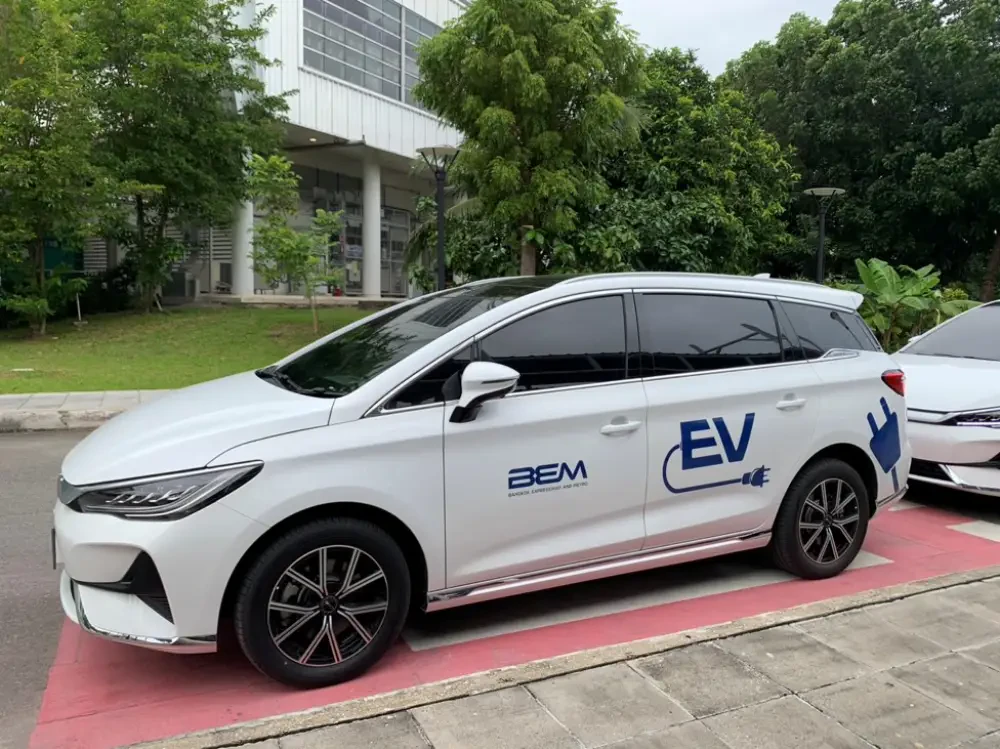
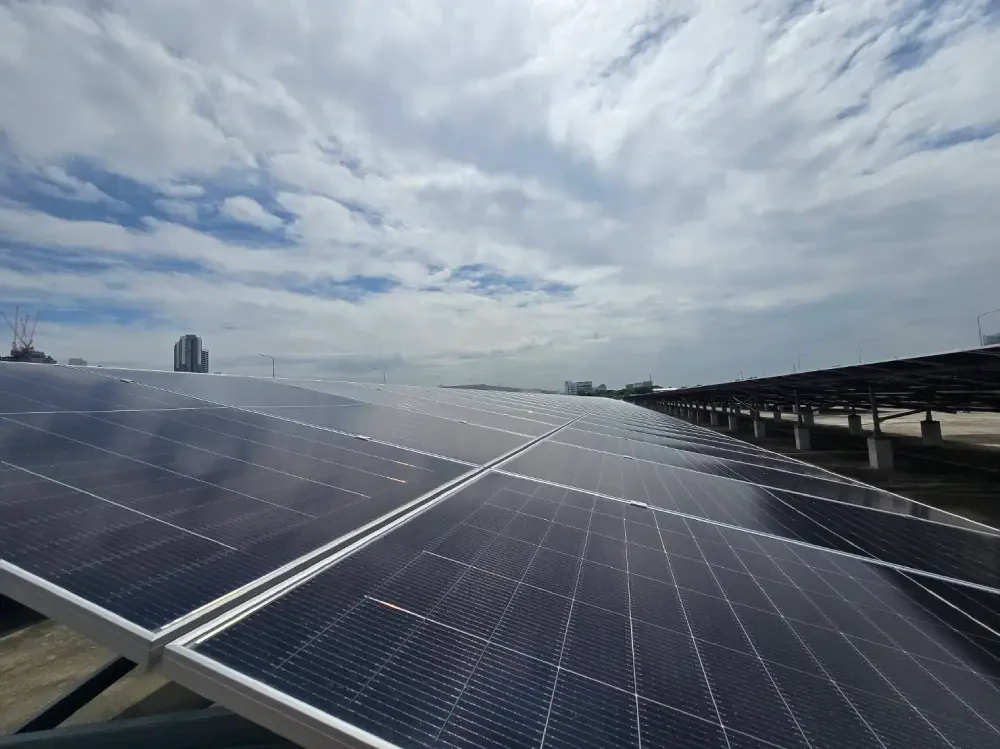
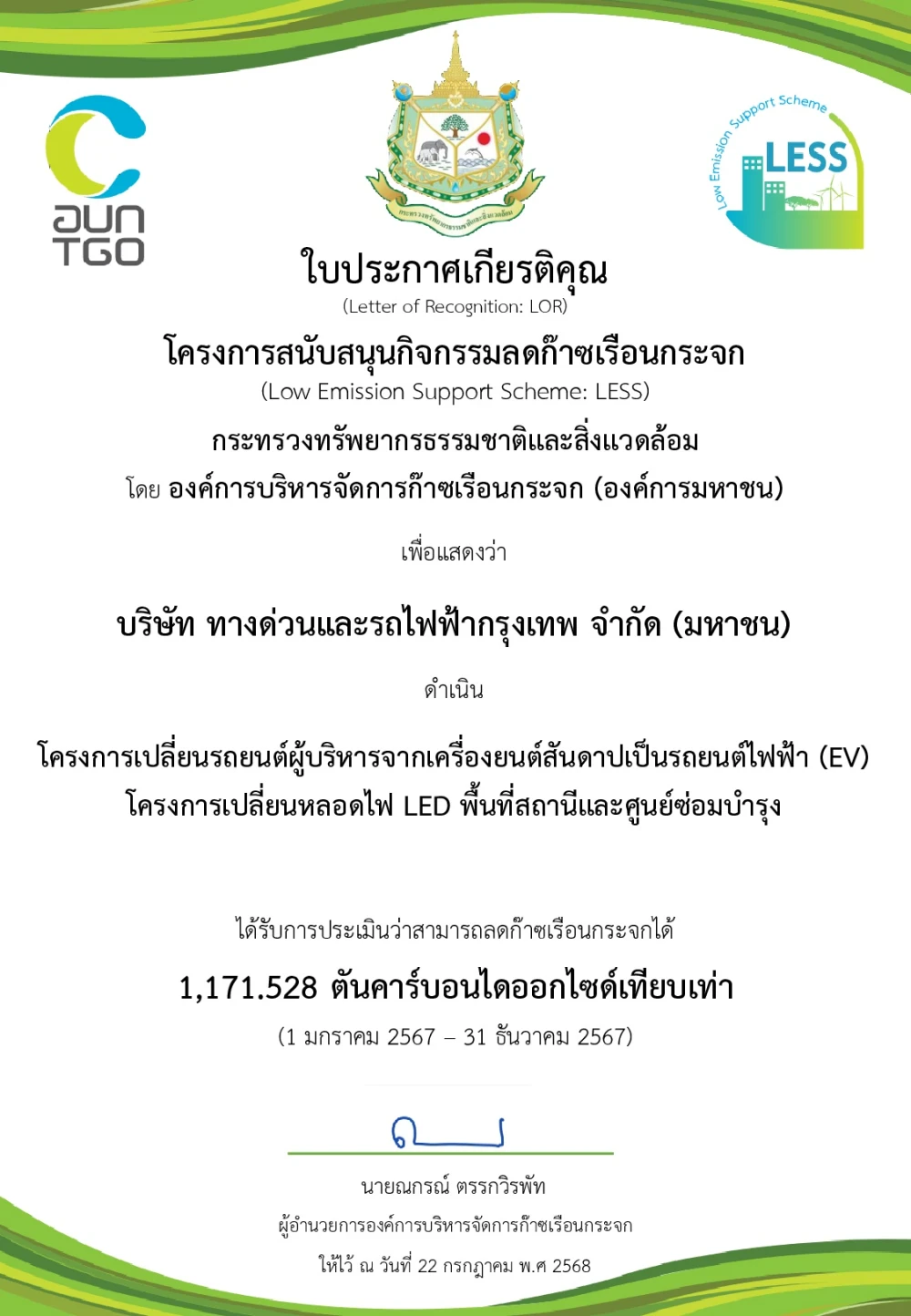
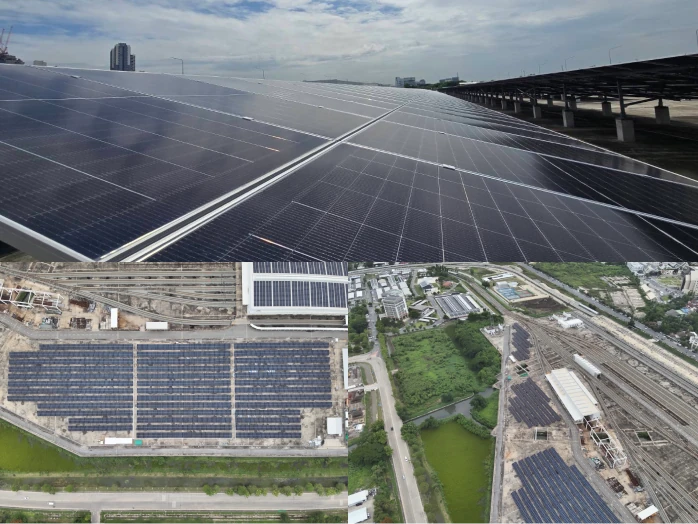
BEM promotes the use of renewable and clean energy by continuously increasing its utilization proportion by installing solar power systems to replace fossil-fuel based electricity, as well as transitioning to electric vehicles instead of internal combustion engine vehicles, in order to reduce GHG emissions from corporate operations.
Energy Management
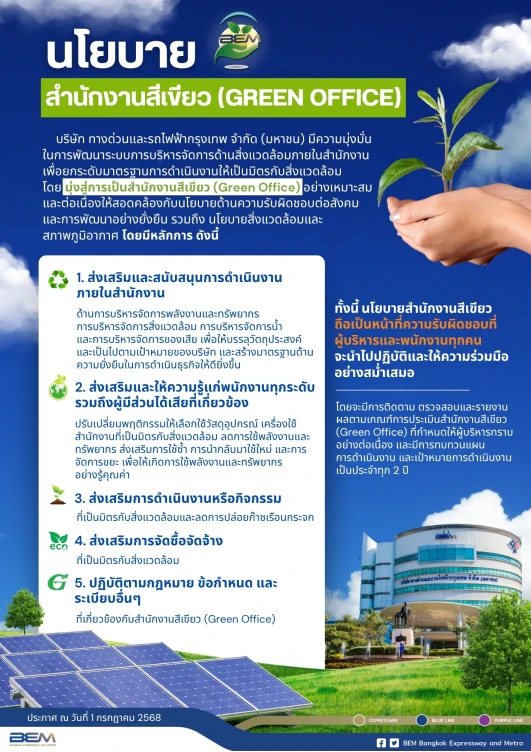
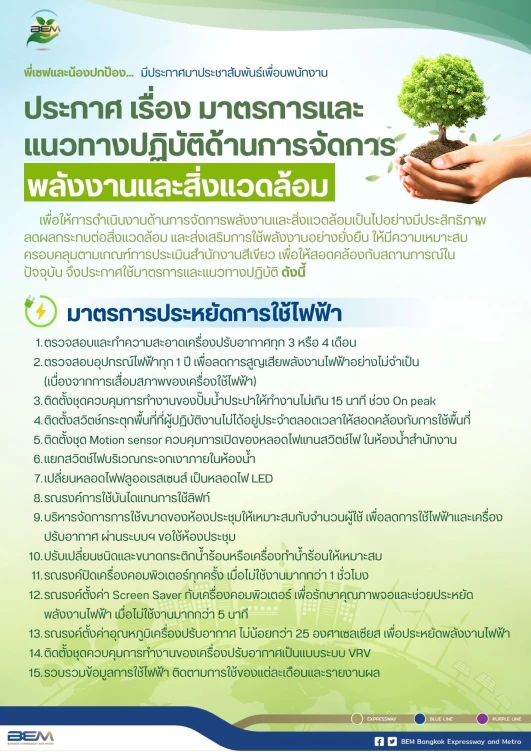
BEM’s energy consumption primarily consists of electricity and fuel, with electricity being the main source. Therefore, the Company prioritizes reducing electricity usage by continuously integrating modern and suitable technologies to support business operations. The Company also improves its systems to enhances energy efficiency for equipment on expressways, rail systems, office buildings, and other operational areas, through initiatives such as switching to LED lighting and installing solar power systems.
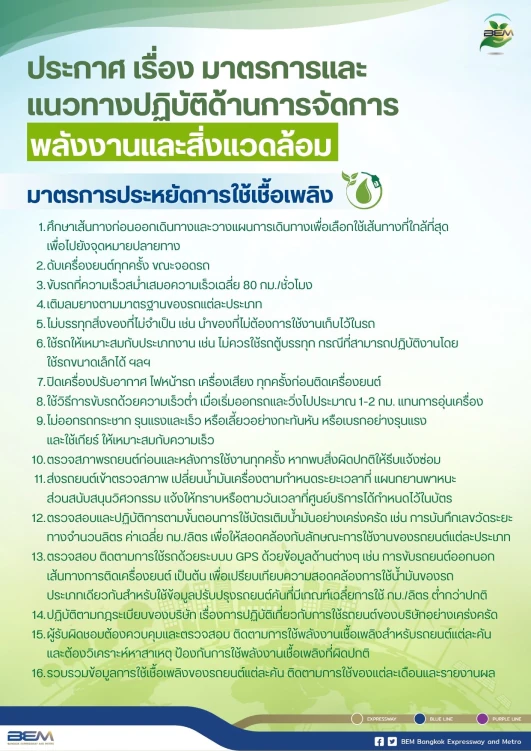
For fuel use in other business operations, BEM has implemented a fuel reduction plan that prioritizes daily vehicle inspections, selecting appropriate vehicle sizes for specific tasks, and modifying employee driving behaviors, such as limiting driving speed to no more than 80 kilometers per hour and implementing efficient travel planning.
Additionally, BEM is gradually replacing its operational fleet, including both pool vehicles and executive vehicles, transitioning from internal combustion engines to electric vehicles. This integration of environmentally friendly technology aims to reduce fuel consumption, minimize air pollution from fossil fuel combustion, enhance energy efficiency, and lower energy costs.
BEM also promotes energy conservation among employees at all levels and relevant stakeholders by raising awareness of its importance. The Company continuously communicates best practices and guidelines for energy conservation, encourages participation, tracks results, and prepares energy consumption reports to serve as data for planning, developing, and improving future energy management measures effectively.




In 2025

Total Energy Consumption

Total Non-Renewable Energy Consumption

Total Renewable Energy Consumption
BEM’s total energy consumption was 232,541.82 MWh, comprising 231,157.95 MWh from non-renewable sources, which included 224,634.52 MWh of electricity and 6,523.43 MWh of fuel, and 1,383.87 MWh of renewable energy. Total energy consumption decreased by 1,368.18 MWh compared with the 2023 base year, driven by energy management initiatives and system efficiency improvements. Consequently, energy intensity for rail services was 0.13 kWh per passenger-kilometer, achieving a reduction from both the base year and the previous year.
| Performance Indicators | Performances | ||
|---|---|---|---|
| 2023 | 2024 | 2025 | |
| Total Energy Consumption (MWh) | 233,900.76 | 239,822.20 | 232,541.82 |
|
233,263.17 | 239,168.21 | 231,157.95 |
|
637.59 | 653.99 | 1,383.87 |
| Performance Indicators | Performance2025 | Short-term Targetby 2025 | Medium-term Targetby 2030 |
|---|---|---|---|
| Energy Consumption Reduction (%) | 0.58 | 8 | 28 |
| Non-Renewable Energy Consumption Reduction (%) | 0.90 | 8 | 28 |
Additionally, BEM implemented 10 energy management projects to support limiting global temperature rise to 1.5oC, according to the Paris Agreement, with a total investment and expenditure of approximately 46.14 million THB. The Company reduced energy costs by 5.98 million THB, decreased energy consumption by 1,000,159 kWh, generated an additional 226,644 kWh of renewable energy, and reduced fuel consumption by 39,682 liters, resulting in a GHG emissions reduction of 710.87 tCO2e.
| Investment in Energy Management Projects(million THB) | Energy Cost Reduction(million THB) | Energy Consumption Reduction(kWh) | Renewable Electricity Generation(kWh) | Fuel Consumption Reduction(liters) | GHG Emissions Reduction(tons CO2e) |
|---|---|---|---|---|---|
| 46.14 | 5.98 | 1,000,159 | 226,644 | 39,682 | 710.87 |
Pollution Management
Pollution Management Practices
Recognizing the importance of preventing and reducing environmental impacts from its operational processes, BEM has established pollution management practices to control and minimize pollution emissions arising from its business activities, covering the following key issues:

Air Quality Management
BEM manages air quality impacts from its operations by designing and upgrading system infrastructures and installing appropriate equipment and advanced pollution-control technologies. These measures mitigate environmental effects on surrounding communities and society along the routes. Concurrently, regular air quality monitoring is conducted within operational areas to ensure strict compliance with relevant standards and requirements.

Noise Pollution Management
BEM prioritizes the management of operational noise, by optimizing structural designs, enhancing system infrastructures, and installing equipment to control noise levels at the source and mitigate sound propagation. Additionally, the Company continuously measures noise levels along transit routes and surrounding areas to minimize impacts on neighboring communities and society.

Pollution Management
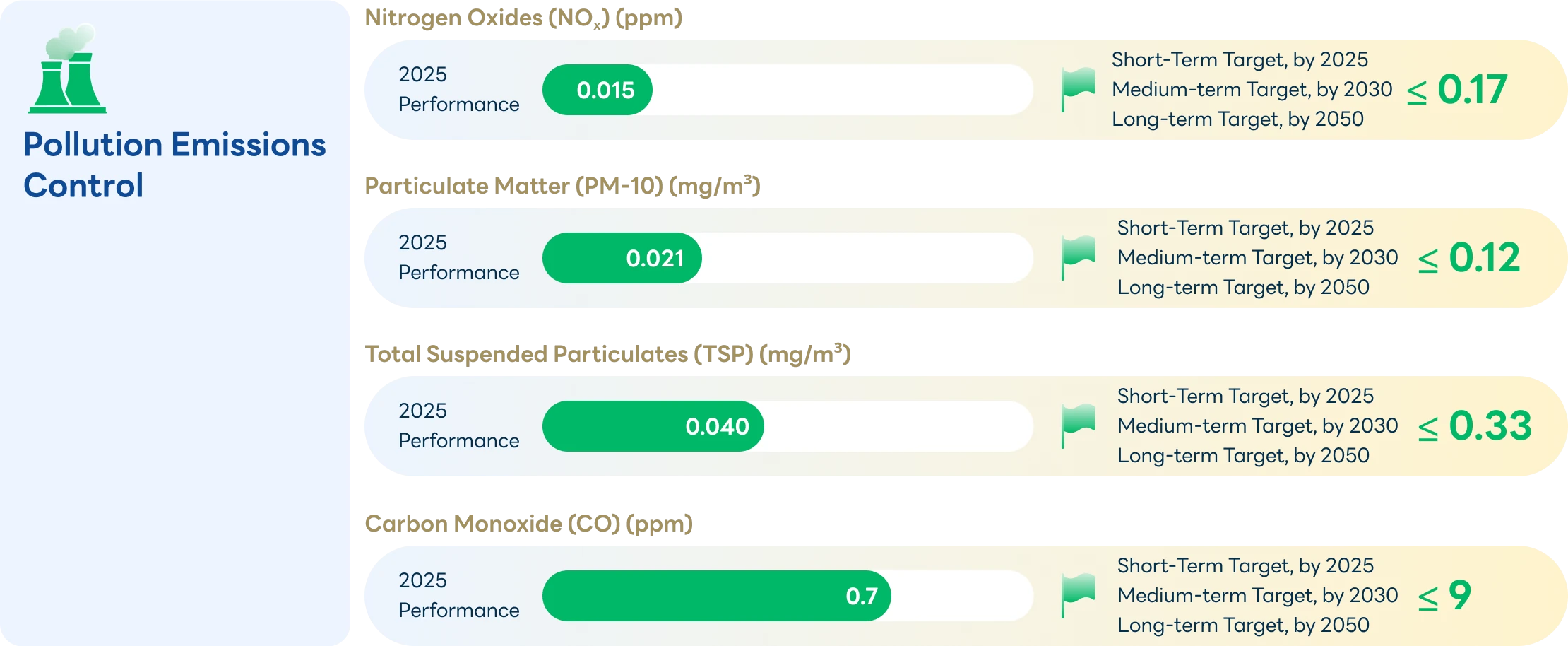
BEM prioritizes pollution management in accordance with ISO 14001 standards and Environmental Impact Assessment (EIA) reports, complying with the Environmental Impact Mitigation Measures and Monitoring Programs (EMP). These actions are guided by the Company’s Environmental and Climate Policy framework, as well as relevant legal and regulatory requirements, to prevent any adverse impacts on the environment and surrounding communities. Furthermore, the Company has established short-term (annual), medium-term (by 2030) and long-term (by 2050) targets for pollution control and reduction.
Pollution from operations is systematically controlled through comprehensive impact assessments, the implementation of preventive and mitigation measures, and regular maintenance and inspection schedules for related machinery and equipment. Continuous monitoring, performance tracking, and the selection of high-efficiency equipment and technologies are also utilized to safeguard the environment and nearby communities, supporting the development of low-emission, environmentally friendly public transport networks.
Additionally, BEM manages and controls pollution along its mass transit rail routes to ensure full alignment with applicable laws and regulations, specifically targeting particulate matter (dust) and noise levels. Although some measurement results may be affected by pollution caused by external factors, the Company remains committed to ongoing pollution control and environmental improvement. In 2025, the Company successfully controlled pollution levels, maintaining them well within established targets and regulatory standards.