

Human Rights and Fair Labor Practices

Goal 5:
Goal 10:

Goal 16:
Management Guidelines and Practices
BEM recognizes the importance of and respects the human rights of stakeholders throughout the value chain.
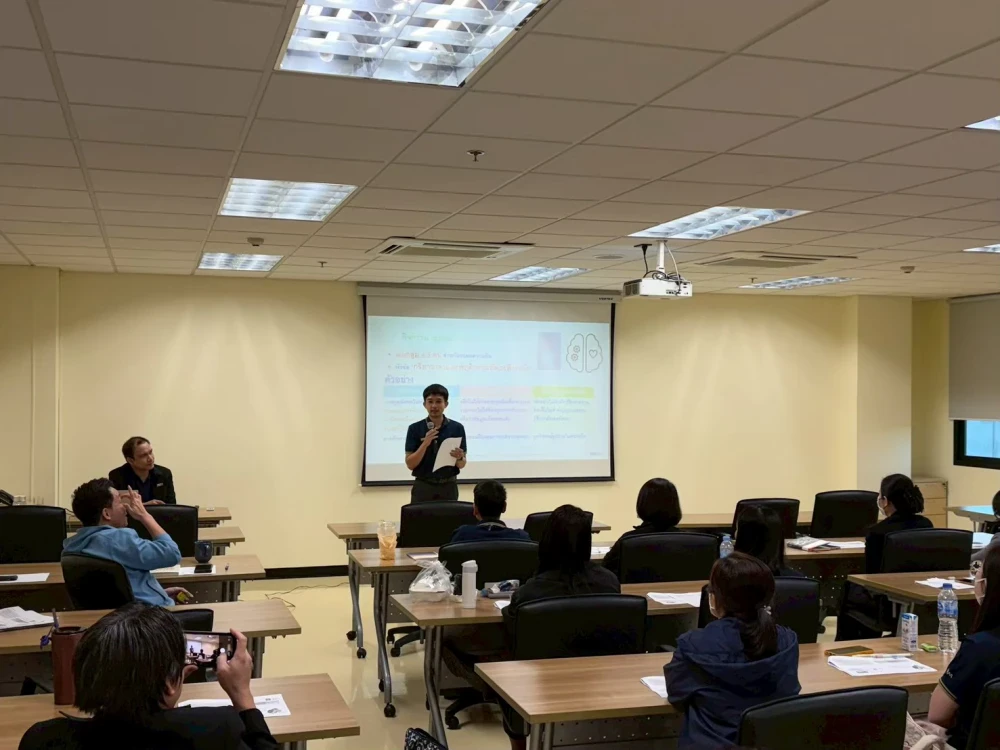
Therefore, the Human Rights Policy has been established. The Company's directors, executives, and employees, as well as contractors, suppliers, and affiliates, have a duty to comply with the laws and human rights principles without discrimination or exclusion based on race, skin color, gender, language, religion, society, assets, place of origin, political opinion, or other status. They must also be aware of their own rights, duties, and responsibilities towards society and others and oppose all forms of human trafficking, slavery, and child labor. All new employees must undergo training and acknowledge the Company's Code of Conduct, which covers human rights issues in the Orientation of New Employees. Accordingly, they must comply strictly with the Company's Code of Conduct.
Impact on Business and Stakeholders




In today's rapidly changing world, human rights issues are becoming more complex and challenging. Human rights violations from discrimination and harassment pose risks that may unintentionally involve stakeholders in every sector and affect the Company's reputation, confidence, or revenues. Therefore, the Company attaches priority to respecting human rights principles and related laws to prevent and mitigate risks from adverse events on stakeholders and vulnerable groups, such as children, pregnant women, the elderly, and persons with disabilities, in order to strengthen service provision that covers all groups of people as well as boost internal management efficiency across the value chain.

Commitment, Challenges and Opportunities
BEM is committed to being a good and sustainable member of society
by supporting and complying with the Universal Declaration of Human Rights (UDHR), the United Nations Global Compact (UNGC), and the International Labor Organization (ILO)'s Declaration on Fundamental Principles and Rights at Work. The Company strives to promote fair labor practices, be free of discrimination, and allow freedom to express thoughts and feelings. The Company also endeavors to provide a transportation system with a universal design that complies with international principles, creates satisfaction, and encourages access to services for all groups of people. In addition, the Company offers channels for communication and human rights grievances as well as appropriate measures to mitigate, correct, and remedy any impacts that have occurred.

Targets and Performance Indicators
BEM sets a target of zero human rights violations throughout the value chain. In 2025, the Company reported no cases of human rights violations across its value chain, achieving the target as set. In addition, the Company has expanded its human rights risk assessment to cover value chain operations relating to four additional stakeholder groups, namely creditors, shareholders, press, and regulatory authorities and public sector. The assessment is currently under review and is expected to be completed in 2026 for reporting to the Corporate Governance, Risk Management and Sustainable Development Committee and/or the Board of Directors.

Human rights violations throughout the value chain
Targets
2025 Performance
Policy and Practices
BEM has announced a human rights policy as a guideline for directors, executives, and employees at all levels to strictly adhere to, ensuring non-discrimination based on race, color, gender, gender, gender identity, vulnerable, disability, language, religion, social status, property, origin, political opinion, or other status. This policy aligns with international standards, including the United Nations Universal Declaration of Human Rights (UDHR), the United Nations Global Compact (UNGC), the United Nations Guiding Principles on Business and Human Rights (UNGP), the International Labour Organization Declaration on Fundamental Principles and Rights at Work (ILO Declaration), and the European Union General Data Protection Regulation (GDPR), and is applied throughout the entire business value chain.
BEM has assigned the Corporate Governance, Risk Management and Sustainable Development Committee to oversee, formulate policies and directions, and review human rights performance at least annually. In addition, the Human Resources and Organization Development Group is responsible for conducting human rights risk assessments in collaboration with relevant functions. This includes providing grievance channels, as well as monitoring, mitigating, correcting and remediating any potential impacts to ensure continuous compliance with the Company’s human rights policy and practices.
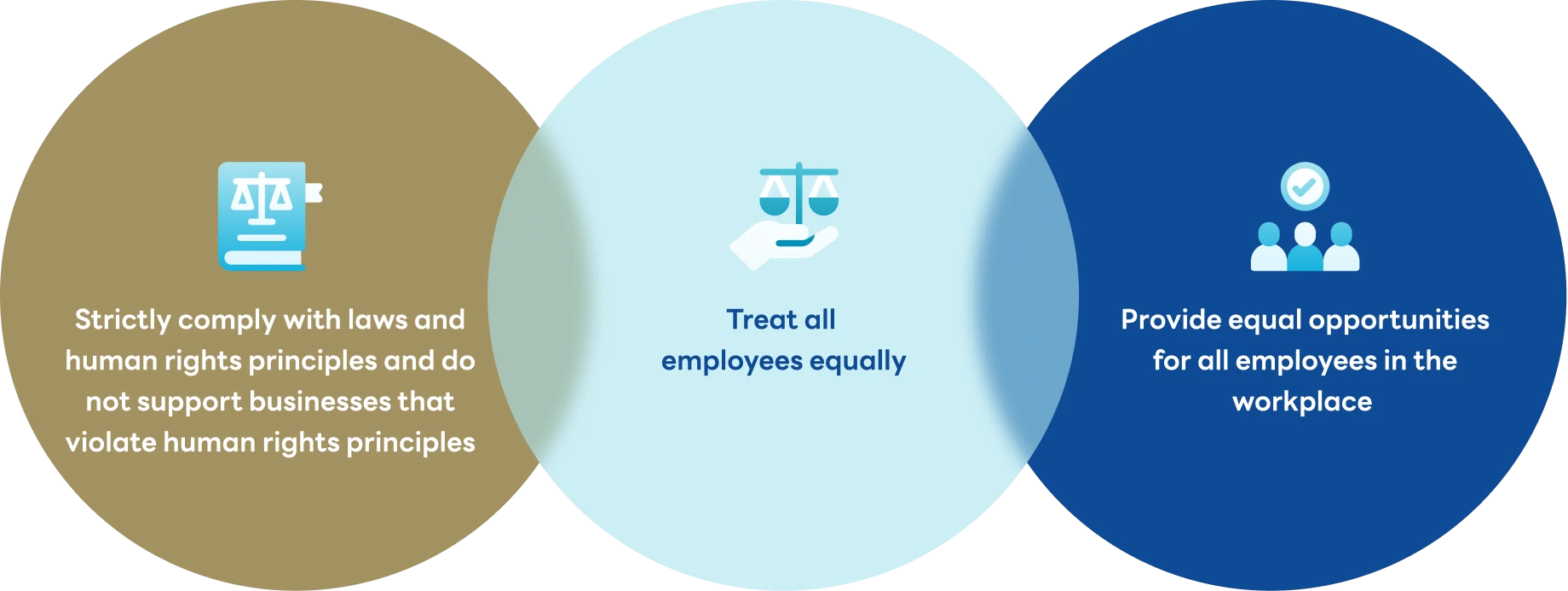
Human Rights Due Diligence (HRDD) Process
BEM has implemented a comprehensive Human Rights Due Diligence (HRDD) process, providing effective communication channels and mechanisms for human rights complaint, along with appropriate measures for mitigation, correction, and remediation measures to address any impacts.
Human Rights Risk Assessment
BEM has established criteria for analyzing and prioritizing stakeholders based on their level of interest in engaging with the Company and the impact of the Company’s operations on stakeholders. The four most important stakeholder groups identified are

BEM has assessed human rights risks related to its operations and considered the implementation of control measures and mitigation actions for existing or potential impacts. In addition, the Company has developed measures to reduce the likelihood or severity of impacts from these human rights risk issues across the entire business value chain.
In this regard, BEM has identified five salient human rights issues out of a total of 35 assessed issues1/, namely: Issue 11: Right to Privacy; Issue 19: Right to Freedom of Opinion, Information and Expression; Issue 21: Right to Freedom of Association; Issue 24: Right to Work; and Issue 28: Right to Health.
Thereafter, BEM categorized risks based on severity of impact and likelihood of occurrence into five levels: Very High, High, Medium, Low, and Very Low. In addition, the Company uses a risk map to classify risks into four levels: Very High, High, Medium, and Low.
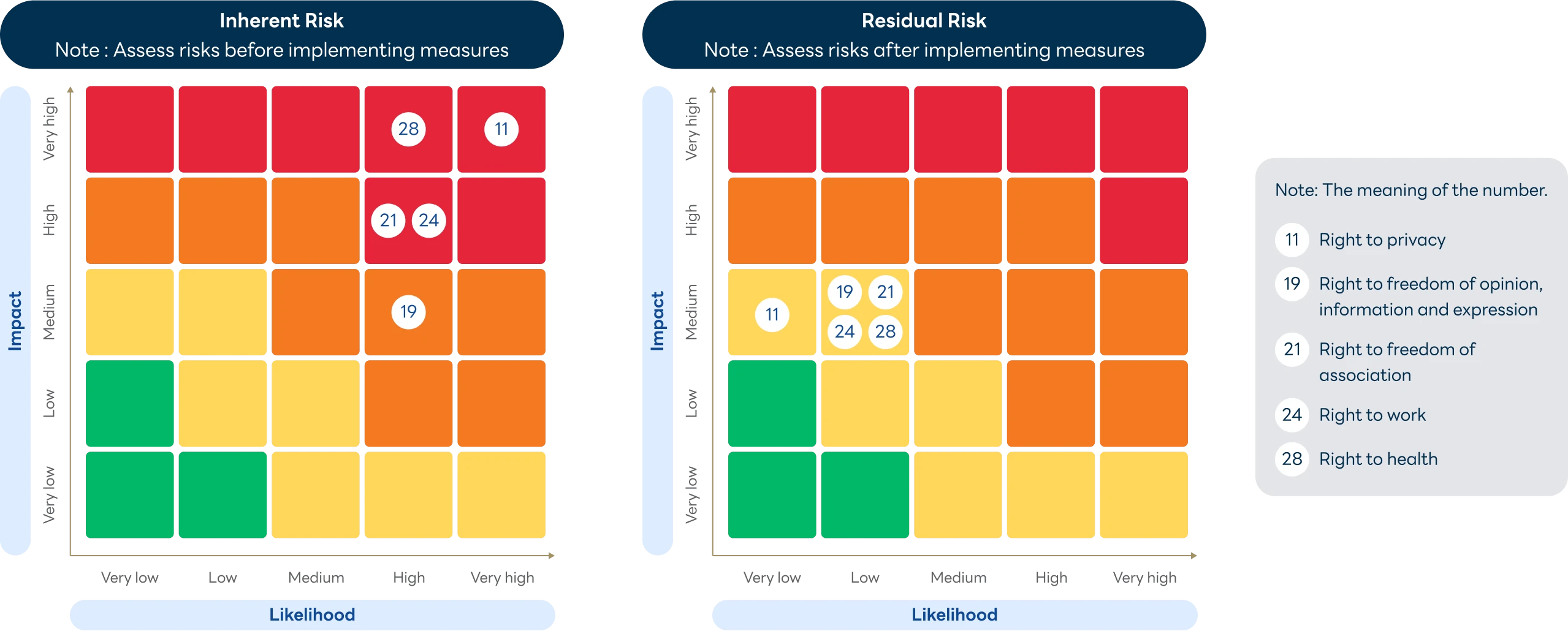
Note: 1/ Universal Declaration of Human Rights and International Covenant on Civil and Political Rights.
Detailed Information about Human Rights Due Diligence (HRDD) is available on https://sustainability.bemplc.co.th/en/document/viewer/218/human-rights-due-diligence-hrdd


Equality and Respect for Human Rights within the Company
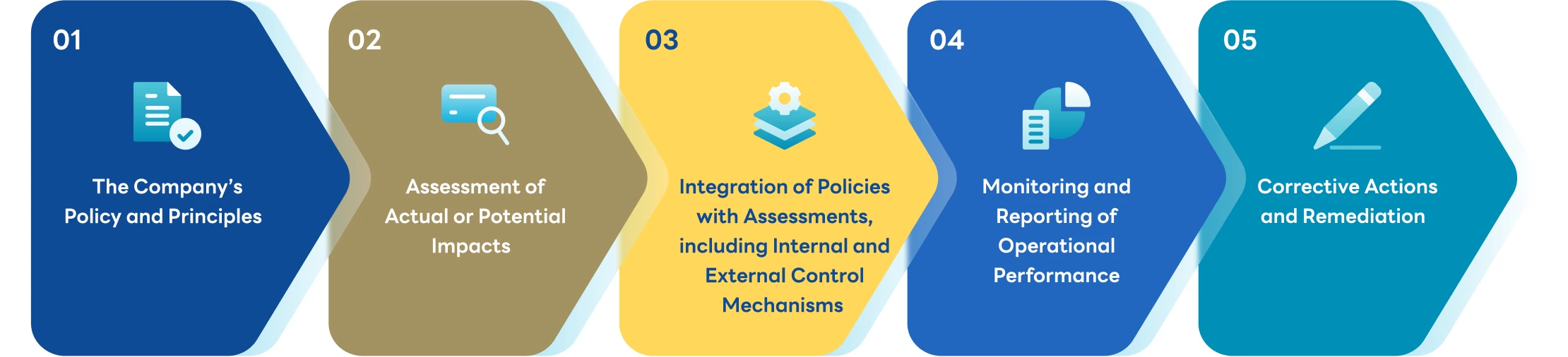
BEM places great importance on maintaining and promoting diversity among employees and systematic management of labour issues by strictly complying with labour laws and human rights principles. The Company does not support any business that violates human rights principles in any form. Such practices are outlined in the Company’s Code of Conduct under the section “Responsibility to Management and Employees”, covering fair employment, prohibition of child labour and forced labour, equal treatment, and non-discrimination in all aspects, including race, religion, origin, gender, age, class, education, political opinion, as well as ensuring that persons with disabilities or the elderly are not excluded. This diversity promotes the exchange of ideas, cultures, perspectives and experiences, contributing to Knowledge Management (KM) that benefits the Company.
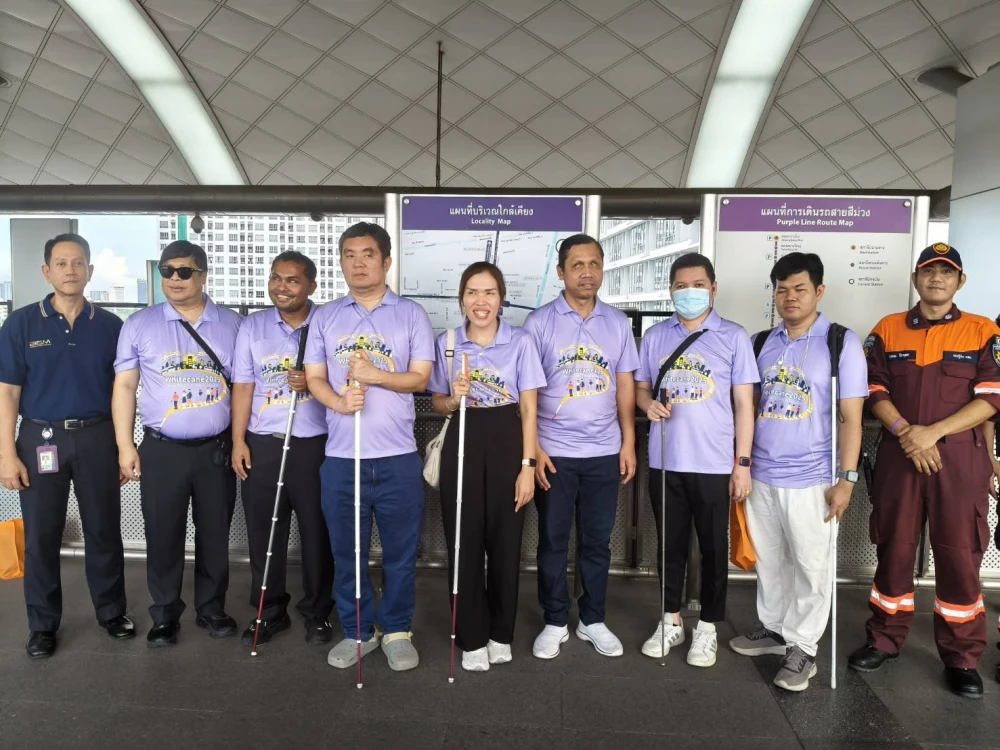
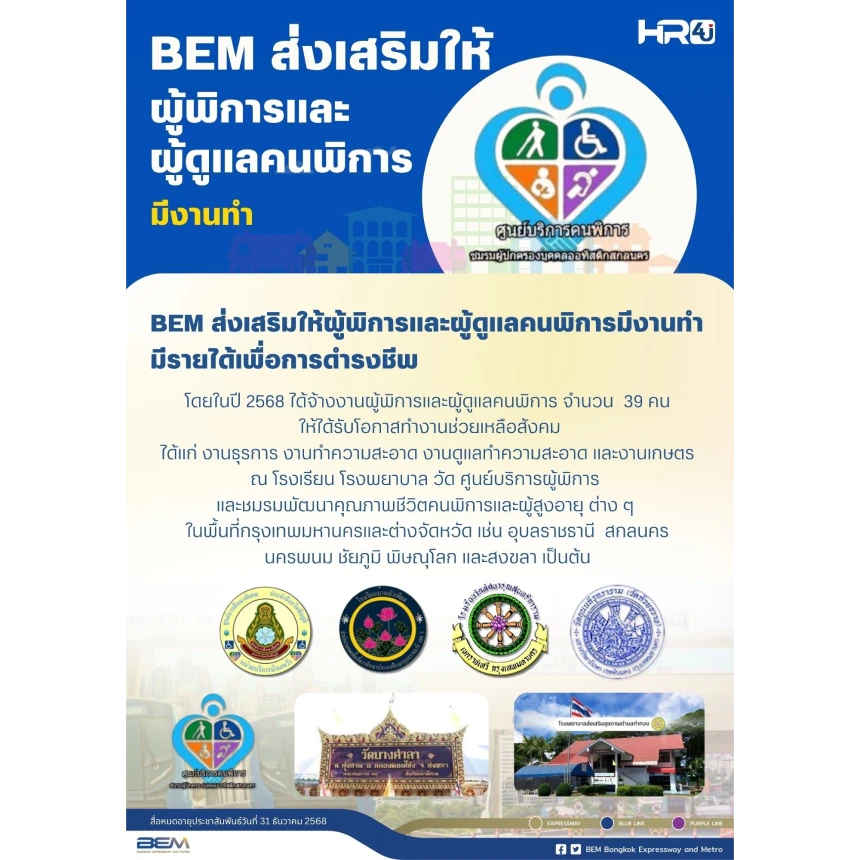
BEM recognizes the importance of healthcare and quality of life enhancement for people with disabilities. The Company aims to uplift the well-being of people with disabilities by promoting opportunities for them to demonstrate their potential and capabilities, generate income, and achieve self-reliance, in accordance with the Persons with Disabilities Empowerment Act, B.E. 2550 (2007).

In 2025


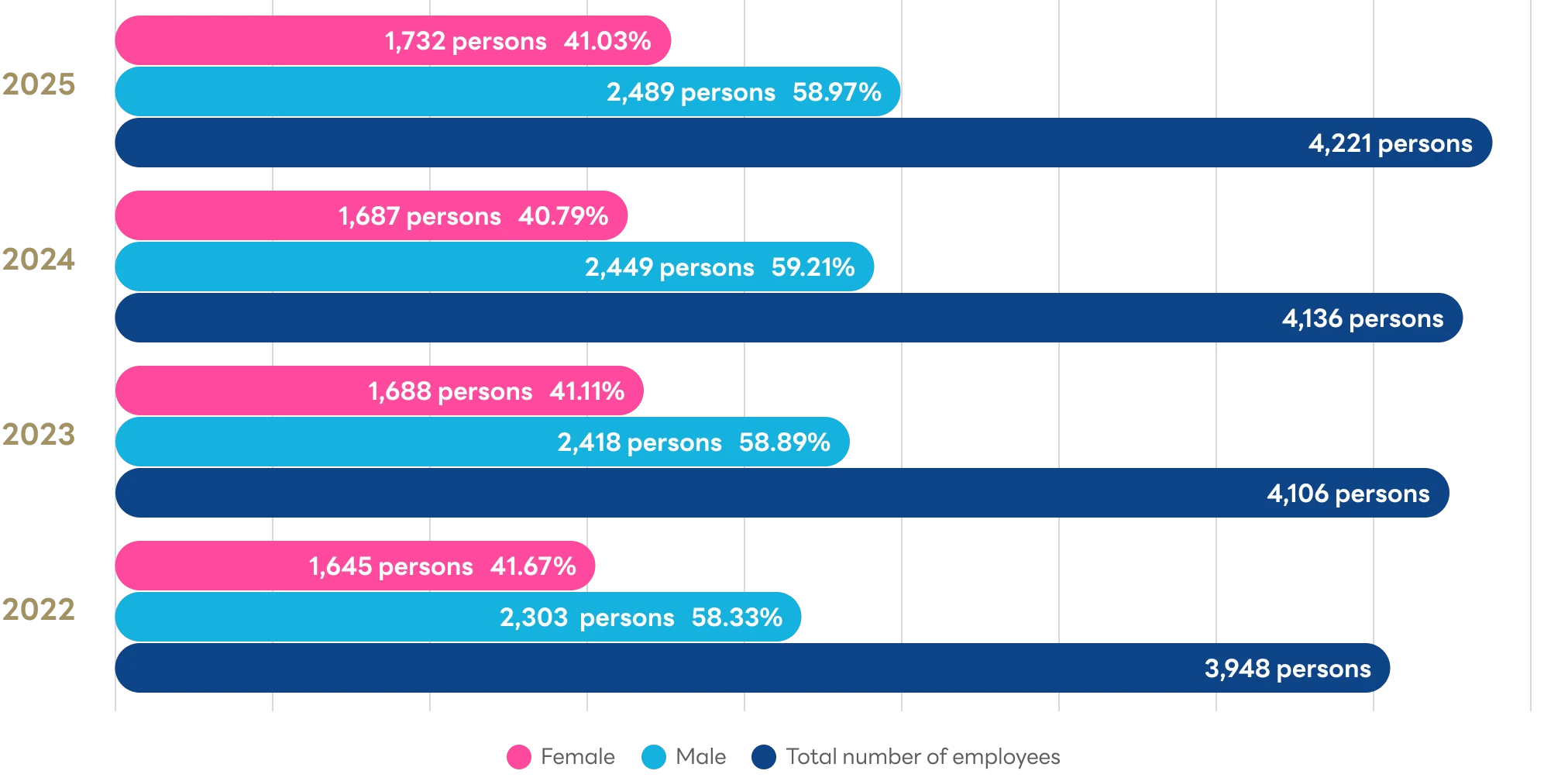
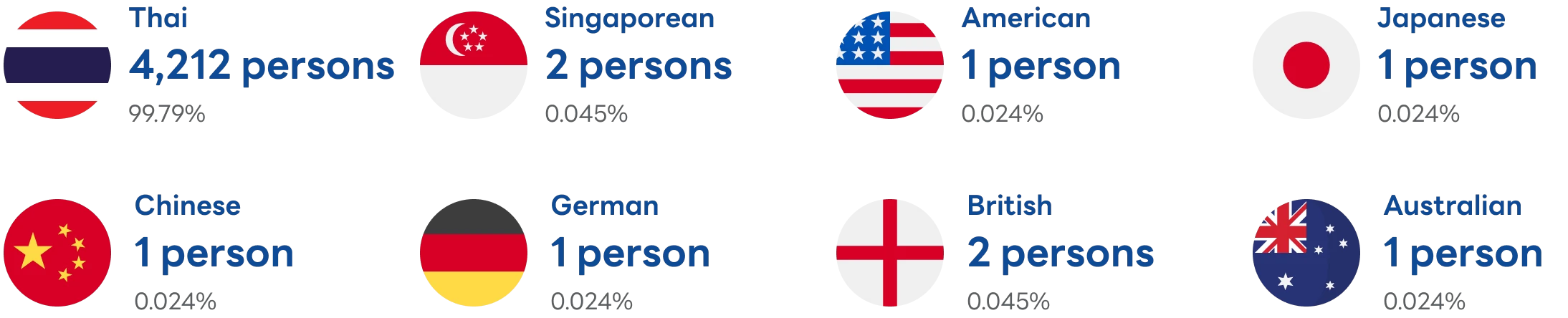
The Company employed a total of

In addition, BEM also recognizes the importance of social diversity and actively supports Diversity & Inclusion (D&I), believing that diversity fosters creativity and drives innovation, as well as a variety of perspectives that contribute to more comprehensive development and problem-solving. Therefore, the Company promotes equal treatment of employees at all levels, providing equal work opportunities, compliance with labour law standards for working hours, fair compensation and benefits, and the right to form groups and establish clubs.
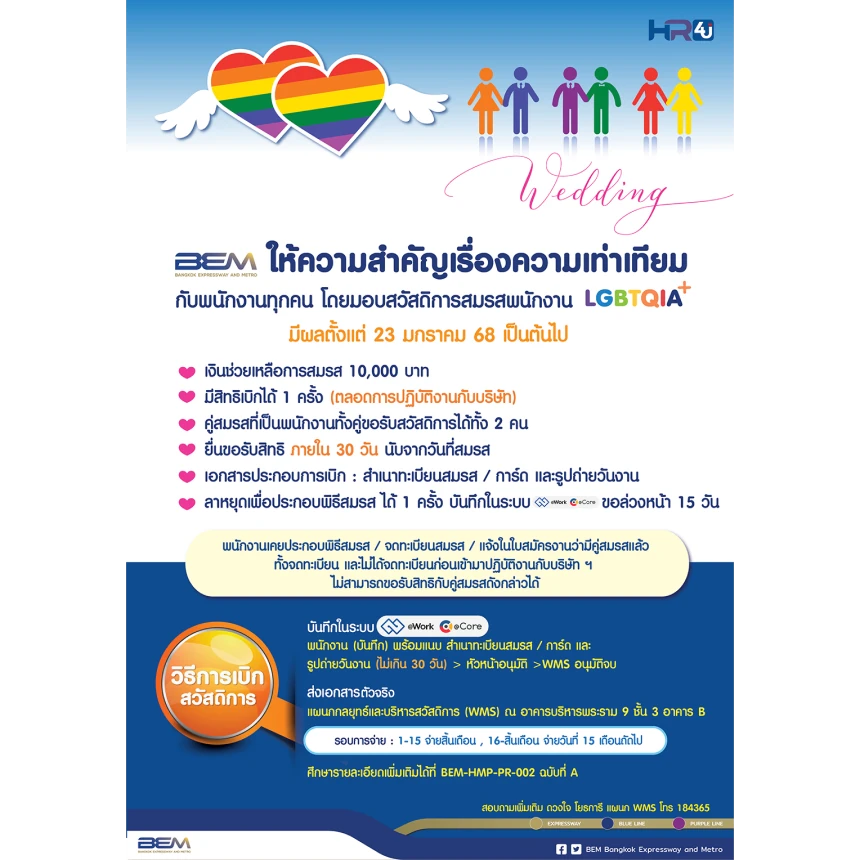
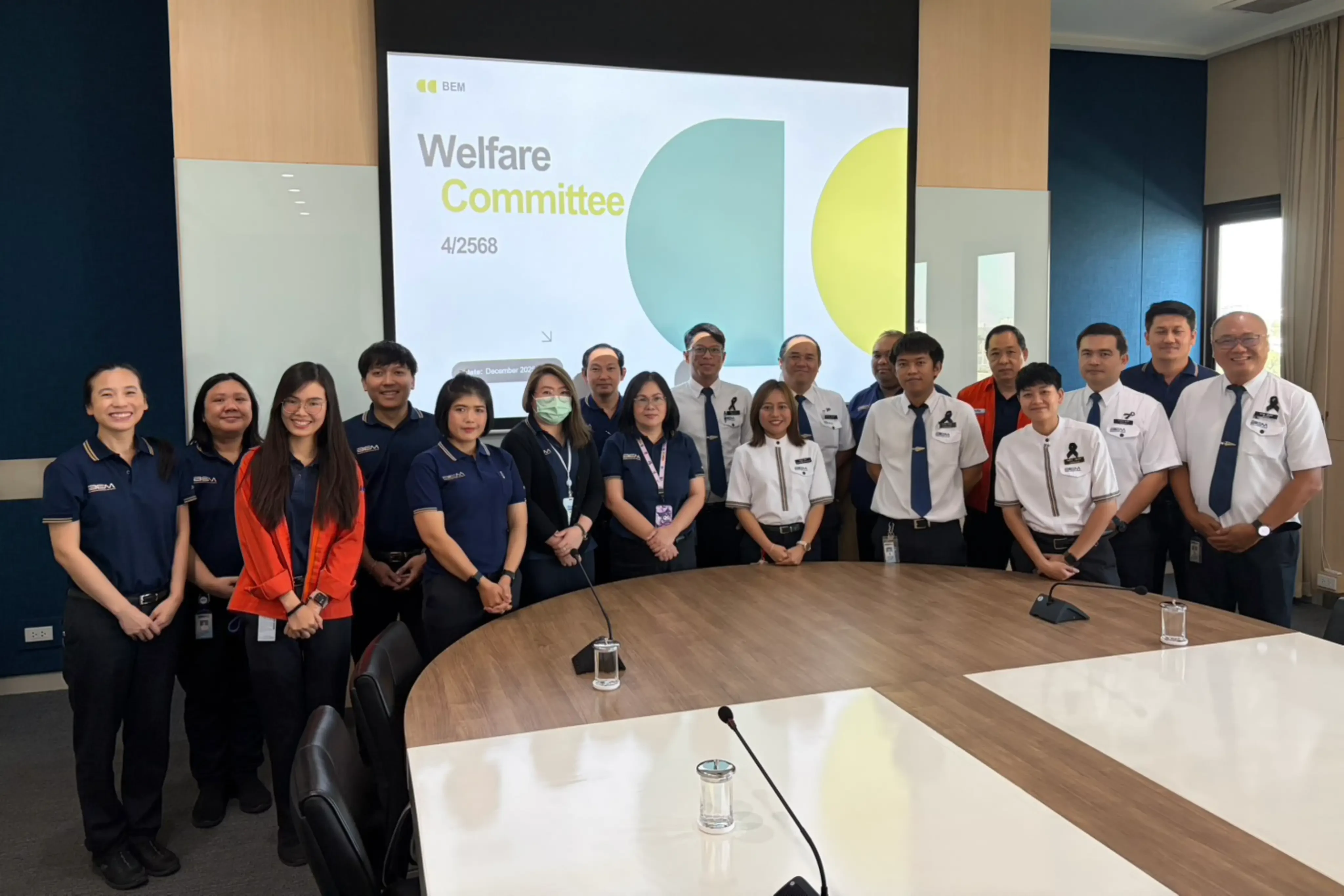
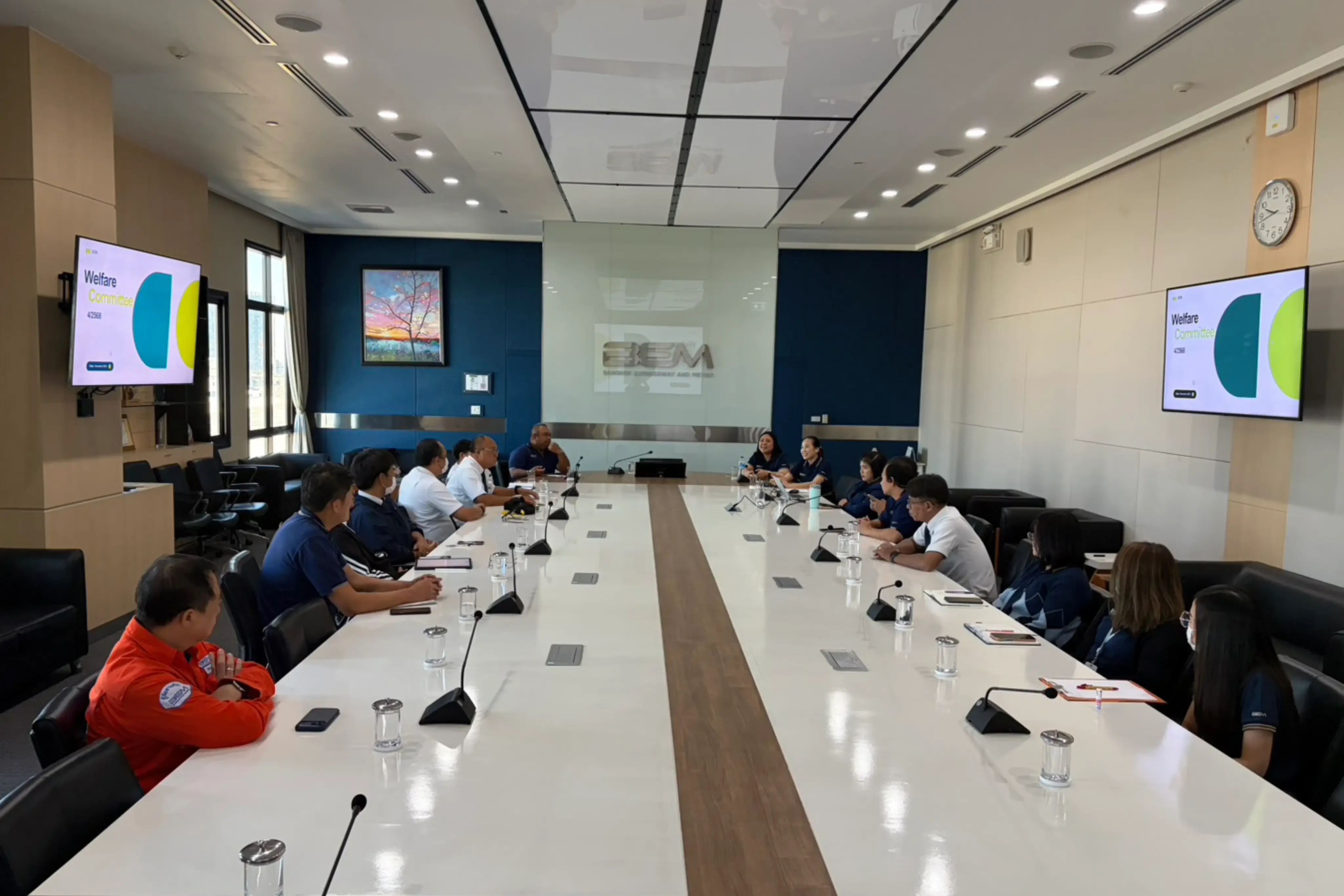
Furthermore, BEM prioritizes employees’ quality of life by providing additional welfare and facilities, such as marriage benefits for employees of all genders, including LGBTQIA+ employees, employee accommodation in all areas, employee uniforms, exercise facilities, medicines and medical supplies. In this regard, the Company has established a Welfare Committee, elected by the employees, to serve as their representative in listening to and gathering suggestions regarding welfare and working conditions, and ensuring these recommendations are systematically presented to the management.
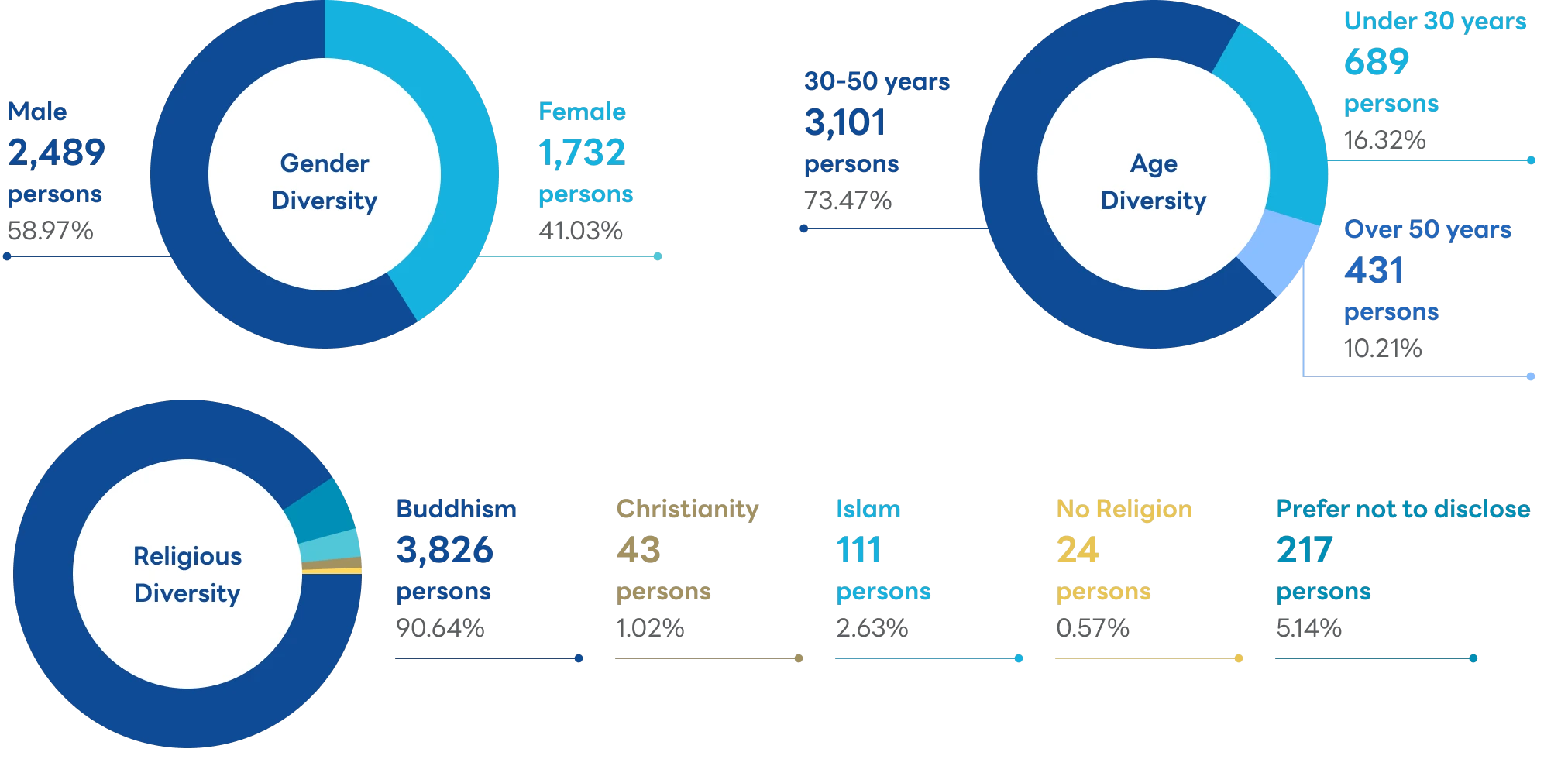
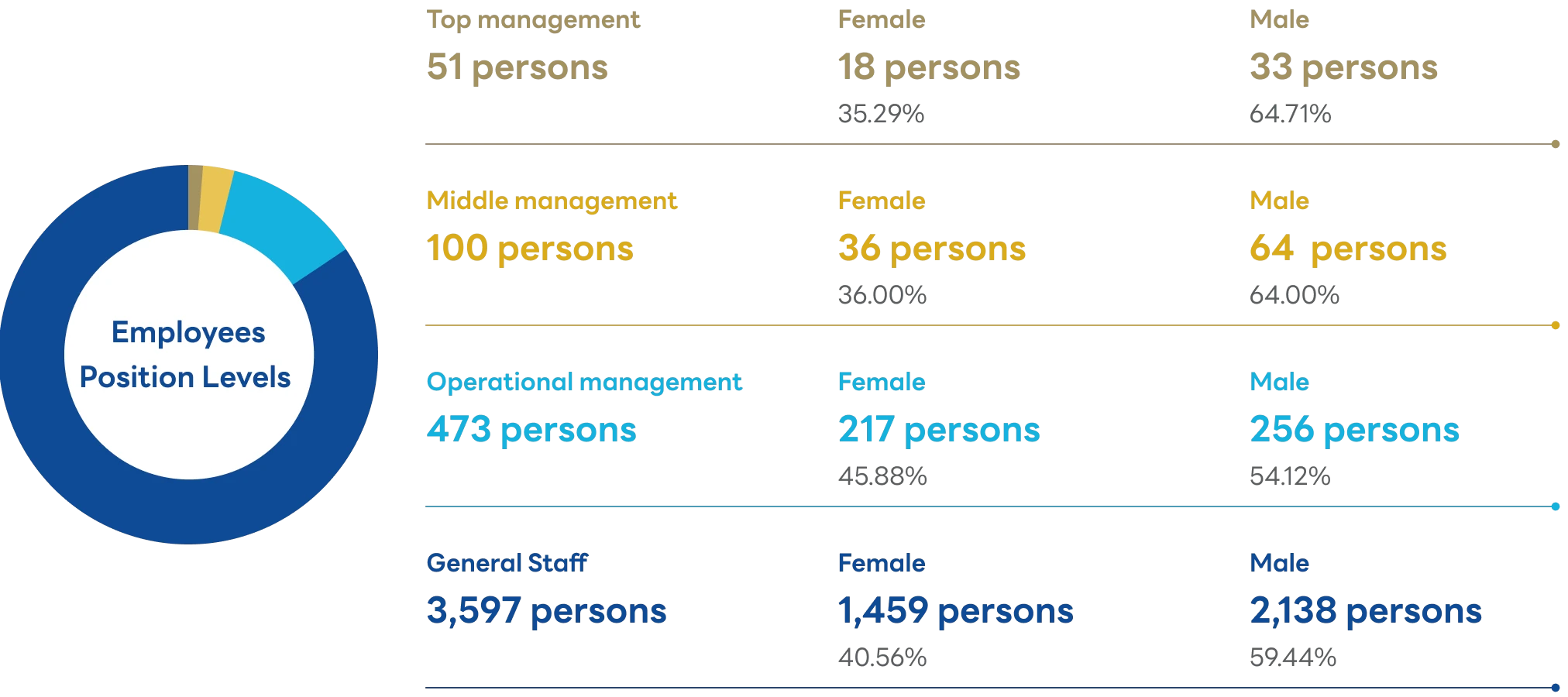
Workforce Diversity

Welfare Committee
The Welfare and Human Rights Promotion Committee plays a crucial role in fostering a friendly and fair working environment by proposing and co-evaluating employee welfare arrangements, promoting human rights, preventing human rights violations, receiving and considering feedback related to employee welfare and rights in various areas, and cultivating a positive corporate culture. The Committee consists of employee representatives elected by employees at the workplace and collaborates jointly with employers and employees on welfare and quality of life initiatives. In this regard, the Company holds joint consultative meetings with the Welfare Committee at least every three months. Minutes of these meeting are recorded to integrate recommendations into corporate policies and operations such as medical treatment discounts, pre-retirement preparation training for employees, maternity uniforms for pregnant female colleagues, and marriage welfare benefits for LGBTQIA+ employees.
Equitable in Access to Services
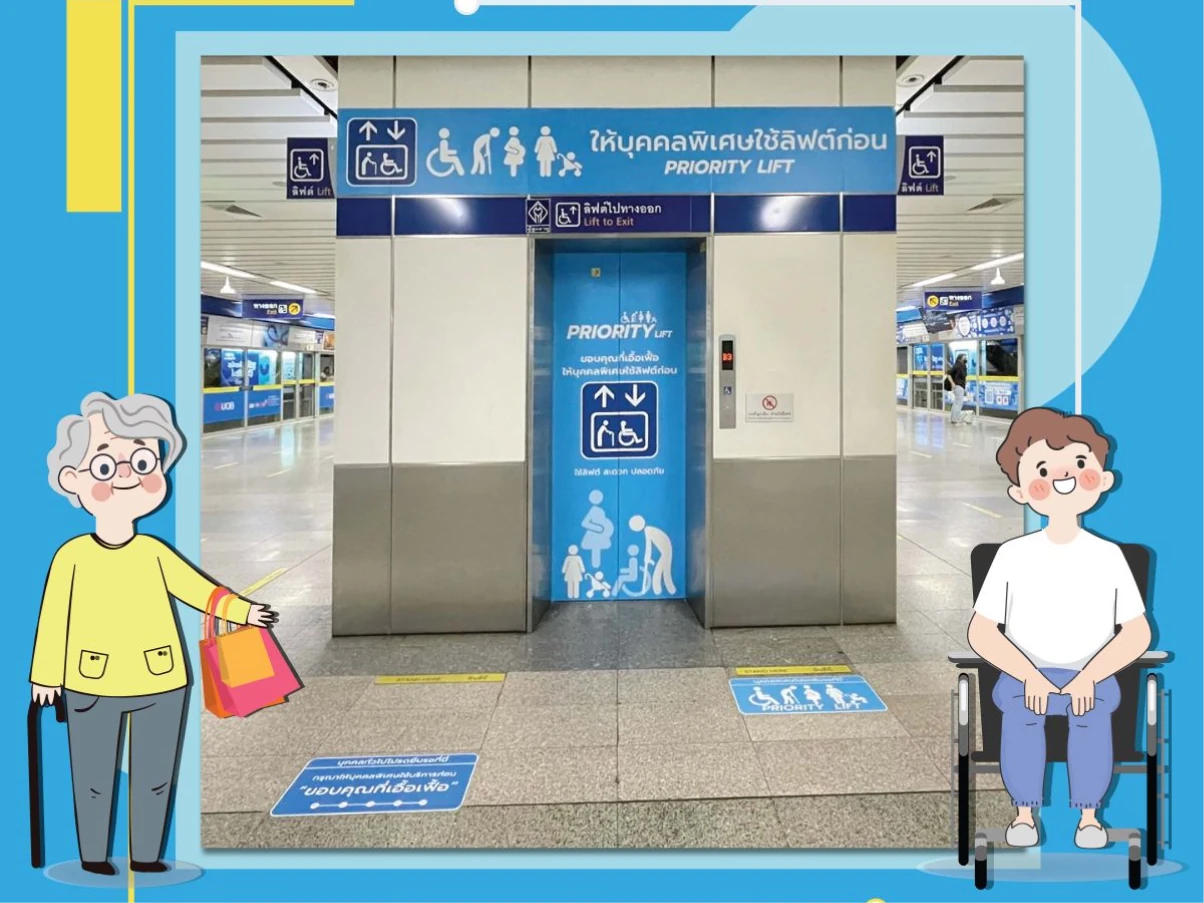
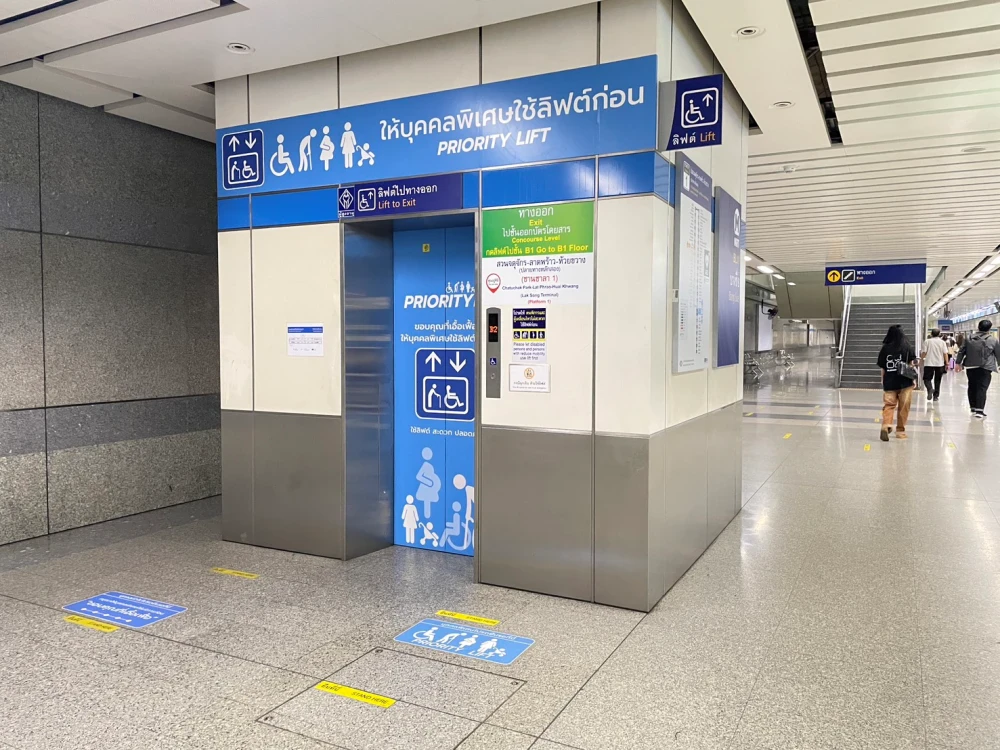
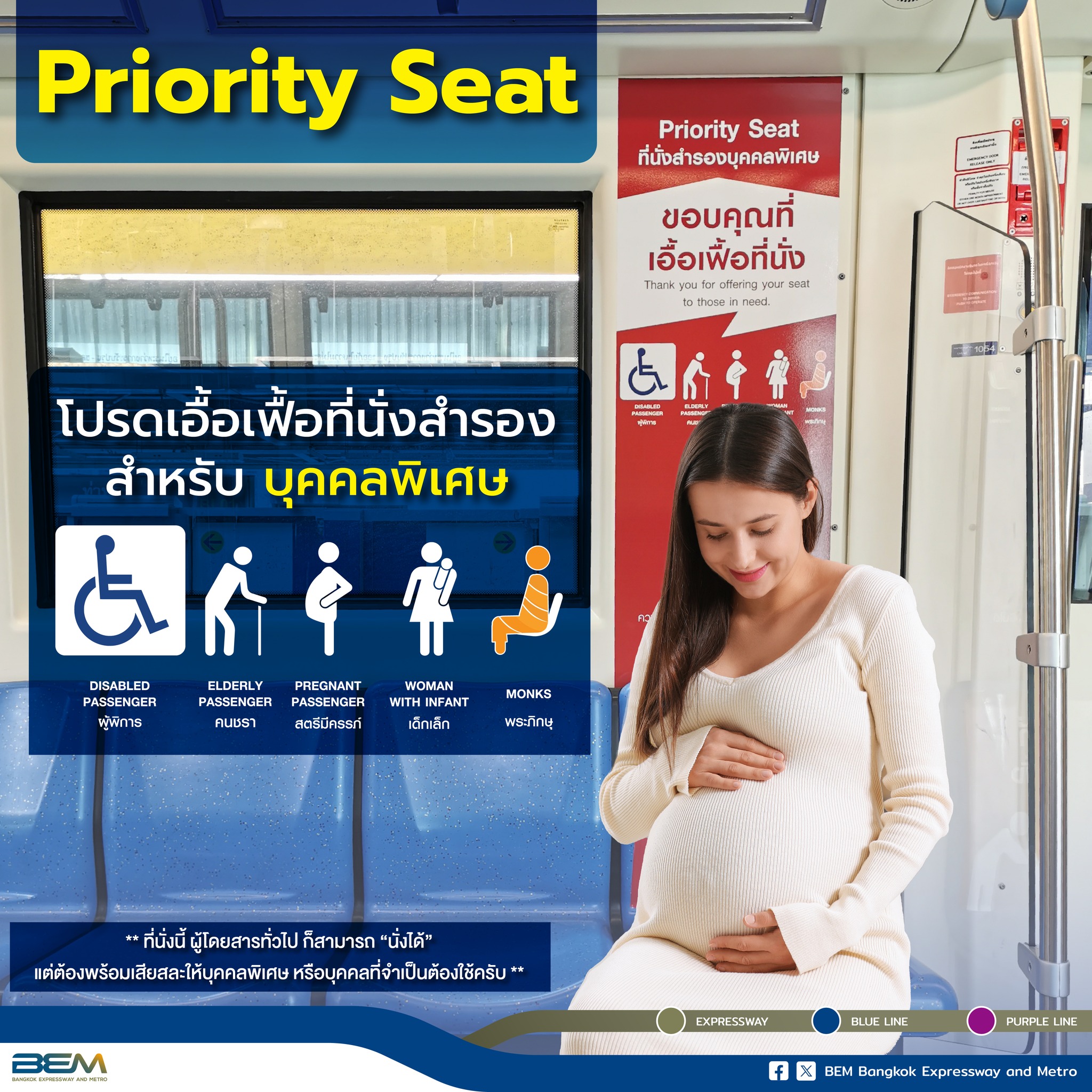
BEM is committed to delivering high-quality services to all service user groups equally, ensuring fairness for individuals, including the general public and those requiring assistance such as children, the elderly, and people with disabilities. The Company prioritizes the design of appropriate infrastructure and service facilities, in line with the Universal Design principles, to ensure seamless accessibility at stations and on trains for all users. Key accessibility features include passenger elevators, stair lifts, ramps, wheelchair-accessible spaces on trains, tactile warning buttons for persons with visual impairments, designated waiting areas for persons with disabilities both at stations and on trains, accessible restrooms for the elderly and people with disabilities, designated parking spaces, and clear signage and symbols. In addition, service delivery is supported by trained station staff who provide assistance and ensure safety, convenience, and dignity for all users. Furthermore, the Company permits guide dogs for visually impaired individuals and foldable bicycles or compact vehicles to enter station premises, promoting public transportation usage and supporting inclusive mobility.
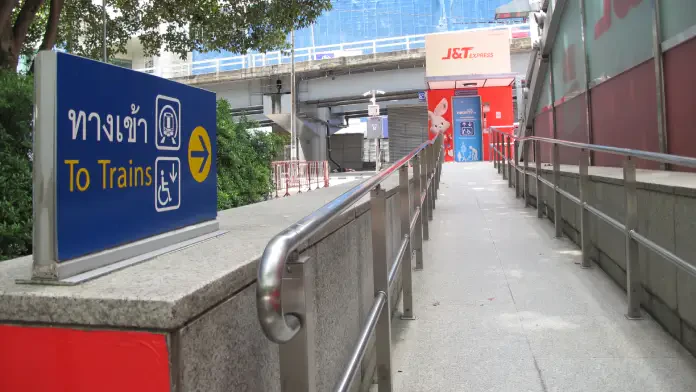
Ramps
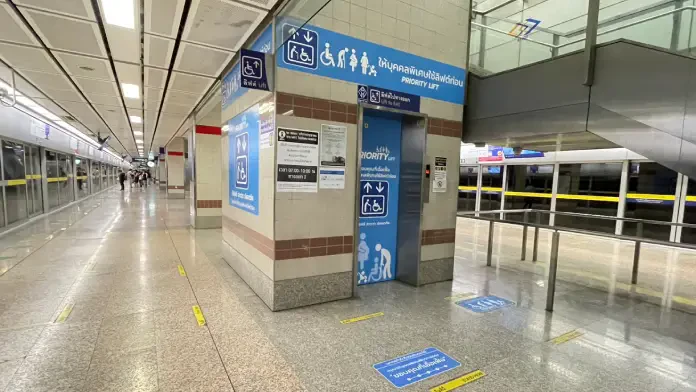
Passenger Elevators

Tactile Ground Surface Indicators

Wheelchairs in the MRT Station
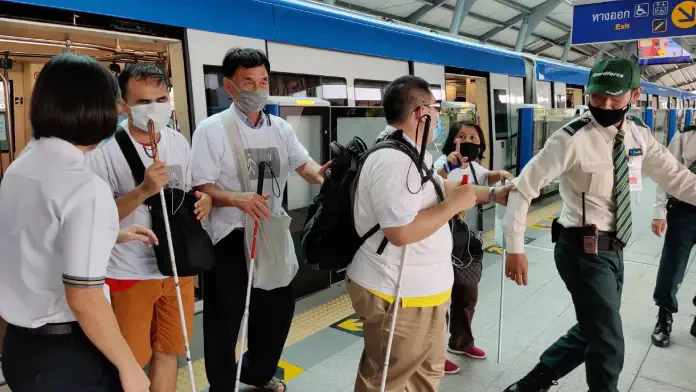
Assistance for Persons with Disabilities and Those requiring Additional Supports
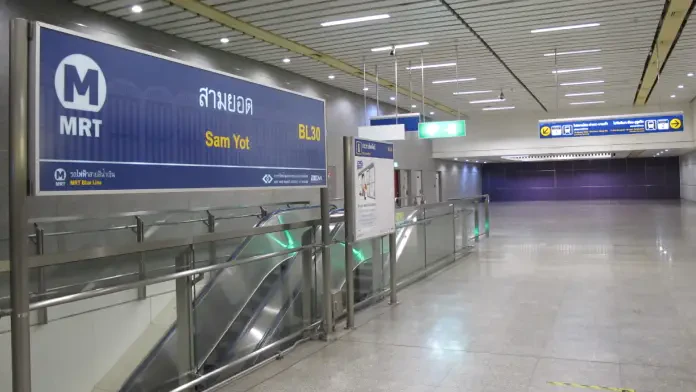
Signage and Symbols
BEM listens to feedback and complaints related to services, convenience, and other concerns from all user groups. This input is used to improve facilities and services, ensuring the Company can deliver quality and equitable services for all users.

Human Rights Operations towards Society and Communities
BEM has established guidelines for supporting community and social activities by identifying target communities that are or may be affected by its operations, such as communities near the depot and those neighboring expressway and rail routes. These communities are categorized into three TIERs:
- TIER 1 Sensitive Communities: Communities directly affected by the Company’s business operations
- TIER 2 Potentially Affected Communities: Communities expected to be affected or that may be impacted in the future
- TIER 3 Neighboring Communities: Communities located near expressways and rail routes
To address community needs, expectations, and potential impacts, BEM has implemented a survey process for these aspects through field engagement in order to assess community and social concerns that may be negatively affected by the Company’s operations. This process is managed by the complaint handling unit, which is responsible for receiving complaints, and the Business Relations Division, which conducts field visits to gather problems and suggestions from communities and society. The data collected is analyzed to identify solutions and improve measures to reduce direct and indirect impacts on communities. In 2025, the Company received 5 human rights complaints from communities, which were analyzed and classified into 2 categories as follows:
- Issues related to communities along the expressway route (1 case): Issues related to impacts from land use and maintenance along the expressway routes. For example, residential community near the expressway right-of-way reported a concern regarding the collection of branches and debris after tree trimming. The Company has successfully resolved this issue to ensure tidiness and minimize surrounding community impact.
- Issues related to communities along the MRT route and depots (4 cases): Issues related to operational service impacts. For example, a community near MRT Lat Phrao Station reported a noise issue originating from equipment inside the station’s ventilation building. The Company investigated the facts and implemented corrective actions, successfully controlling the noise level within appropriate standards and mitigating the impact on the neighboring community.

Human Rights Grievance Mechanism
BEM has established dedicated channels for human rights complaints and stakeholder suggestions related to human rights issues. Upon receiving a complaint, the matter is immediately forwarded to the responsible unit with a specified timeframe for resolution. The Company has protective measures in place to ensure confidentiality by concealing the identities of complainants and whistleblowers. The Company also conducts investigations and monitoring of human rights on violations, imposes penalties or disciplinary actions against human rights offenders, and provides remedies to affected individuals in accordance with applicable laws or company regulations and rules.
Grievances can be submitted through the following channels:

Company Website
https://www.bemplc.co.th/Contact

Information Service Center
02-624-5200

Sealed Letter

Grievance Investigation, Consideration, and Resolution
BEM is committed to protecting human rights by ensuring fair treatment for employees and all stakeholders. The Company has established a grievance process, whereby complainants must receive an explanation within 15 days of submitting a complaint. If no response is provided within this period, complainants have the right to resubmit the same complaint.
Additionally, BEM has implemented measures to prevent recurrence of issues and guarantees that all complainants and related parties will be handled confidentially, allowing individuals can express their opinions and concerns without fear of any negative repercussions. Complaints will not result in dismissal, punishment (in the case of employee complainants).
In 2025