

Innovation Management

Goal 9:
Management Guidelines and Practices
BEM's ultimate goal is to deliver efficient services by encouraging employees to participate in the innovation development.
In doing so, the Company has communicated its innovation guidelines to employees at all levels through the Company's public relations media. In addition, the Company promotes partnerships with universities and third parties to develop innovation, which can be applied to drive sustainable development, such as increasing safety in the work process of employees and service usage of customers, enhancing environmental quality for communities, etc.
Impact on Business and Stakeholders





Integrating new innovations into business operations will enhance efficiency in work processes and elevate the level of service, which is the heart of business operations. It will contribute to making an impression on and delivering excellent services to customers while helping employees develop new skills and knowledge. Innovation has become the factor that drives the Company's competitiveness in the long run and enables the creation of value and profits from operations in accordance with the expectations of shareholders and business partners. It also contributes to reducing environmental and community impacts for the Company to grow and expand sustainably.

Commitment, Challenges and Opportunities
BEM aims to develop and promote innovation by applying technology and innovation to strengthen operational efficiency.
The Company also raises employees' capacity with the skills necessary to create innovation within the organization, and invests in innovation research and development with third parties to keep up with new challenges and develop services that respond to the expectations of all stakeholders.

Targets and Performance Indicators
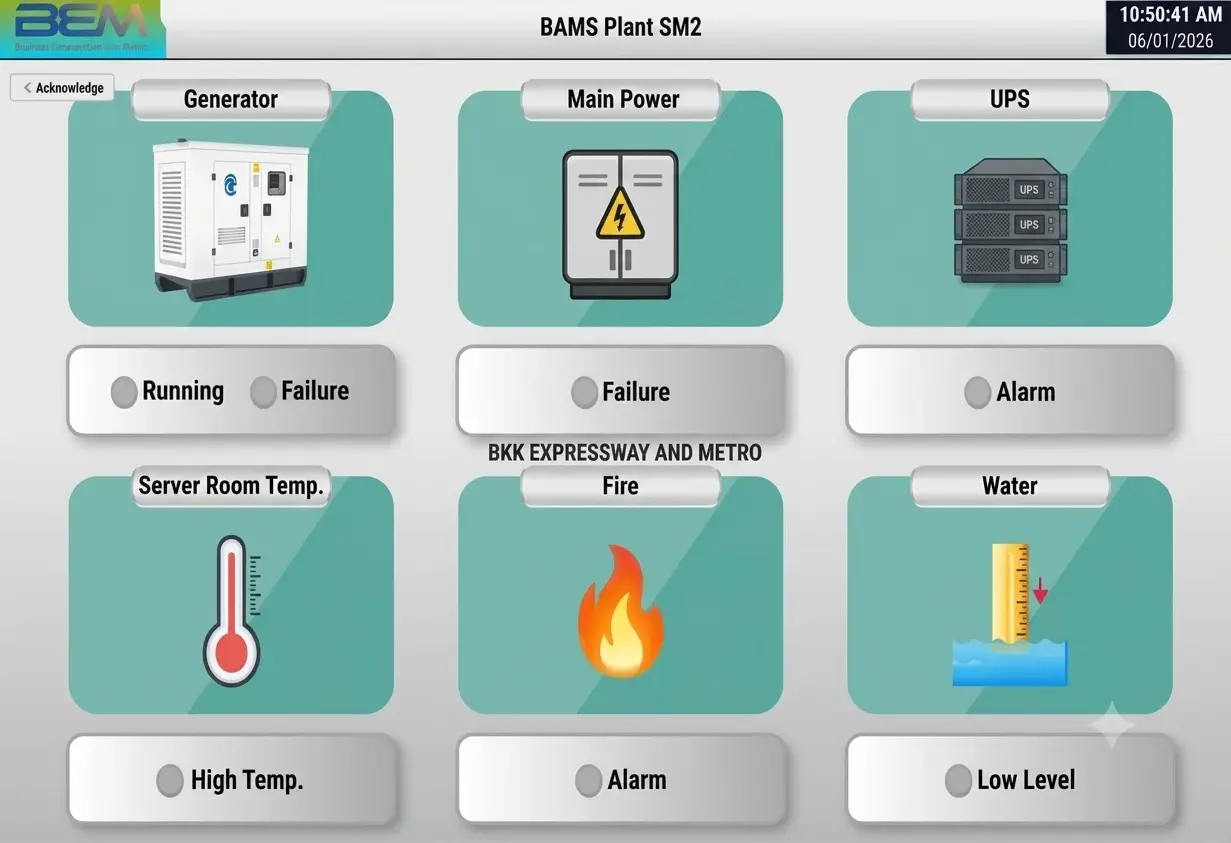
BEM has established targets and key performance indicators (KPIs) for innovation development to support the improvement of operational processes and service delivery. In 2025, key initiatives included the Building Automation Monitoring System (BAMS) project for toll plaza buildings, covering a total of 18 buildings, and the EMV Customer Claim system project. The latter incorporates Artificial Intelligence (AI) technology to automatically classify and categorize complaint data, with a target complaint resolution rate of more than 80%.
The 2025 performance results showed that the BAMS Development Project successfully developed and installed the system across all 18 toll plaza buildings, achieving 100% of the defined target. Meanwhile, the EMV Customer Claim Management System Project was in the study and testing phase. Out of 9,882 test complaints processed, the system successfully resolved 9,697 cases, representing a resolution rate of 98.13%, in line with the established target.
The development of these systems forms part of the Company's transition toward digital processes, reducing reliance on paper-based procedures and certain on-site operations. This supports more efficient resource utilization, such as reducing travel for operational purposes, thereby enhancing overall operational efficiency and service quality.

Building Automation Monitoring System (BAMS) Development Project (Cumulative number of toll plaza buildings installed with BAMS)
Targets
2025 Performance Results

EMV Customer Claim System Project (Complaint resolution rate during the test phase)
Targets
2025 Performance Results
Policy and Practices
BEM has established the Innovation policy to promote innovation in business operations grounded in a strong commitment to social and environmental responsibility. The policy encourages process improvements and innovations that add value to business operations, ensuring adaptability to current and future changes. The Company also fosters employee awareness on the importance of process improvement and strengthens organizational culture by creating an environment that encourages employee participation in creative expression and knowledge exchange related to process improvement.
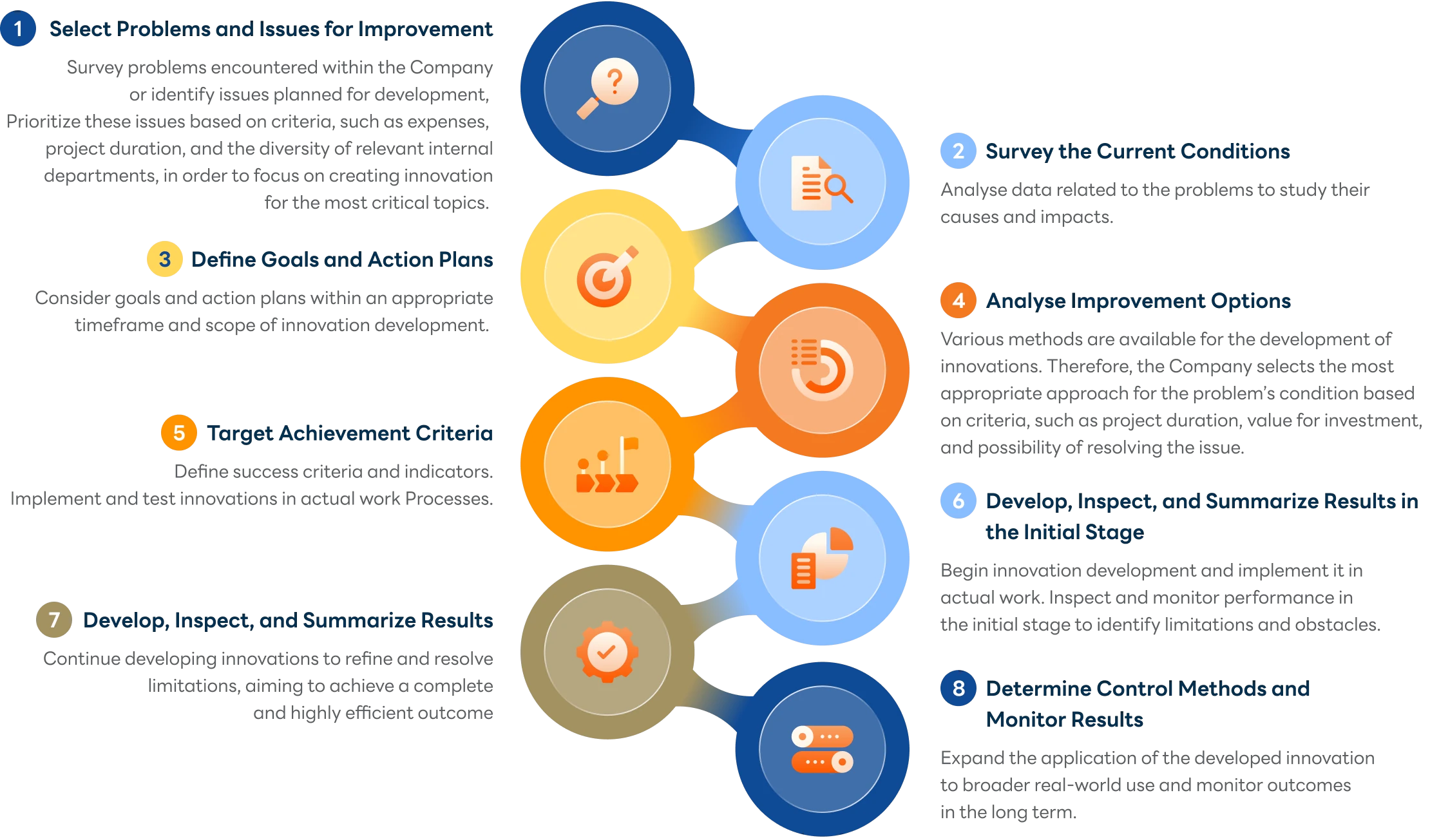

In 2025
BEM invested in research, development, and implementation of innovations across eleven projects with a total investment value of over 99.40 million THB, as detailed below:

Innovation
Innovation Development (In-house Development / Co-development)
Innovation Implementation

Total Investment Value
Innovation Development by BEM (In-house Development / Co-development)(Self-Developed / Co-Developed)
BEM has implemented 6 key innovation development projects, representing a total investment value exceeding 3.68 million THB. These include the Building Automation Monitoring System (BAMS) Development Project, the EMV Customer Claim Management System Project, the deployment of advanced cybersecurity Endpoint Detection and Response (EDR) technology, the development of a remote-control system for toll collection operations, and the development of a cash-based toll collection system software. These systems have undergone development, operational testing, and partial implementation. The Company plans to continuously refine and develop these initiatives to enhance the efficiency of operational processes and service delivery.
Innovation Implementation
BEM has implemented 7 innovation Implementation projects, with a total investment value exceeding 95.72 million THB. Key examples include the implementation of an Enterprise Resource Planning (ERP) system, the deployment of an Advanced Traffic Management System (ATMS), and the installation of an Intelligent Video Analytics (IVA) system.
BEM found that the development and application Implementation of these innovations have contributed to cost savings in both capital and operational expenses, while enhancing the efficiency and effectiveness of operational processes and service delivery. These initiatives also strengthen the Company’s competitive advantage and effectively respond to the needs and expectations of stakeholders.
Examples of Innovation Development Applied to Improve Operation Processes and Service Delivery
Objectives
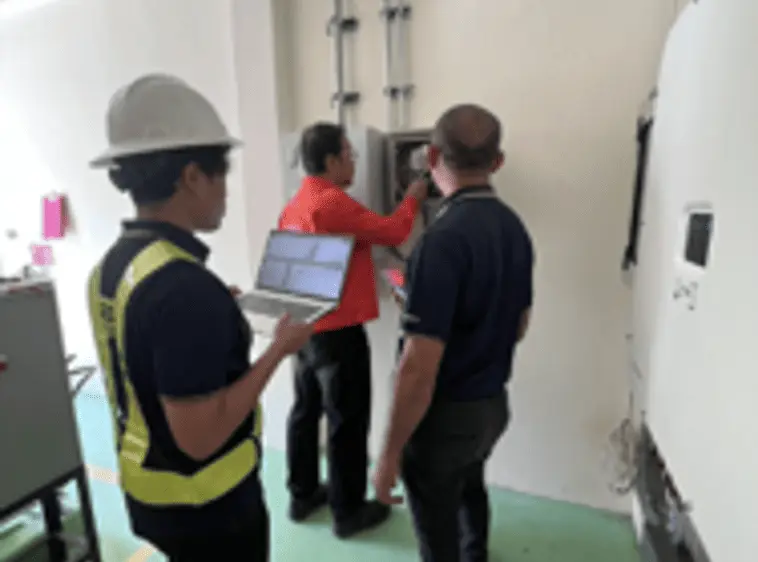
- To monitoring and inspect the status of electrical equipment in toll plaza buildings and control centers via a web application
- To support electrical system maintenance management
- To support digital process operations
Business Benefits
- Reduces system development costs — developed by Company employees (investment cost: 0 THB)
- Reduces equipment procurement and maintenance costs by approximately 1 million THB per project (46 toll plaza buildings)
- Reduces some on-site inspection steps
- Increases speed of accountability and analysis root cause
- Supports preventive maintenance planning
Social & Environmental Benefits
- Reduces fuel consumption from travel to work sites
- Reduces electricity consumption in maintenance processes
- Improves operational efficiency
- Supports efficient resource utilization

Objectives
- To develop and apply Artificial Intelligence (AI) technology for complaint classification
- To support reduction of manual processing steps
- To support digital data processing
Business Benefits
- Reduces system development costs — developed by Company employees (investment cost: 0 THB)
- Reduces time and cost of data processing
- Enhances the accuracy and consistency of data classification and decision-making workflows
- Alleviates staff workload, enabling personnel to focus more on analytical or strategic tasks
- Supports use of data for service quality analysis and improvement process
Social & Environmental Benefits
- Helps complaint management proceed quickly and fairly, resulting in more efficient service for customers
- Reduces paper resource consumption
- Reduces redundant work steps
- Supports digital process operations
Communication and Dissemination of Innovation
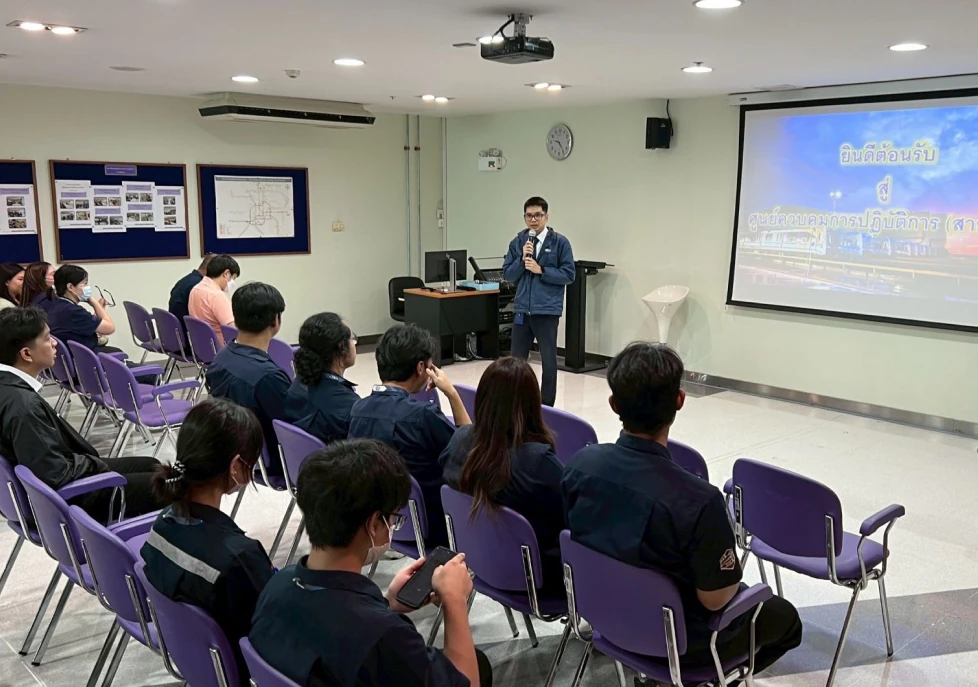
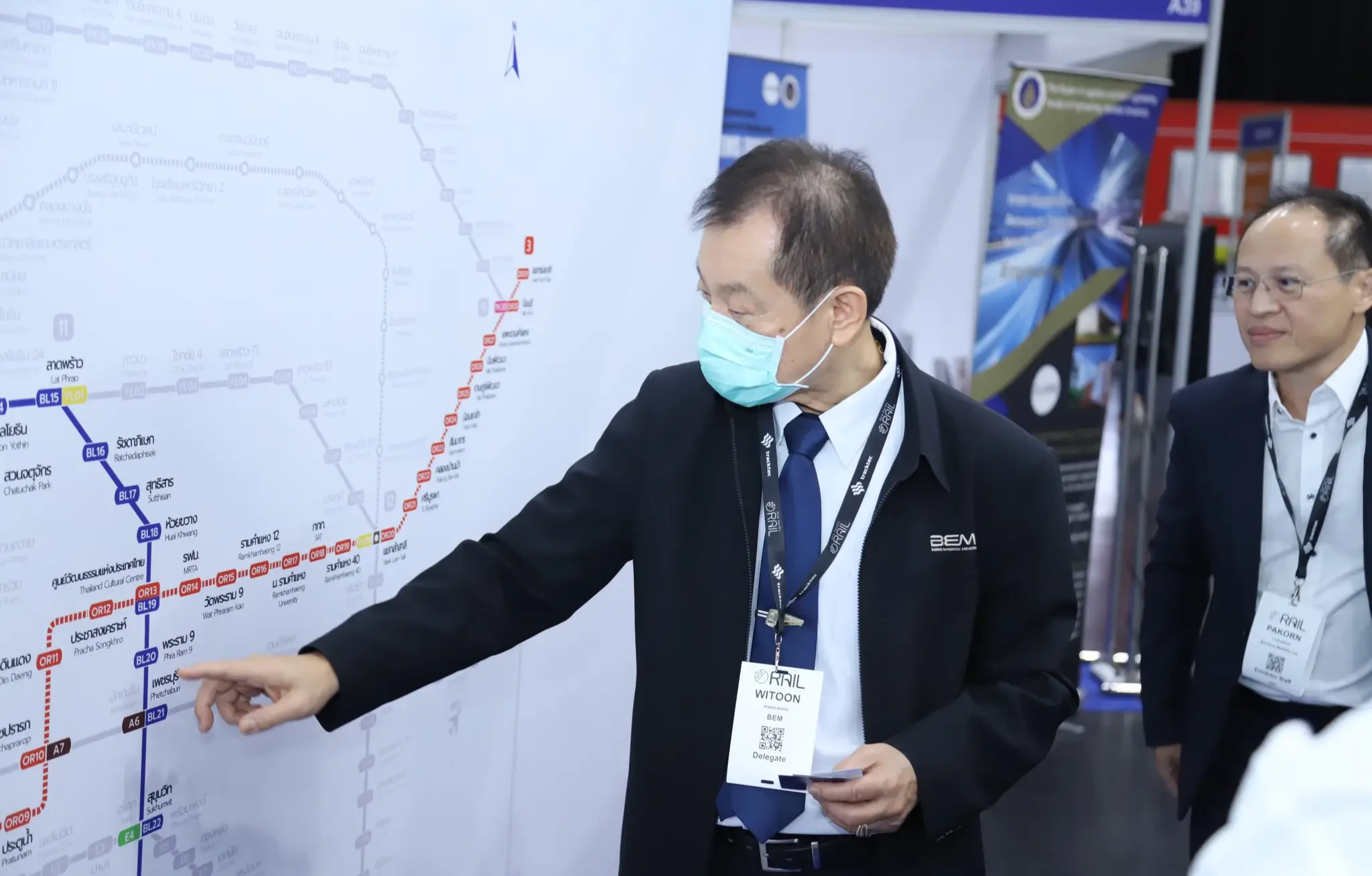
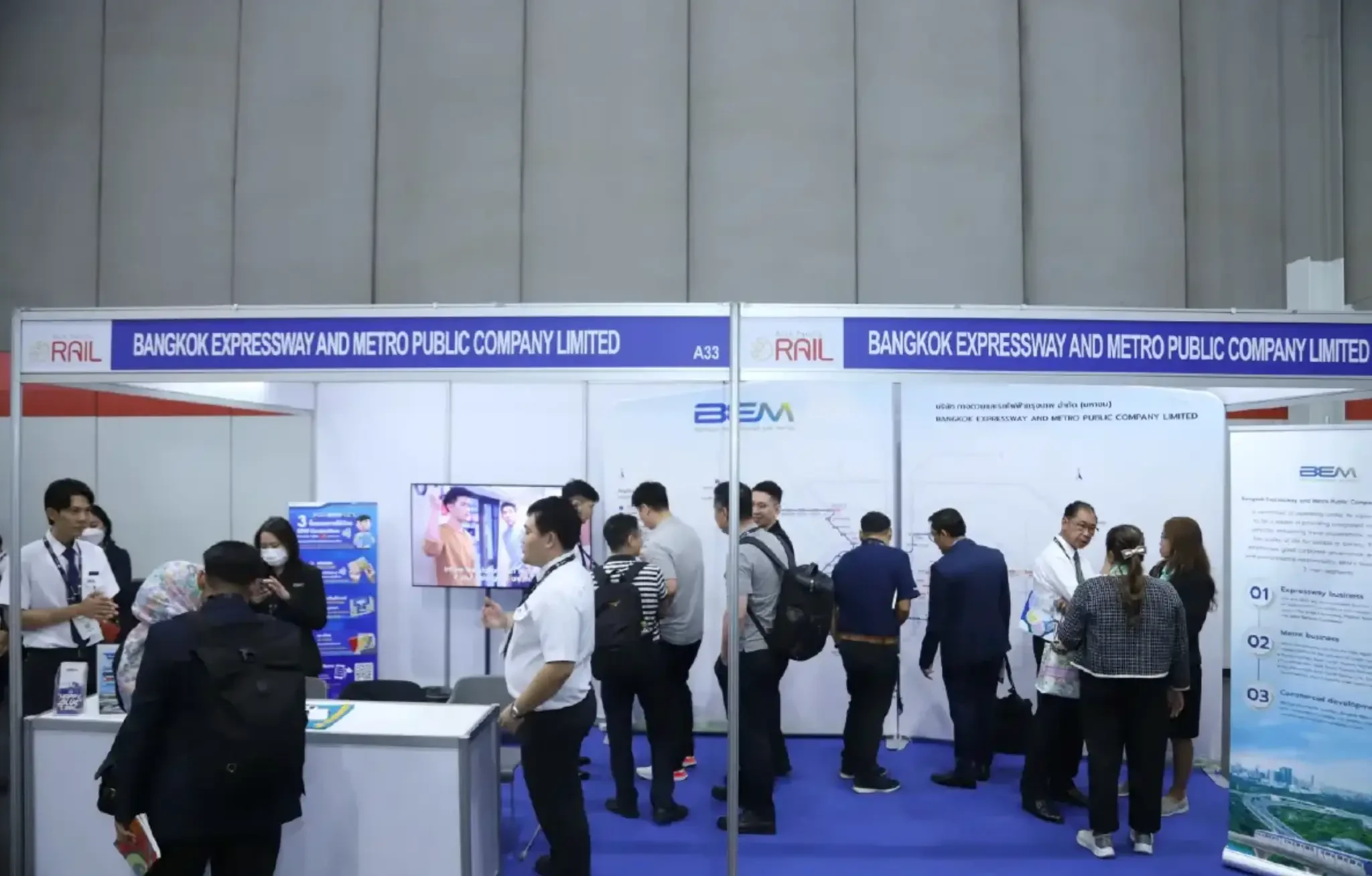
In addition to developing internal innovations, BEM promotes innovation knowledge sharing with all sectors through various activities — such as exhibition booths to share and exchange knowledge with organizations in the rail transport industry; educational activities for the transport and rail industry; educational and study visits for applying technology and innovation to improve operational efficiency and service delivery, rail operations control, and maintenance; as well as information exchange between internal and external organizations.
In 2025
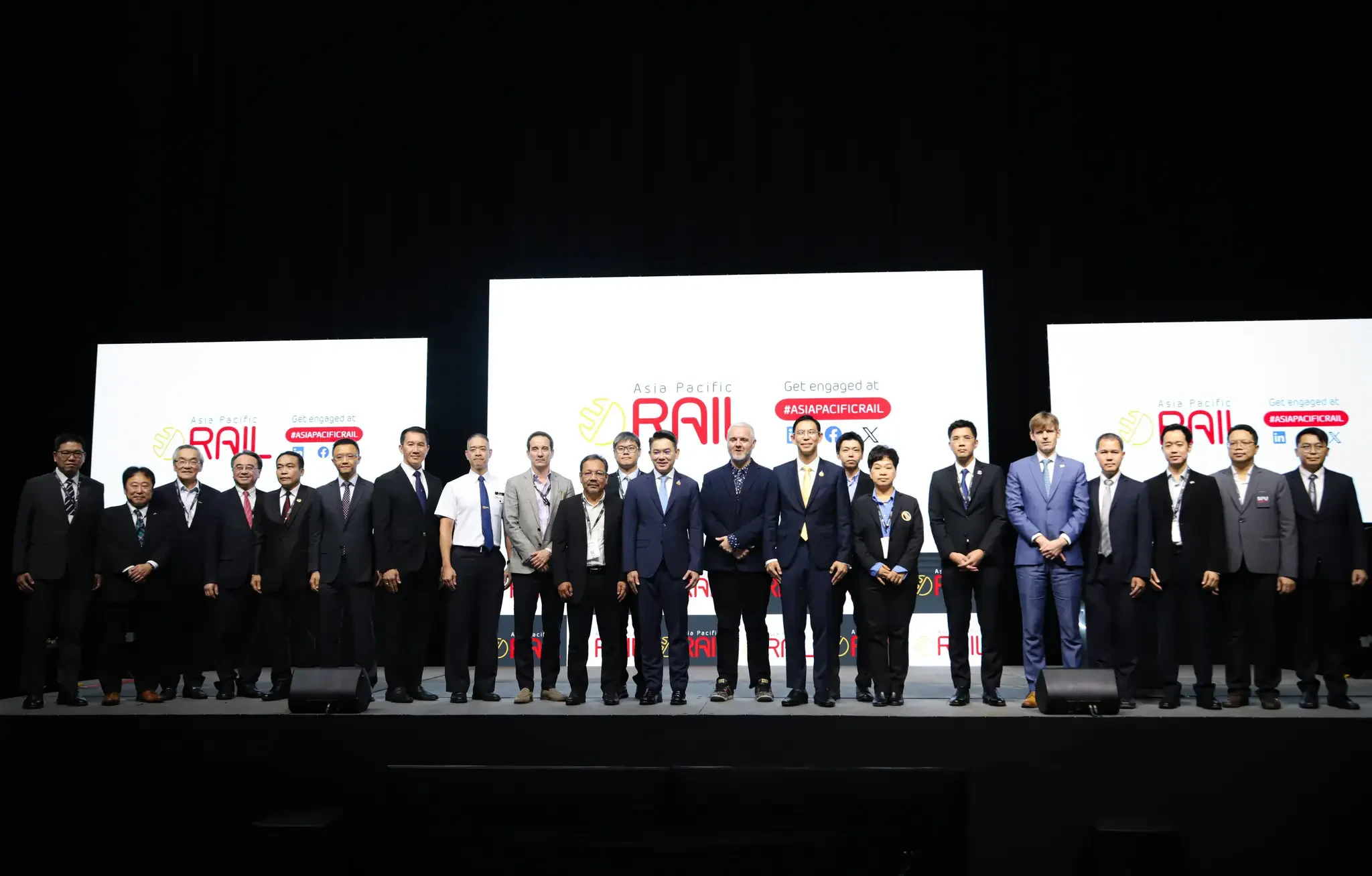
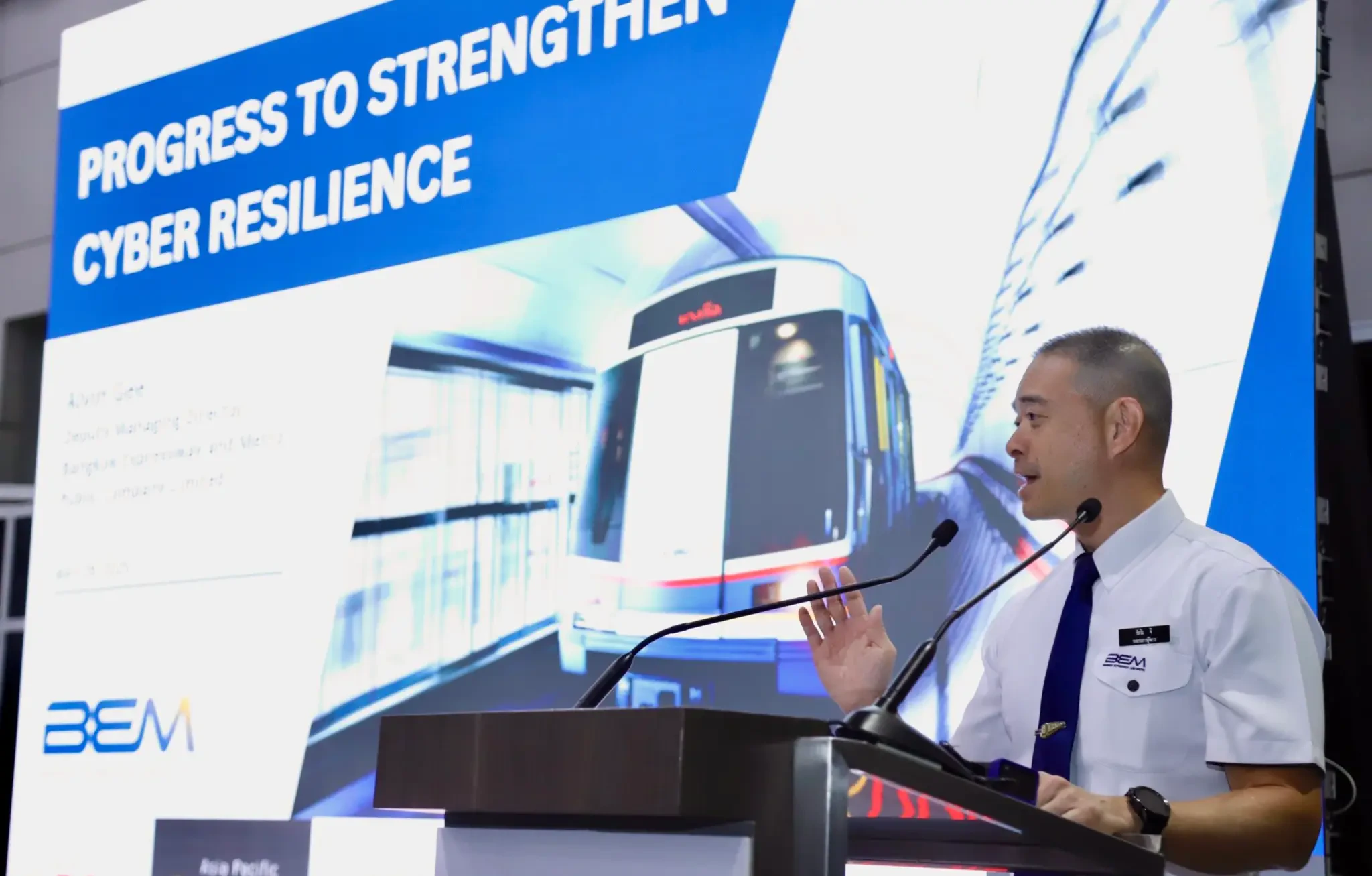
BEM participated as an exhibitor, and the Deputy Managing Director of Administration delivered a keynote presentation titled "Progress to Strengthen Cyber Resilience" at Asia Pacific Rail 2025. This initiative aimed to showcase achievements and exchange knowledge on innovation and technology with international experts and operators, reflecting the Company's active engagement on Asia's rail transit stage.
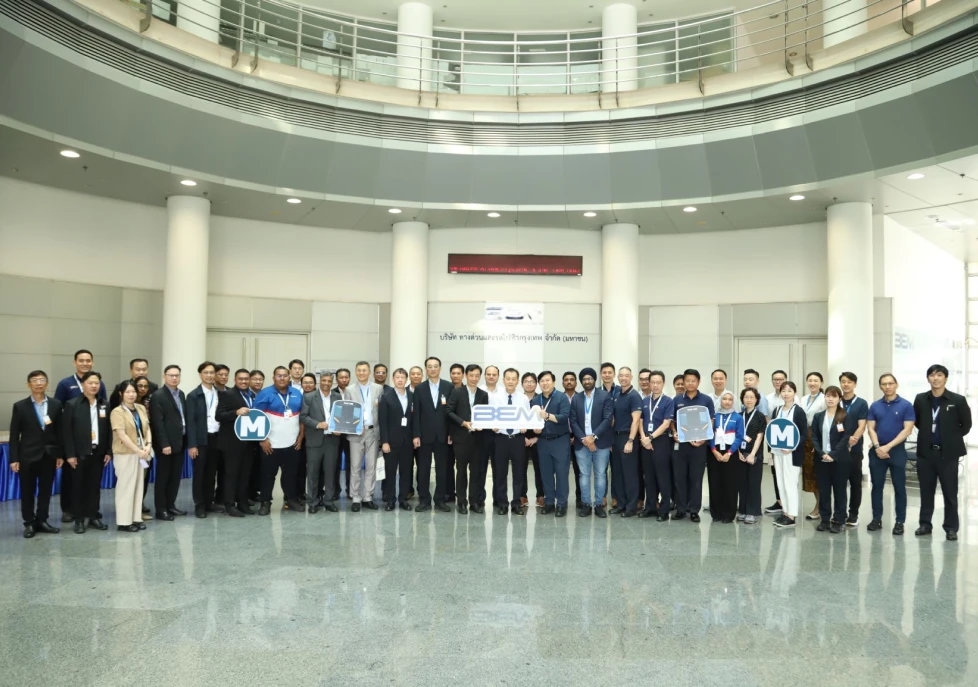
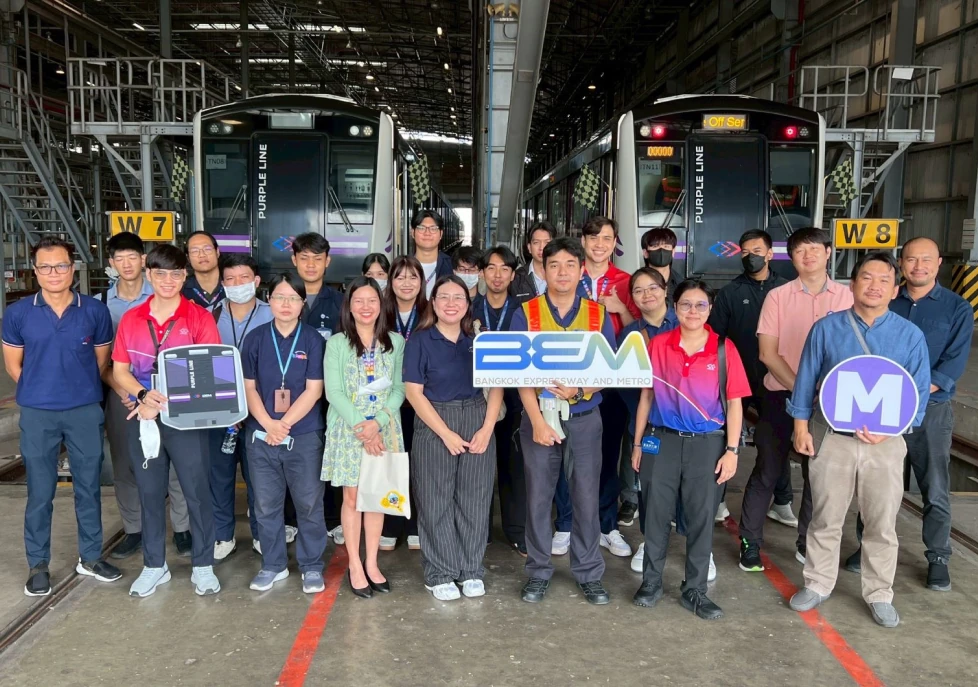
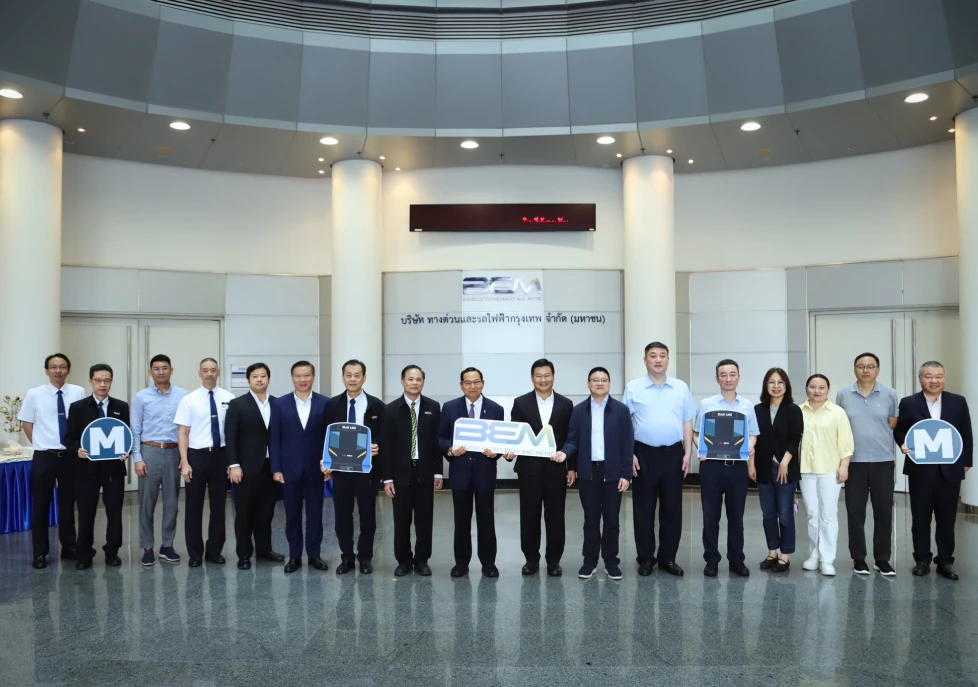
Additionally, the Company hosted a total of 97 visiting delegations comprising 6,122 persons from both domestic and international organizations, including: management delegations from the Council of Engineers; the UITP Asia-Pacific Urban Rail Platform (UITP APURP);
Sriracha Railway Co., Ltd.; faculty and students from the Wharton School of Business, University of Pennsylvania, USA; the Shanghai Municipal Transportation Commission (SMTC), People's Republic of China; trainees from the Explosive Ordnance Disposal Course, 22nd Class, Ordnance Division, Royal Thai Police Logistics Bureau; management and trainees from the Institute of Research and Development for Public Enterprises (IRDP); and youth and staff participants in the “Saan Jai Thai Su Jai Tai” (Bonding Thai Hearts to Southern Hearts) Project, 45th Class, Department of Provincial Administration.