
Occupational Health and Safety


Goal 3:

Goal 8:

Goal 11:
Impact on Business and Stakeholders



Ineffective safety operations and lack of appropriate personal protective equipment can result in work-related accidents and injuries that may lead to business disruption, increase in costs related to medical treatment and compensation for losses, and damage to corporate reputation. It may also involve violation of human rights of employees or contractors and may lead to accidents that are fatal to customers.
Therefore, BEM conducts its businesses by taking into account the health, safety and well-being of all stakeholders. In this regard, the management's focus on occupational health and safety and the creation of a corporate safety culture are vital in preventing and minimizing the number of injuries and fatalities relevant stakeholders as well as reducing damage to physical infrastructure and impacts on the environment in the event of an accident.

Commitment, Challengesand Opportunities
BEM is committed to conducting business with consideration for the health, safety, and well-being of all stakeholders.
The Company strives to build trust and satisfaction for customers through effective safety measures and regular infrastructure maintenance and testing. The Company also implements an occupational health and safety management system that has been certified by ISO 45001, provides training, and encourages employees to participate and propose recommendations related to occupational health and safety operations.

Targets and Performance Indicators
To ensure strong health and safety performance, BEM has implemented a development plan to continuously cultivate a Positive Safety Culture by strengthening safety awareness and safe behaviors, while fostering a caring mindset and active involvement among employees at all levels.

Lost-Time Injury Frequency Rate1/ (LTIFR) of Employees
Targets
2025 Performance

Lost-Time Injury Frequency Rate1/ (LTIFR) of Contractors
Targets
2025 Performance

High-Consequence Injuries Rate2/ for Expressway Users
Targets
2025 Performance

High-Consequence Injuries Rate2/ for Passengers
Targets
2025 Performance

High-Consequence Work-Related Injuries Rate3/ for Employees
Targets
2025 Performance

High-Consequence Work-Related Injuries Rate3/ for Contractors
Targets
2025 Performance

Customer Fatalities
Targets
2025 Performance

Employee Fatalities
Targets
2025 Performance

Contractor Fatalities
Targets
2025 Performance
Notes:
1/Lost-time injury frequency rate (LTIFR) means work injuries resulting in employees and/or contractors unable to perform normal duties for at least 1 day or one full shift.
2/High-Consequence injury, or injury with serious impact, not recoverable to full health within 6 months.
3/High-Consequence work injury means work injury with serious impact, not recoverable to full health within 6 months.
Furthermore, BEM continuously monitors its safety performance, including injury rate statistics and occupational health and safety (OHS) risk assessment results. Joint site visits are regularly conducted by management, employees, and contractors to listen to operational issues and determine appropriate corrective actions. These visits also serve to identify hazards and assess risks within the workplace. Concurrently, the Company encourages employees to perform pre-task risk assessments prior to commencing work and empowers them to exercise “Stop Work Authority” if an operational risk is detected, ensuring that everyone can work safely and with confidence.
BEM utilizes the findings and the operational performance data as vital inputs for reviewing and improving safety measures, which include increasing the frequency of workplace environmental inspections, monitoring near-miss incidents, and updating training programs to align with the specific risk profiles of each department. These efforts ensure that the Company’s safety management achieves continuous improvement and remains compliant with ISO 45001 standards.
Policy and Practices
BEM has established its health and safety policy and practices, along with an occupational health and safety management system that applies to all employees, contractors, and suppliers operating within the Company’s premises. The policy and management systems have been developed in alignment with the Occupational Safety, Health, and Environment Act B.E. 2554 (A.D. 2011). Additionally, the rail business's occupational health and safety management system has been certified to ISO 45001 standards. The Company also plans to extend ISO 45001 certification to cover its expressway business by 2027.
Safety Committee
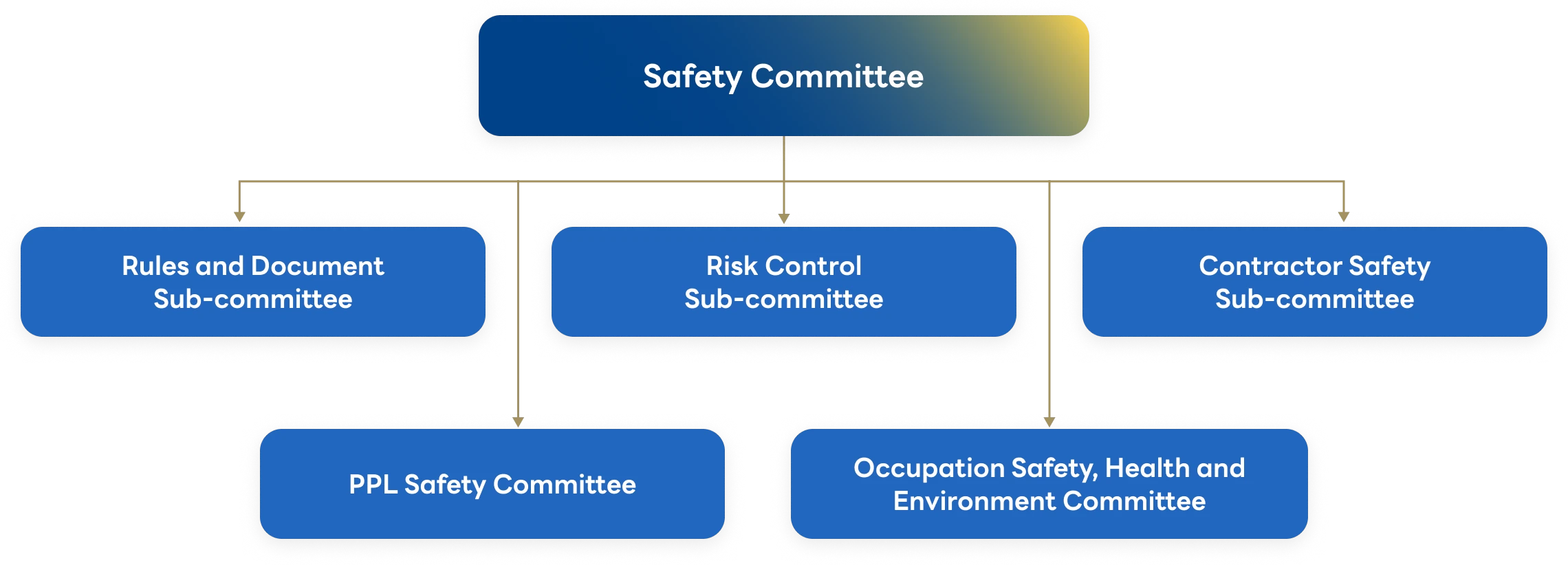
BEM has established a Safety Committee, which is responsible for implementing, directing, coordinating, monitoring, and reviewing safety and environmental risk management to ensure full alignment with corporate policies, laws, and standards, while achieving both efficiency and effectiveness as prescribed. The committee also oversees the performance of various subcommittees under the safety governance structure, such as the Occupational Safety, Health, and Environment Committee. This framework aligns with ministerial regulations prescribing standards for the administration and management of occupational safety, health, and the environment, which mandate employee representation on the committee to promote engagement and gather feedback from employees. Crucially, these employee representatives serve as the primary channel to effectively communicate occupational health and safety processes to the broader workforce within the organization. The Safety Committee meets every two months to report on its performance, while the Contractor Safety Subcommittee and the Occupational Safety, Health, and Environment Committee hold monthly meetings. Furthermore, supervisors and managers are required to undergo training to qualify as safety officers at the supervisory or managerial level, as stipulated by ministerial regulations.
In addition, BEM reports its health and safety performance, including occupational health and safety of employees and contractors, as well as customer safety, to the Corporate Governance, Risk Management, and Sustainable Development Committee on a quarterly basis. This committee plays a vital role in overseeing, monitoring, promoting, and developing health and safety management processes for service users, employees, and stakeholders across the Company’s business value chain.

Standard Certification
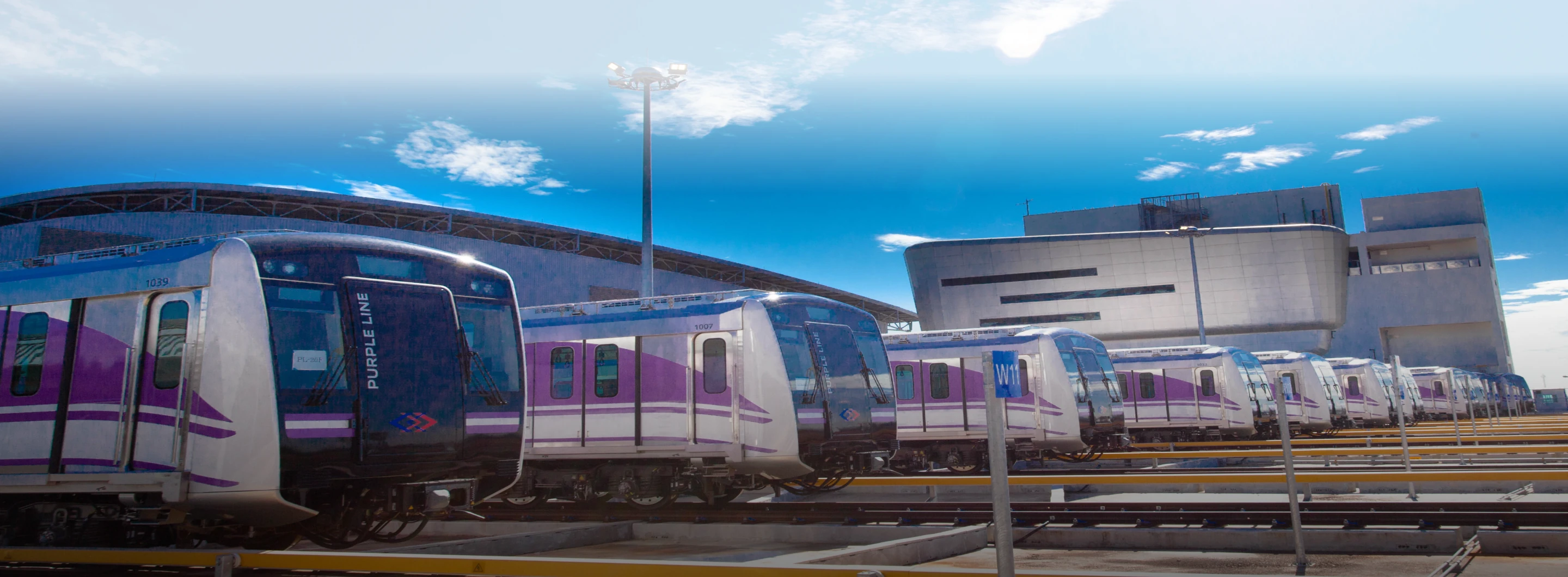
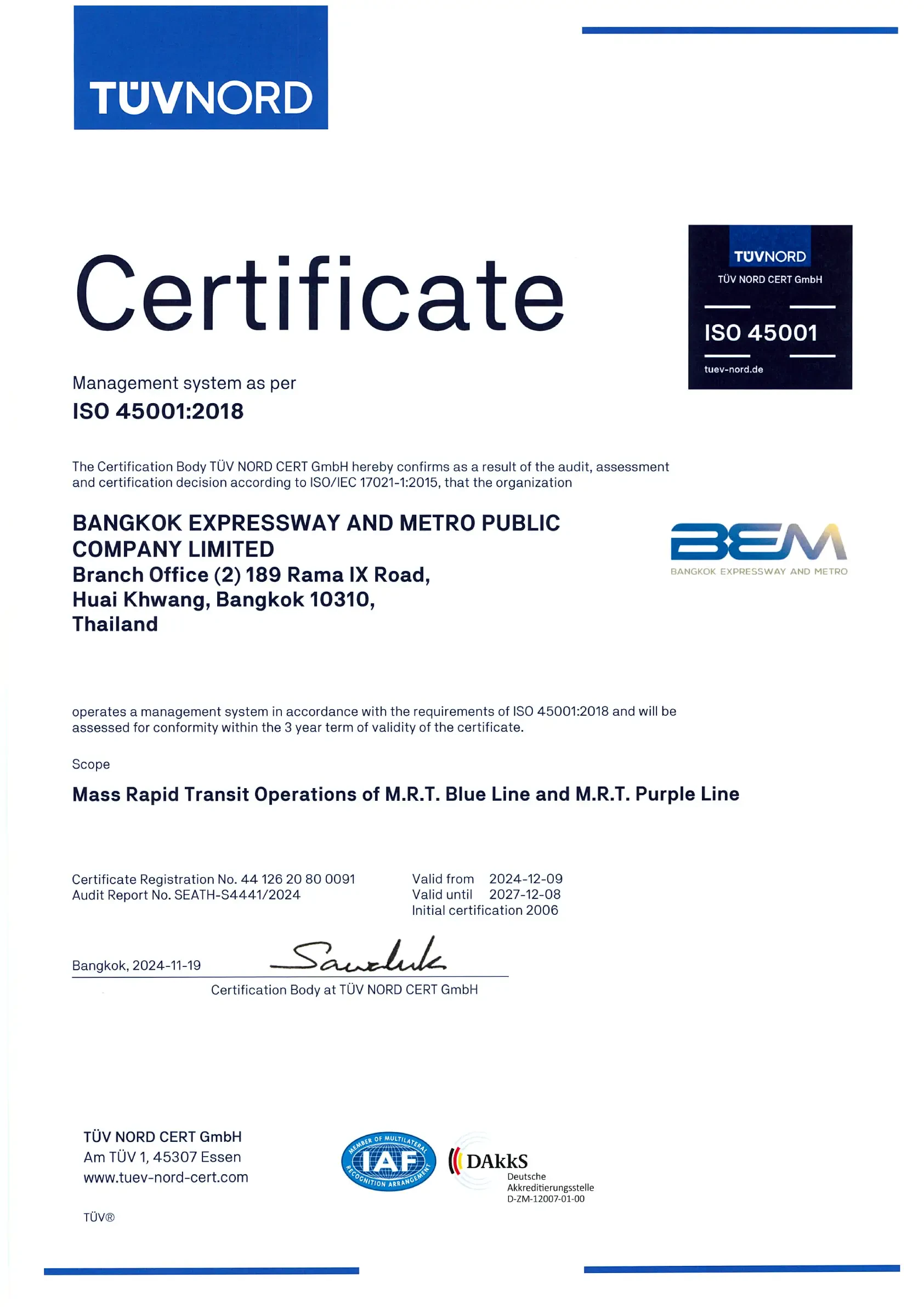
BEM has obtained ISO 45001 certification for the rail business's occupational health and safety management system during 2024–2025, representing 72% of its operations. Moving forward, the Company plans to extend this certification to encompass its expressway business by 2027.
Occupational Health and Safety Management System
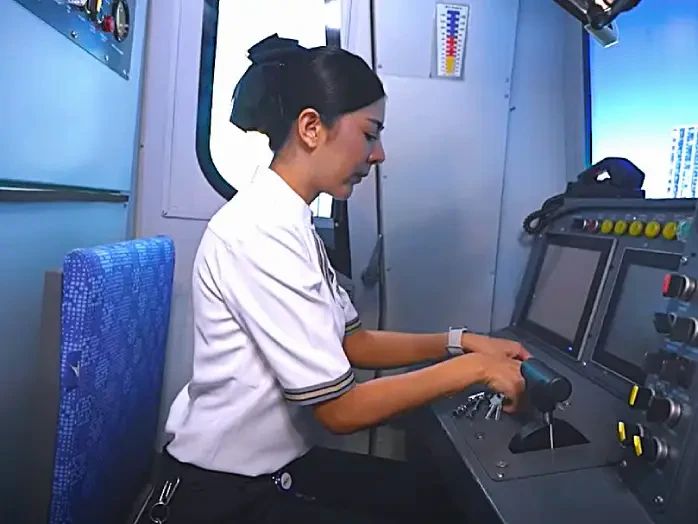
BEM has established a policy and a management system for occupational health and safety (OHS), covering all employees and personnel operating within the Company’s premises, such as contractors, suppliers, and visitors.

BEM has obtained ISO 45001 certification for its rail business's occupational health and safety management system, whereas the Company is currently expanding its management scope to the expressway business, with completion expected by 2027, ensuring full compliance with the Occupational Safety, Health, and Environment Act B.E. 2554 (A.D. 2011) and all relevant legislation.

Occupational health and safety criteria and requirements are integrated into the selection and evaluation procedures for suppliers, contractors, and subcontractors.

BEM establishes annual goals for reducing accidents and injuries, using Safety Performance Indicators, with a definitive target of zero high-consequence work-related injuries.

BEM applies the As Low As Reasonably Practicable (ALARP) principle to control risks to the lowest feasible level. The Company also regularly reviews and updates the hazard log.

BEM records its operational data against key success indicators and analyzes the performance outcomes to enhance occupational health and safety, while communicating these insights to raise awareness and reinforce occupational health and safety awareness and behaviors.

BEM conducts Root Cause Analysis (RCA) to identify and address the underlying causes of occupational health and safety incidents. The internal and external context of occupational health and safety is reviewed regularly to reassess risks and update management measures, ensuring they remain effective and relevant to changing conditions.
Additionally, occupational health and safety criteria and requirements are incorporated into the contracts with contractors, suppliers, and on-site personnel to ensure that third parties working within the workplace under the Company’s premises comply with the Company’s health and safety policy and management system, as well as actively participate in risk reduction and impact mitigation efforts. These measures protect themselves, the Company’s employees, and all related parties.
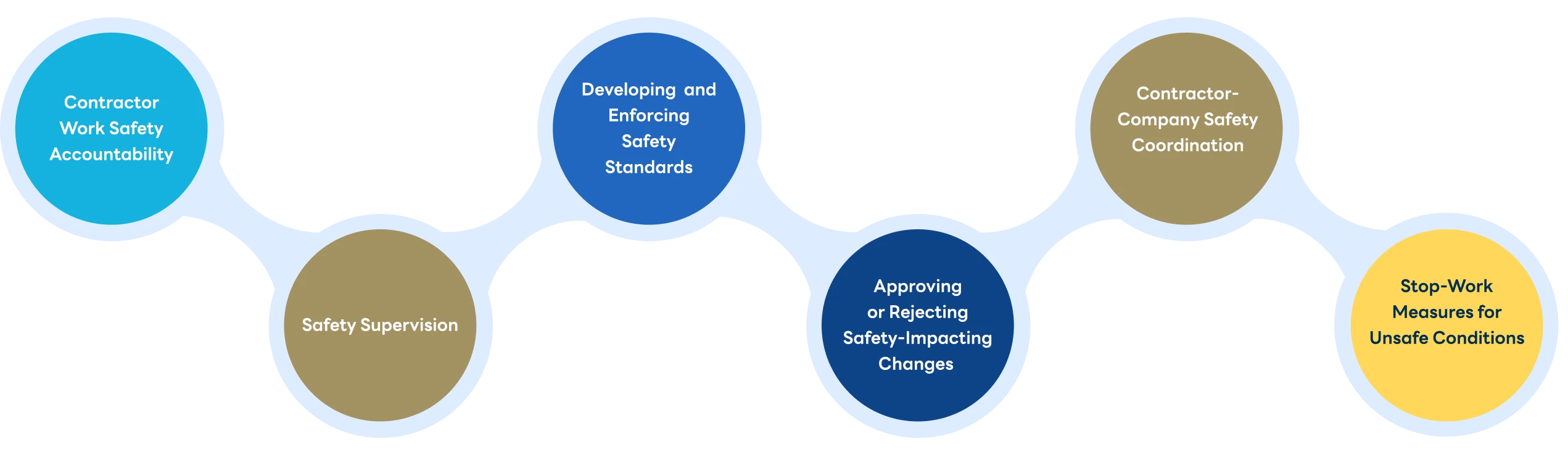
Under the occupational health and safety management system, BEM establishes annual targets that are aligned with the identified hazards and risks. These targets are based on its safety performance indicators, including the number of fatalities or high-consequence injuries, the number of incidents categorized by severity, and the number of minor injuries. The Company’s ultimate goal is to achieve zero high-consequence accidents.
BEM develops its annual action plans in alignment with these targets, taking into consideration the need for additional safety training, emerging or newly identified risks, internal safety inspections and external audits, stakeholder expectations and engagement, and compliance with standard requirements and applicable laws. Following the implementation of these action plans, the Company records data against key performance indicators in order to evaluate performance against key annual goals. If performance does not meet the targets, the Company will immediately review and adjust the action plans during the year.
Occupational Health and Safety Risk Management Process
BEM has established an occupational health and safety risk management process to identify hazards and assess the risks arising from its business operations. This process comprehensively covers the activities of both employees and contractors across existing operations and new projects under construction, aiming to control risks within an acceptable level. In doing so, the Company takes into consideration infrastructure, systems and equipment, the nature and frequency of activities, human factors, organizational structure, applicable regulations and laws, and the broader economic and social context.
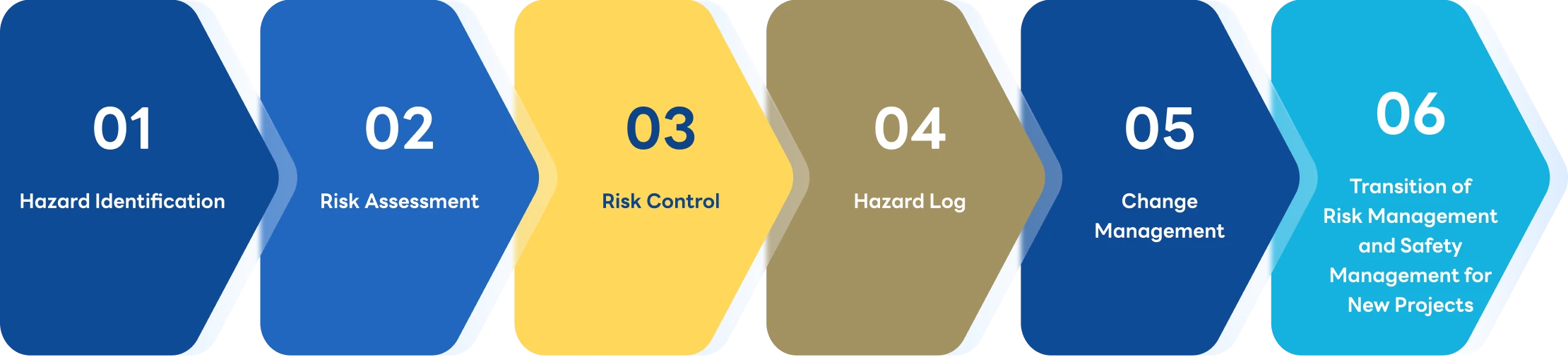
For its operational projects, BEM derives the data used for hazard identification and risk assessment from employee reports, incident reports, incident investigation reports, safety inspection results, as well as stakeholder feedback and complaints. Employees and contractors are encouraged to actively participate by reporting hazards or unsafe working conditions directly to the Safety Management Department, which is directly responsible for managing occupational health and safety, ensuring that the data used for risk assessments accurately reflects actual working conditions across all relevant areas.
In terms of risk control, BEM actively reviews and manages occupational health and safety risks associated with high-risk activities, such as roadside maintenance, tasks involving potential chemical exposure from electronic component repairs, and operations in areas requiring industrial hygiene parameter monitoring. For each work category, the Company implements specific control measures, including the provision of suitable personal protective equipment, arrangement of workplaces in accordance with safety standards, and mandatory annual occupational health examinations.
In addition, BEM regularly reviews risk control measures and actual physical environments through monitoring parameters such as lighting conditions, air quality, bacteria, and fungi, alongside assessing employee readiness and health status prior to work. These practices help mitigate risks and errors that could impact the safety of employees, contractors, service users, and other stakeholders.
BEM maintains an up-to-date Hazard Log as a central database for defining, improving, or reinforcing risk control measures to ensure their appropriateness for each work category and environment.
Additionally, BEM conducts hazard identification and risk assessments triggered by changes, such as infrastructure improvements, changes in work processes, or the introduction of a new scope of work. Corresponding risk control measures are implemented and the Hazard Log is thoroughly reviewed and revised as appropriate.
For new projects under construction requiring future due diligence, hazard identification and risk assessment processes are conducted before project handover or operational takeover to ensure readiness and safety.
Furthermore, BEM is committed to continuously driving its occupational health and safety risk management process to ensure comprehensive occupational health and safety risk management, support organizational adaptation, and support the Company's operations in alignment with long-term safety and sustainability principles.
Safety Operations Process
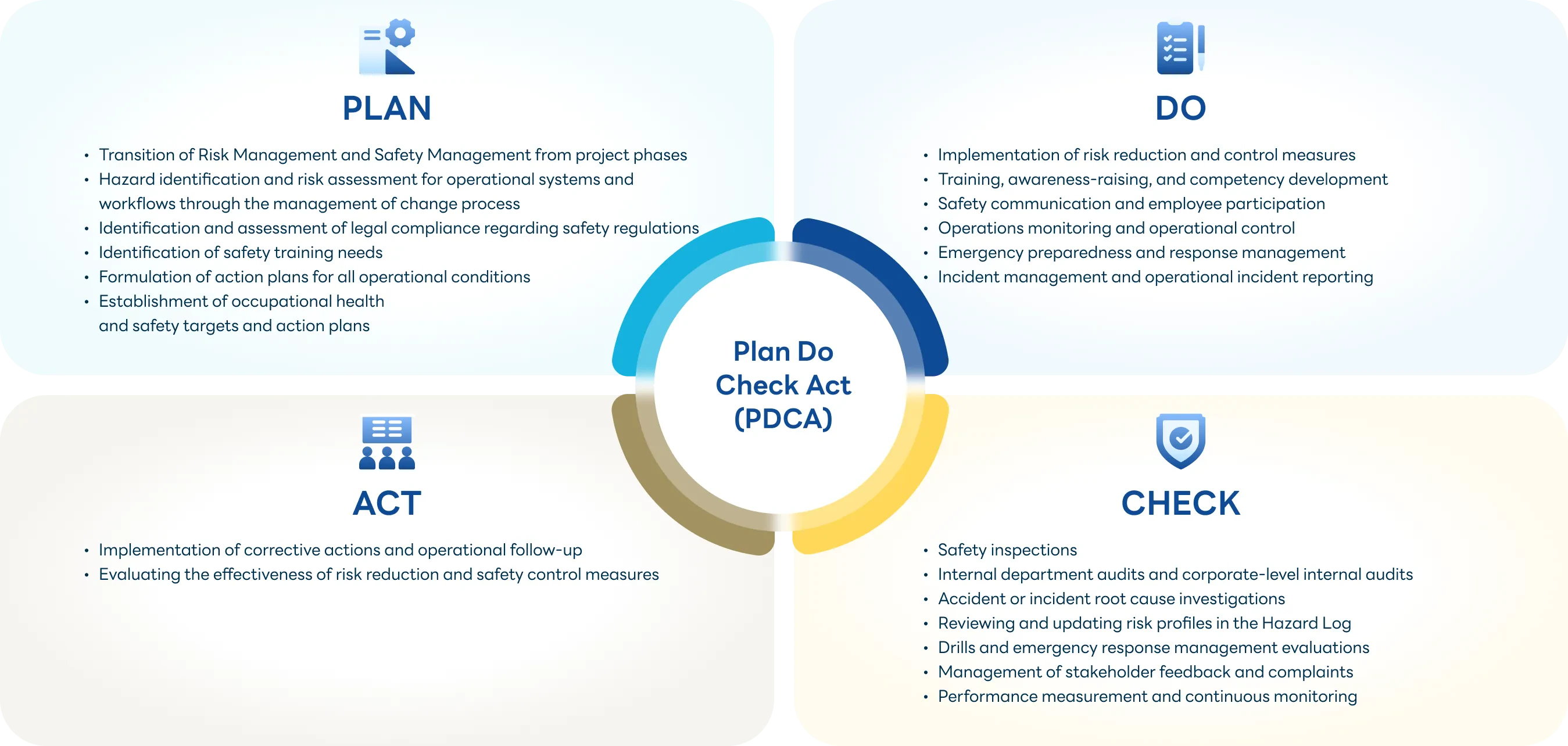
BEM manages its safety operations utilizing the Plan-Do-Check-Act (PDCA) quality management cycle to drive planning, continuous improvement, and overall development, with a specific focus on regular process monitoring and refinement as follows:

Incident Management and Investigation
BEM has established an incident management and investigation process that encompasses scope definition, evidence collection, data analysis, chronological review, root cause analysis, and risk assessment. The acquired information is then cross-referenced with the Hazard Log, whereby responsible personnel are required to perform an additional risk assessment if the incident presents a new hazard not previously recorded in the Hazard Log. Once the underlying causes and risks are determined, the Company proposes preventive and corrective measures according to SMARTER Corrective Action principles before drafting the investigation report to seek approval from the Risk Control Subcommittee for implementation. These measures are then disseminated to relevant departments for acknowledgement and/or action.
Furthermore, if an incident is confirmed as an emergency, BEM requires relevant employees to respond immediately in accordance with the Incident Management Procedure and the Epidemic Prevention and Control Procedure. Additionally, the Company has developed a Business Continuity Plan (BCP) to support emergency situations and pandemics. This plan specifies response guidelines and collaborative operating procedures, including the Epidemic Prevention and Control Procedure, for relevant departments to ensure seamless business continuity.
BCP Implementation Steps for an Epidemic Outbreak within the Company


Occupational Health and Safety for Employees and Contractors
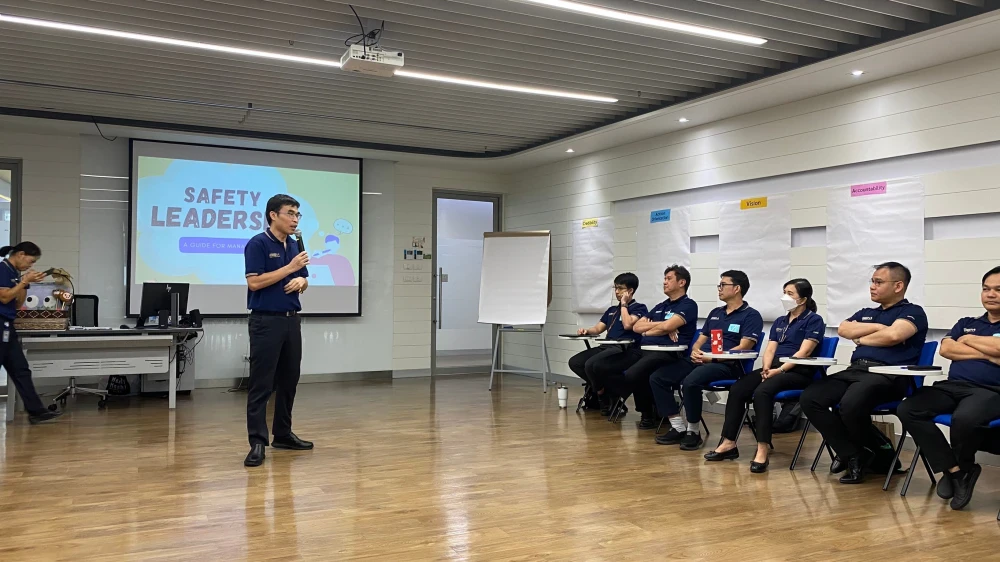
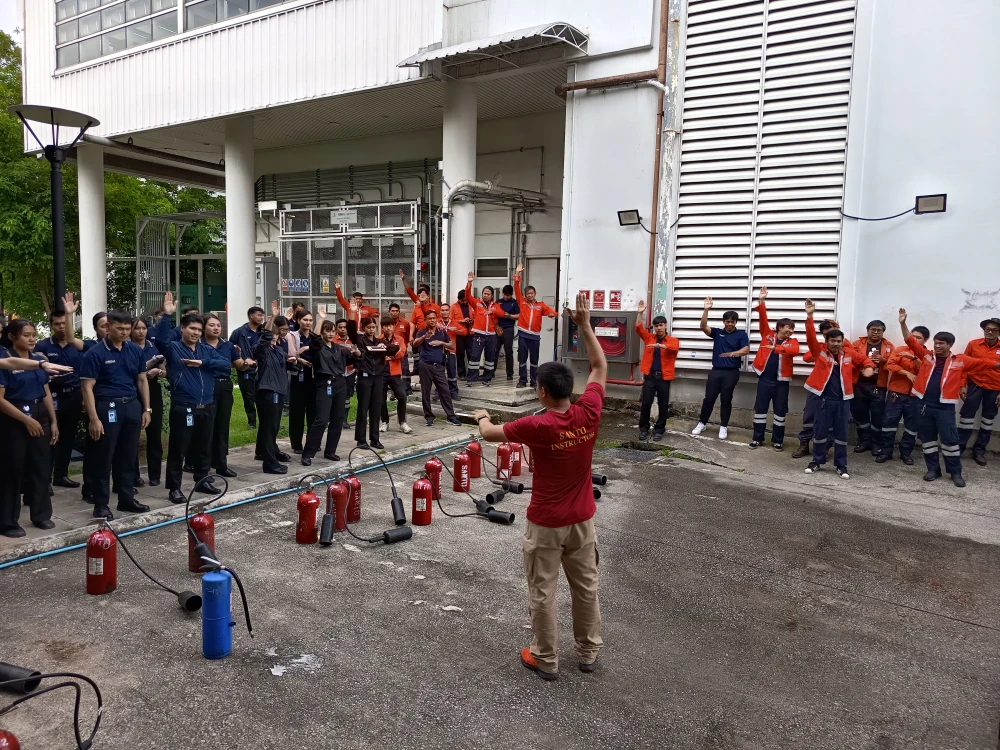
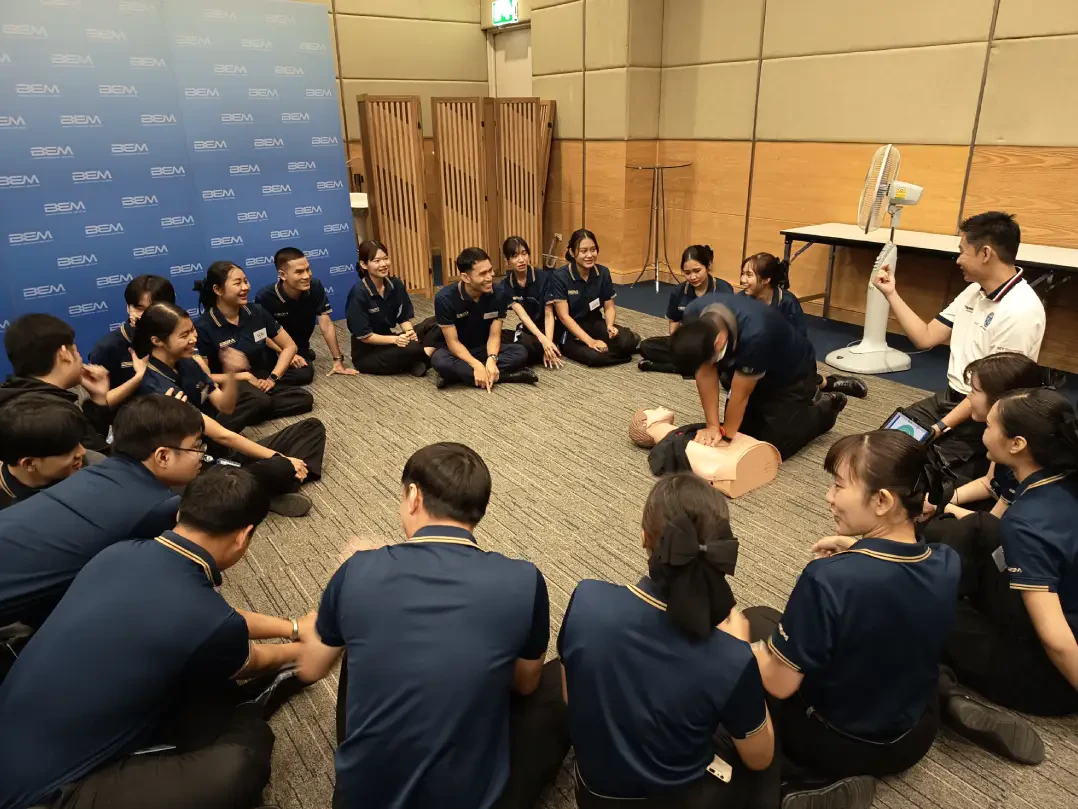
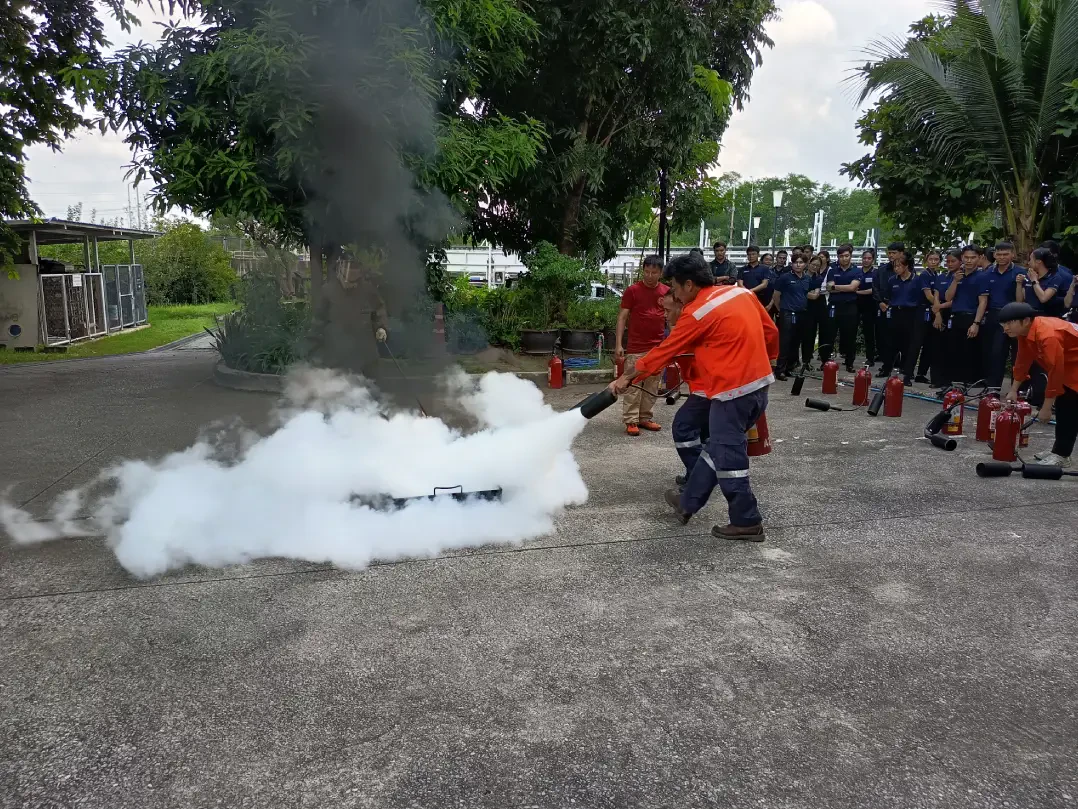
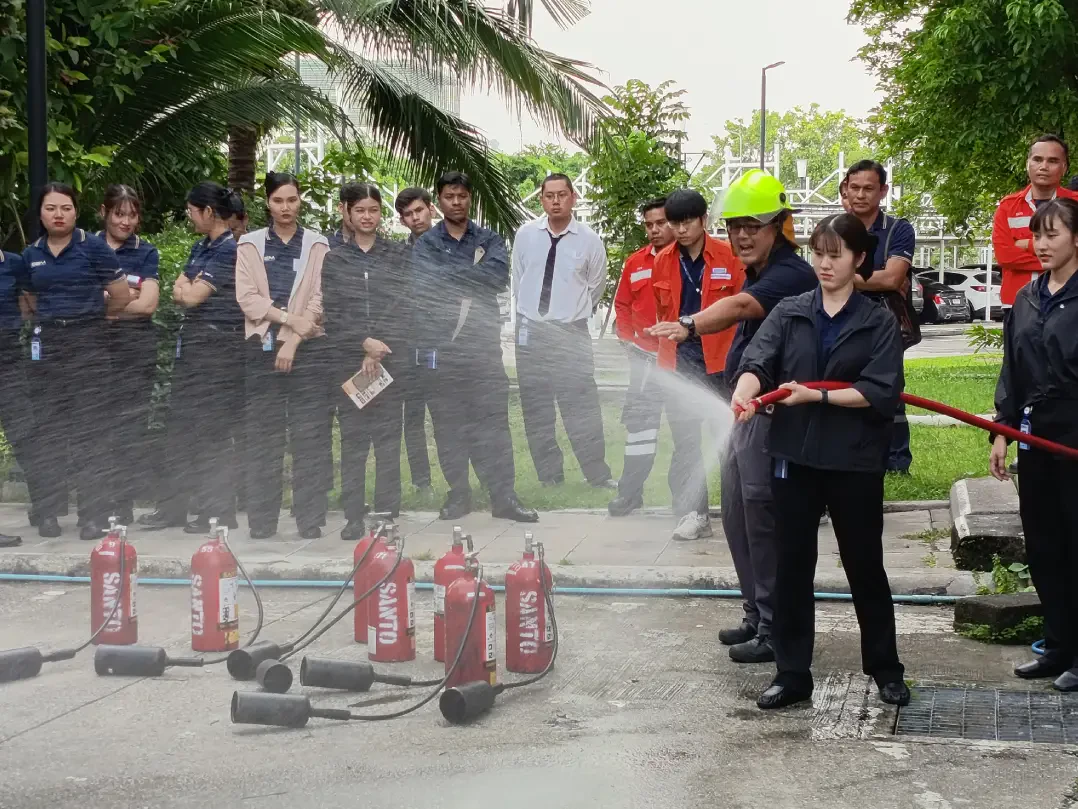
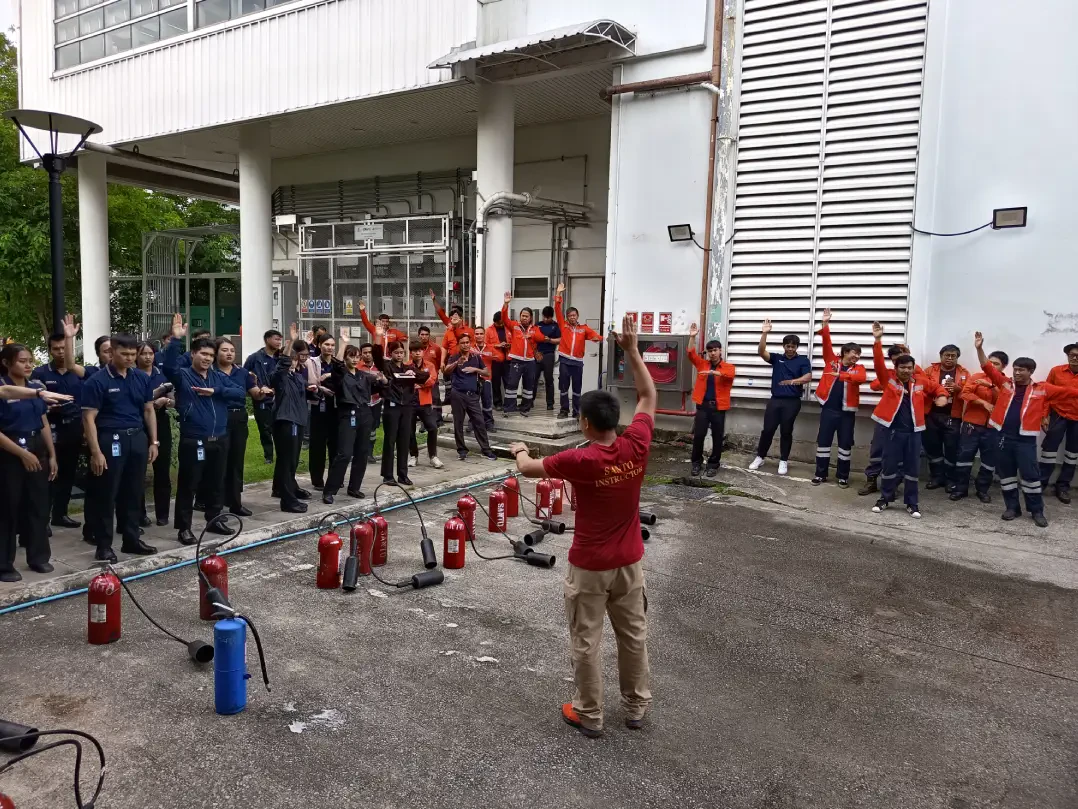
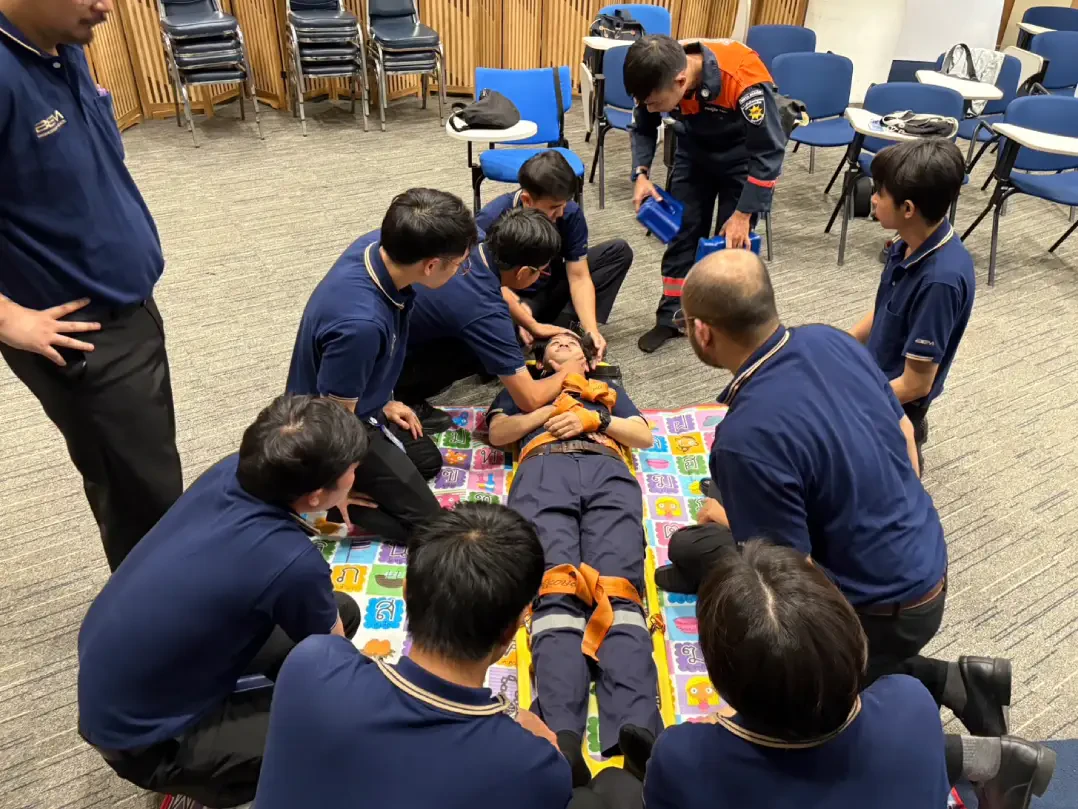
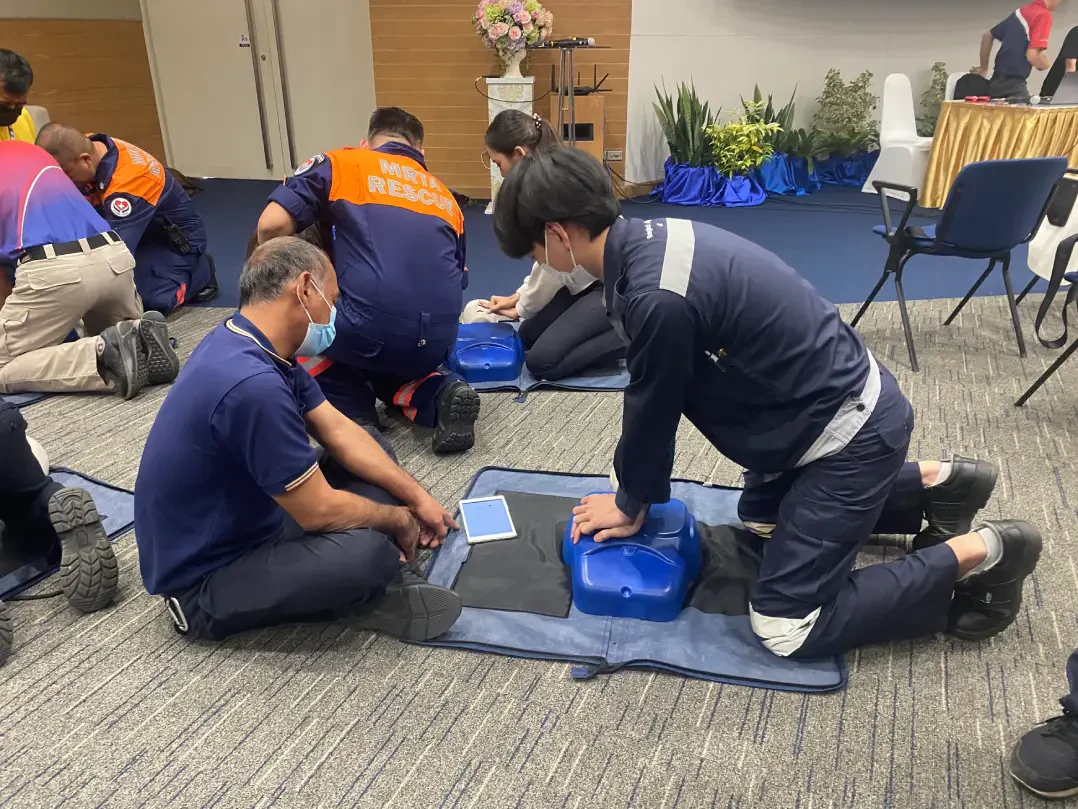
BEM emphasizes participation and the promotion of an occupational health and safety culture among employees and contractors through communication and training. All employees are required to comply with operational procedures, such as the Chemical and Hazardous Substance Management Procedure and the Warehouse Management Procedure, as well as measures or guidelines to ensure occupational health and safety in the work environment and reduce risks as assessed by the Company. Furthermore, all employees must undergo mandatory basic safety, firefighting, and first aid training, with additional courses provided based on their respective responsibilities and risks, including working at heights, electrical safety and rescue procedures, and forklift operation. These ongoing communications and training initiatives are carried out continuously to ensure compliance and awareness, supplemented by an occupational health and safety culture survey conducted every three years.
In addition to ensuring workplace safety, BEM actively promotes and regularly monitors employee health to minimize potential health risks. Pre-employment health examinations are conducted to establish baseline data for the surveillance of occupational diseases and work-related illnesses, with all medical results treated as strictly confidential. Furthermore, annual health check-ups are offered to track and monitor health problems caused by both personal and work-related factors. Beyond annual health check-ups, the Company drives health public relations, wellness activities, and educational initiatives for employees and contractors regarding healthcare and the prevention of general and occupational illnesses. Furthermore, the Company arranges common relaxation areas for employees and contractors, such as sport facilities and cafeterias certified under the Bangkok Metropolitan Administration (BMA) food safety standards.

Health and Safety of Customers
The safety and health of passengers, expressway users, and customers of retail shops within the MRT stations and toll plazas are of paramount importance to the Company. Consequently, the Company implements corporate safety measures, such as communicating how to utilize system equipment, as well as publicizing rules, regulations, and emergency procedures to service users to ensure correct and safe practices. The Company also collects accident statistics from users for analysis and planning safety communications designed to shape appropriate user behavior and discourage high-risk behaviors that could cause accidents.
Furthermore, safety communication initiatives are driven through various channels, for example, organizing campaign activities within MRT stations, creating public bulletin boards at MRT stations and on expressways, advertising via digital media within MRT stations, and utilizing social media channels, such as the corporate website, Facebook, and LINE Official Account. These efforts aim to raise awareness and understanding regarding safety, appropriate and safe user conduct, best practices, and accessible channels for reporting observed incidents or potential hazards, ultimately cultivating a robust safety culture.





BEM promotes and enhances the capabilities of employees involved in customer service, security, and rescue operations by providing essential first-aid equipment to ensure effective assistance and compliance with safety procedures. Furthermore, the Company conducts continuous training programs, such as courses on assisting persons with disabilities, basic first aid, and emergency response.
For the expressway business, BEM has established an Expressway Control Center, where communication officers serve as intermediaries coordinating with emergency rescue units and police officers working on both the expressway and at-grade roads, providing 24-hour services to expressway users.
“Over the past year, on 28 March 2025, a severe earthquake in the Republic of the Union of Myanmar was felt across several areas in Bangkok and its vicinity. As a result, BEM temporarily suspended MRT services on that day to conduct safety inspections, addressing potential public concerns regarding the safety of the MRT Blue Line, the MRT Purple Line, and all three expressway routes under the Company’s management, namely the Si Rat Expressway (Second Stage Expressway), the Udon Ratthaya Expressway, and the Prachim Ratthaya Expressway. The Company conducted inspections of operational readiness and structural integrity across both the expressway and rail infrastructure, as well as assessments of system functionality and rolling stock readiness. The results confirmed that all systems were in good condition, safe, and ready to resume normal operations. All infrastructure systems have been designed and constructed in accordance with seismic safety standards to withstand earthquakes and are subject to continuous inspection and maintenance to ensure the continued safety of both expressway users and passengers.
On 5 September 2025, an incident occurred where floodwater entered the MRT Thailand Cultural Centre Station. The root cause was identified as external construction work on a connecting structure between an office building and the station, which involved creating temporary ventilation openings on the tunnel roof at street level. During heavy rainfall, significant rainwater accumulation caused flooding on Ratchadaphisek Road, allowing water to flow through these temporary openings into the station. The Mass Rapid Transit Authority of Thailand (MRTA), the Company, and relevant agencies promptly implemented urgent mitigation measures to resolve the issue, enabling normal services to resume. All MRT stations are designed and constructed in accordance with international standards, with comprehensive flood prevention and emergency response systems in place. The Company is also continuously enhancing its safety measures to foster long-term confidence among passengers and the public. This incident was entirely unrelated to the structural design of the station.”