

Human Capital Development


Goal 4:

Goal 5:
Goal 8:
Goal 10:
Management Guidelines and Practices
One HROD (Human Resource and Organization Development) is BEM's human resource management system to support and align human resource management
starting with recruiting, determining remuneration, defining procedures, developing capacity, evaluating performance, planning and reviewing internal communications, and reviewing training curriculum to ensure consistency and suitability to the line of work and enhance abilities.
Impact on Business and Stakeholders




BEM realizes that employees are important in driving the Company to achieve its targets. They are also a major contributing force to the Company's growth in conducting business efficiently and creating continuous growth by rendering maximum customer satisfaction and generating appropriate returns for investors and shareholders. Therefore, the Company places importance on human resource management to empower employees with proper skills, knowledge, and abilities to perform their tasks, as well as capacity and preparedness for business growth and changing work styles to keep up with changes in technology and innovation. This will promote the Company's competitiveness and stable growth in the long run. The Company encourages employees to develop their potential. It incentivizes employees to work and grow in their careers to retain high-quality employees and reduce the rate of talent loss. Nevertheless, improper labor practices may negatively impact the Company's image and affect employees' decisions to work with the Company, which may lead to other undesirable consequences.

Commitment, Challenges and Opportunities
BEM has established human resource policies and strategies aligned with the organization's management direction to enable the Company to operate according to its objectives and targets and be a leading, fully-integrated transportation service provider in Thailand and ASEAN by its vision.
Such an effort also accommodates the challenges of an increasingly complex business environment, which poses difficulties in implementing strategies to drive the organization to its full efficiency in terms of recruitment, retention, and employee development. BEM emphasizes cultivating a robust BEM Culture within the Company, aligning with its vision, mission, and strategy to shape employees' attitudes. The Company stresses respect for physical and generational diversity while considering compensation and welfare that provide employees with suitable and equitable benefits. This approach enhances competitiveness in the labor market, fosters employee engagement, and mitigates employee turnover rates.
An essential mission is the regular capacity development of all employees to enable excellent performance. The Company thus implements career path management covering all lines of work, which not only boosts employees' work efficiency but also bridges competency gaps, raising the standard of working for the Company. This is a worthwhile investment for employees and increases the Company's business competitiveness while creating a future that allows employees and the Company to grow together.

Targets and Performance Indicators

Employee Participation Rate in Engagement and Happiness Survey
Targets
2025 Performance

Employee Engagement and Happiness Score
Targets
2025 Performance

Average Employee Training Hours
Targets
2025 Performance
Policy and Practices
BEM has established its Personnel Development Policy and Practices to serve as guidelines for recruiting, developing, and retaining employees, based on the principles of respect for labor rights, fairness, and appropriate treatment. The objective is to cultivate a working environment that is suitable, safe, and conducive to employee well-being. Competitive compensation and benefits are provided, considering job characteristics, responsibilities, and performance, under the principle of Equal Pay for Equal Work. Furthermore, continuous development and training are supported both domestically and internationally, alongside the promotion of occupational safety awareness.
Employees are encouraged to maximize their potential along their career advancement paths through a human resource management system based on fairness and equality. BEM provides appropriate channels for employee engagement, allowing the workforce to communicate opinions or work-related feedback, while simultaneously boosting morale and enhancing overall quality of life. This comprehensive approach aims to retain high-potential personnel, strengthen organizational engagement, and support the Company’s stable and sustainable long-term growth.
In addition, in 2025, BEM formulated and implemented its Employment and Labor Management Policy and Practices in strict accordance with international human rights standards. This framework is rooted on the principles of fairness, equality, and non-discrimination on the grounds of race, nationality, ethnicity, color, ancestry, religion, social status, age, gender, sexual orientation, disability, political opinion, marital status, or any other differences. Under these guidelines, recruitment and hiring decisions are strictly merit-based, focusing on qualifications, capabilities, and experience relevant to the position. The Company strictly prohibits any discrimination against applicants for reasons unrelated to job performance, thereby cultivating a professional and sustainable working environment. The practices also comprehensively address standard working hours, child labor, female labor, forced labor, compensation and benefits, and provident fund management.
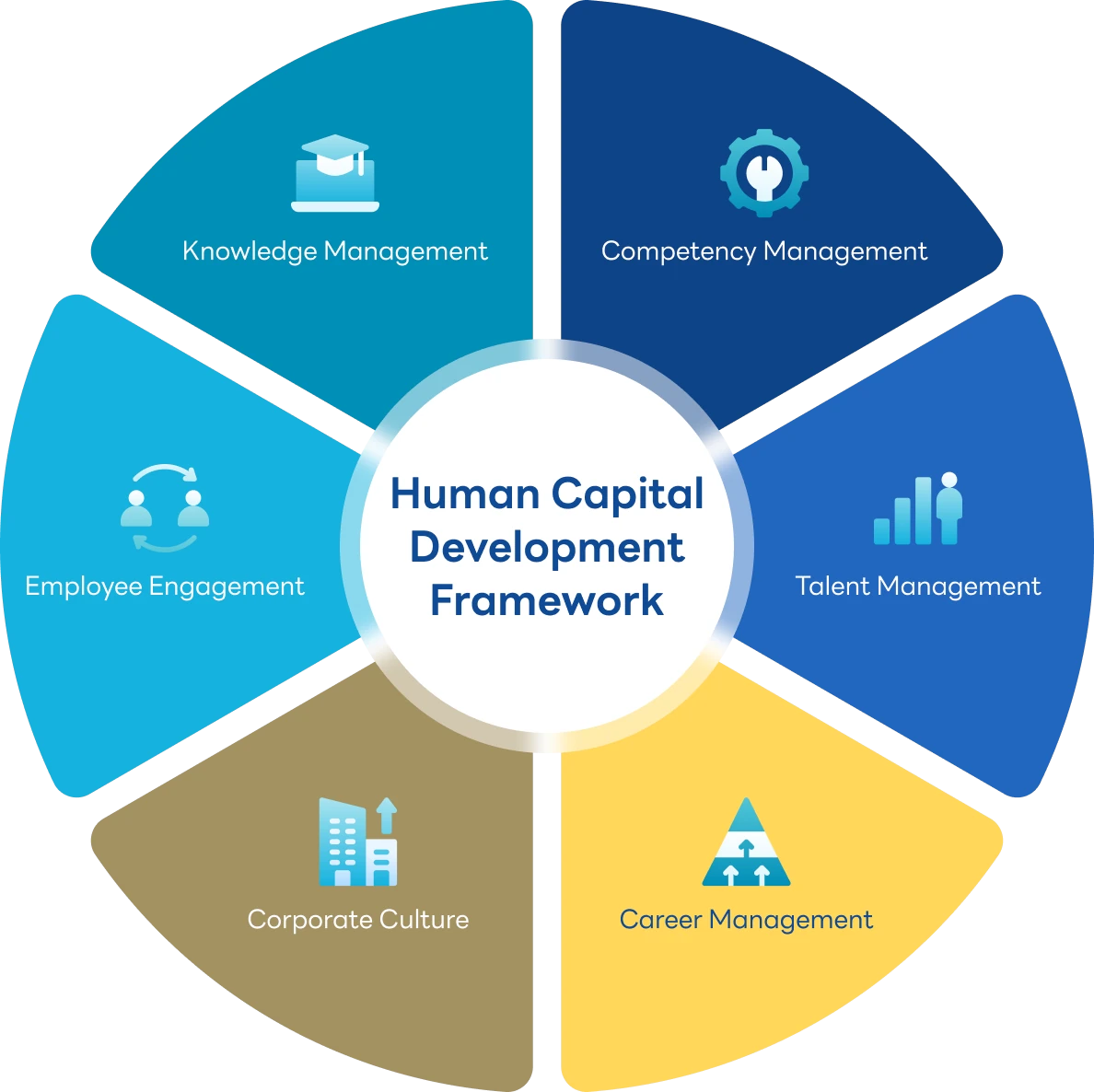
Human Capital Development Framework
BEM has continuously implemented a comprehensive six-pillar Human Capital Development Framework to serve as its core operational foundation. This framework encompasses:

Human Resource Management Strategy
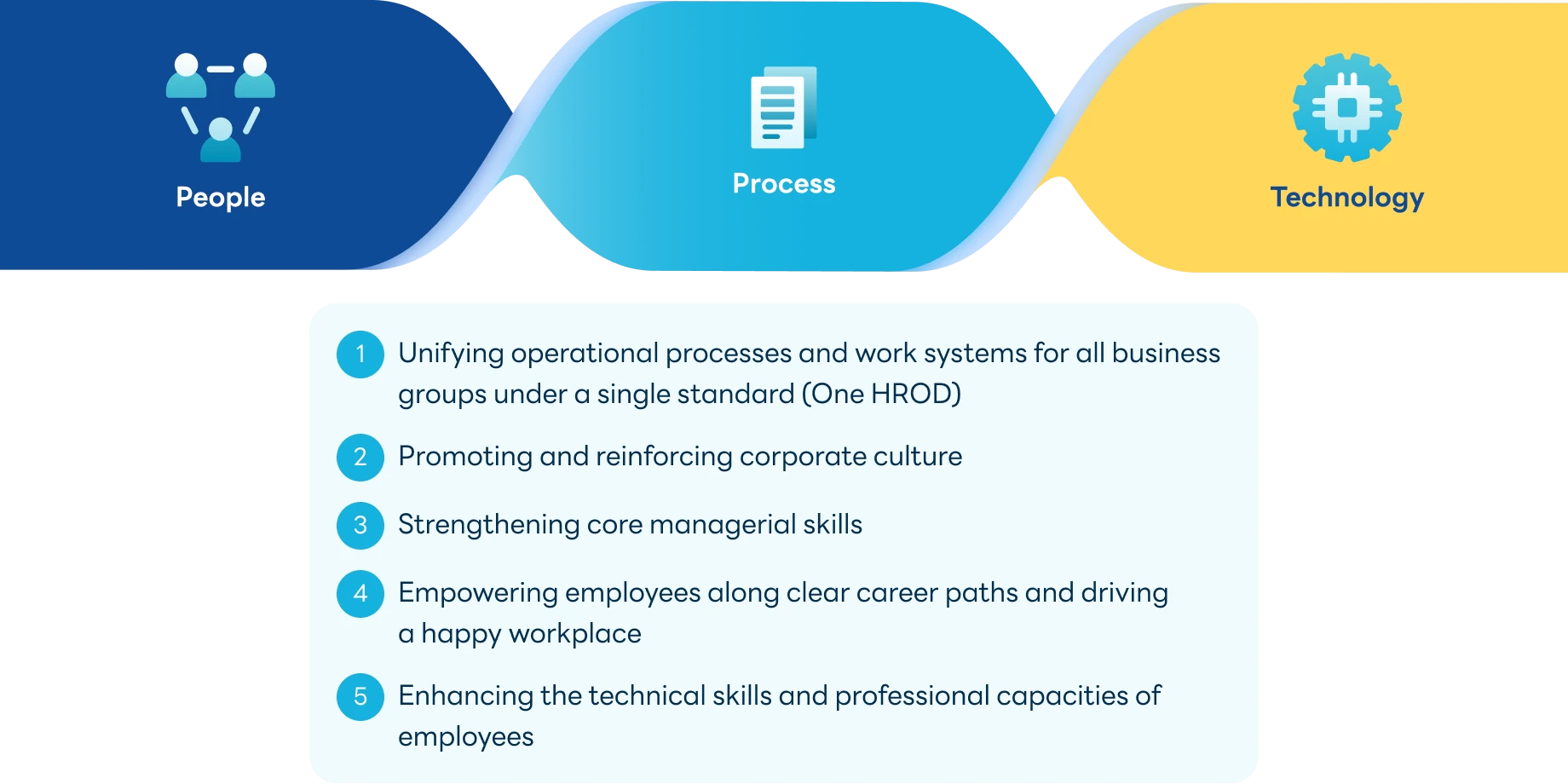
In 2025, BEM reviewed and defined its Human Resource Management Strategy (2024-2028) to bolster both present and future corporate competitiveness. By aligning human resource strategic guidelines with organizational management directions, the Company established concrete action plans and corresponding sub-plans to enable comprehensive human resource management and development.
This strategic plan serves as a vital vehicle for cultivating and advancing the capabilities of personnel, operating on five core principles driven by three strategic enablers: People, Process, and Technology, to effectively support business execution and drive sustainable growth.
Employee Capability Development
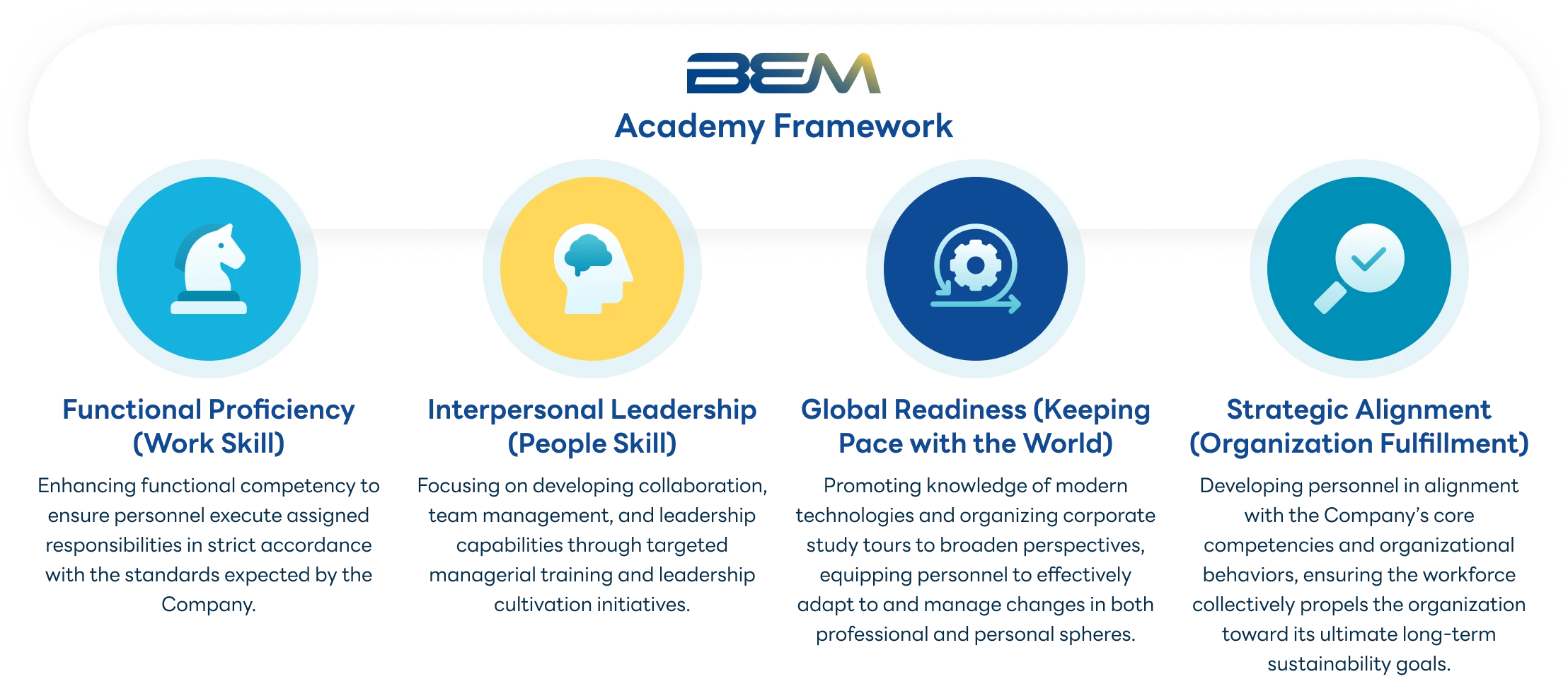
Recognizing employees as a crucial driving force behind business execution, BEM places great importance on continuously developing the capabilities of personnel at all levels in alignment with the corporate capability development plan. To effectively accommodate business expansion and navigate industry changes, the Company formulates comprehensive training and development plans for the entire workforce under the “Academy Framework.” This framework consists of specialized curricula directly related to functional operations, supplemented by mandatory annual refresher training programs designed to consistently reinforce employee knowledge and skills.
Human resource development within the Company is executed in strict accordance with its Personnel Development Policy, which comprises four primary dimensions:
In order to optimize the efficiency of capability development and achieve a clear operational direction, BEM has created a Training Matrix that is consistent with the competencies, knowledge, and skills of each functional group and organizational structure.
BEM also conducts competency gap analyses to identify training needs and support the preparation of Individual Development Plans (IDPs), which are aimed at enhancing employees’ knowledge, capabilities, and skills in line with their job responsibilities. These IDPs serve as a guideline for organizing employee training and development to provide knowledge, understanding, and skills while increasing operational capacity to meet corporate demands. The training curriculum undergoes a comprehensive review at least every two years or upon organizational restructuring. This process encompasses specialized professional courses, regulatory compliance training, and skill development programs to ensure that personnel received modern, up-to-date instruction tailored to their roles, line of work, and the Company’s business operations.

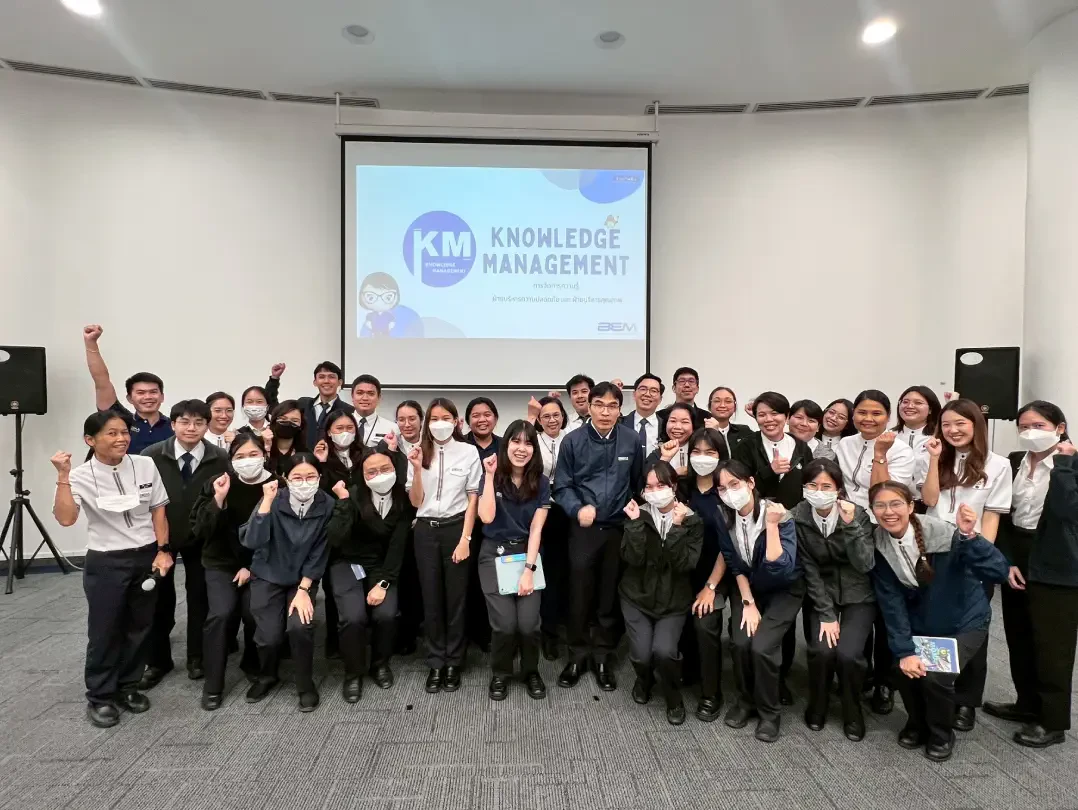
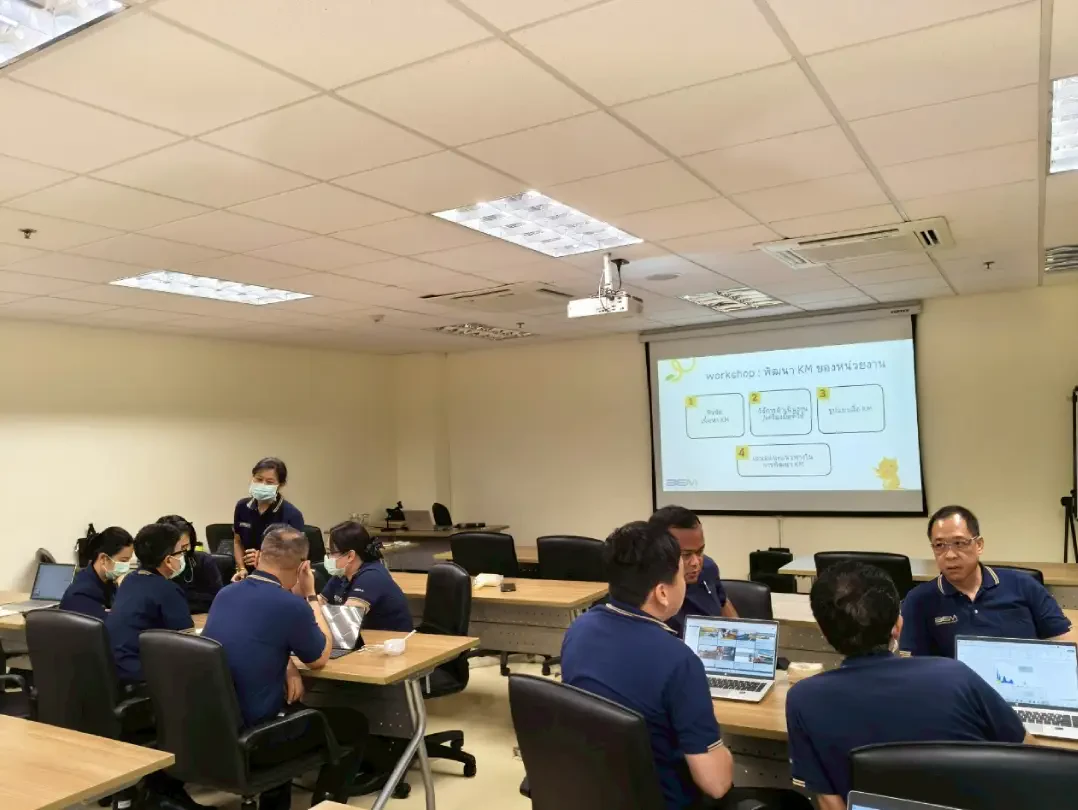
In 2025, BEM continuously developed its internal Knowledge Management (KM) system
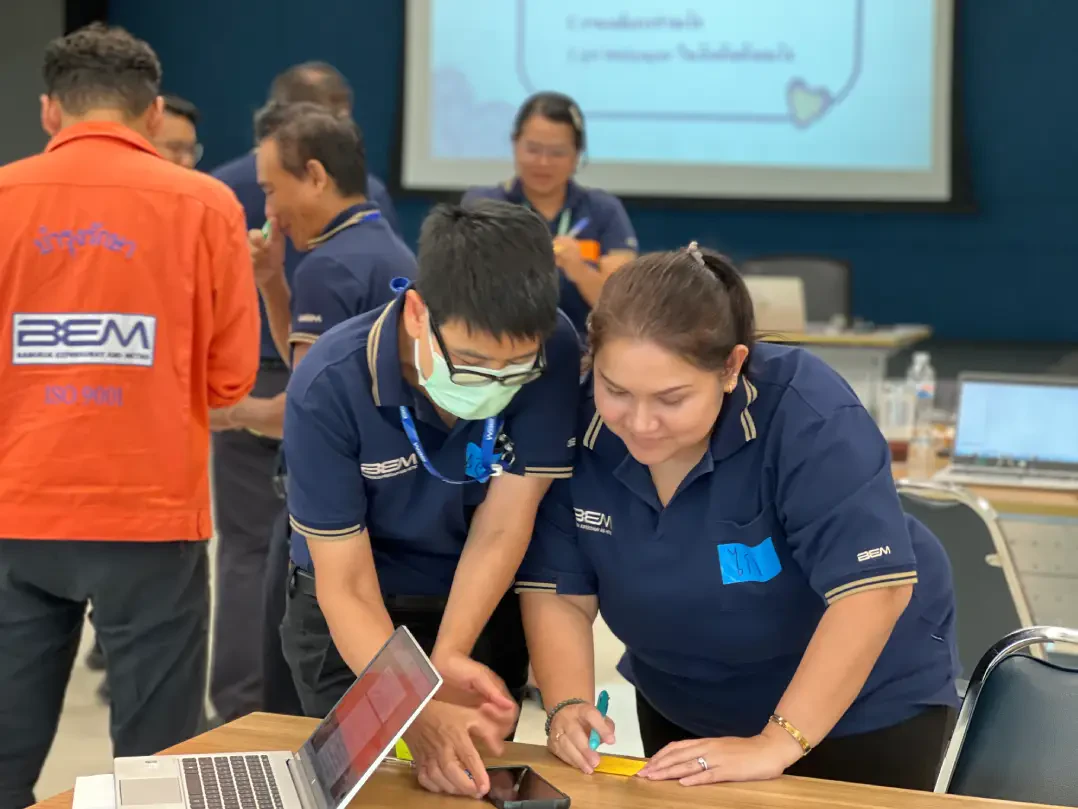
In 2025, BEM continuously developed its internal Knowledge Management (KM) system by organizing interactive workshops across all departments and encouraging employees to participate in knowledge and experience sharing, as well as providing feedback on internal knowledge within their units. These efforts aimed to foster a tangible learning culture throughout the organization, ultimately transforming the Company into a true Learning Organization.
Furthermore, BEM encourages employees at all levels to continuously develop their capacities for learning, innovation, and knowledge sharing. This fosters organizational agility amidst change and supports long-term sustainable growth. The Company actively promotes cross-functional learning through the internal Knowledge Management (KM) Website, which serves as a platform for employees across functions to access and exchange knowledge from different departments. This initiative supports more effective collaboration while strategically contributing to improved work quality, productivity, and customer satisfaction.
Ultimately, expanding employee capabilities and knowledge equips the workforce with knowledge, expertise, and job-related skills, operational expertise, and familiarity with emerging technologies or modernized processes that optimize efficiency. This systematically boosts employee confidence, unlocks clear opportunities for career advancement, and reinforces a deep sense of personal value and organizational contribution, thereby strengthening employee retention. Additionally, personnel development enhances the Company’s ability to address new challenges and adapt to changes in the industry and technology, while helping reduce turnover, recruitment expenses, and long-term operational costs by minimizing workforce errors. Therefore, human capital development remains a critical cornerstone to support business operations and secure the organization’s long-term sustainability.
Corporate Culture
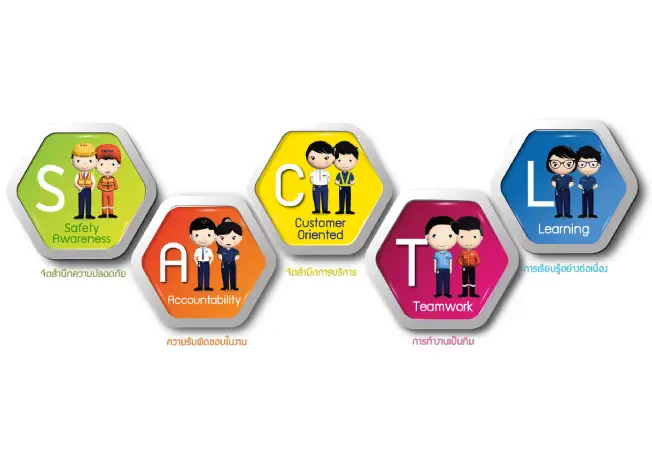
In 2025, BEM remained steadfast in driving its corporate culture initiatives, recognizing that a strong organizational culture serves as the core foundation for aligning the Company’s targets into a single, cohesive vision and steering all employees toward shared objectives. It is also essential in driving the organization forward with stability and sustainability. The Company has established the S A C T L corporate culture framework, comprehensively covering Safety Awareness, Accountability, Customer Orientation, Teamwork, and Learning as follows:
"Cultivating Safety Awareness, Demonstrating Accountability, Delivering Service Excellence, Embracing Teamwork, and Inspiring Lifelong Learning."
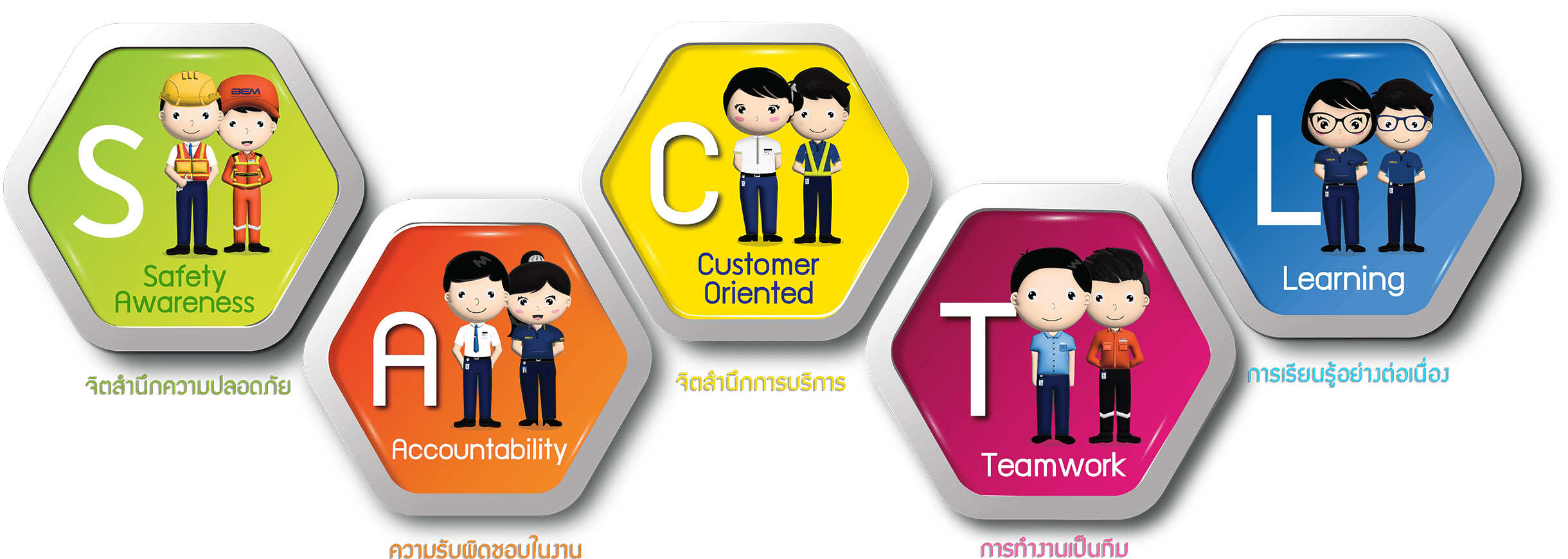
Developing human resources using the SACTL principle helps promote employee safety awareness, accountability, customer orientation, teamwork, Learning, and self-development for improved professionalism within the company.
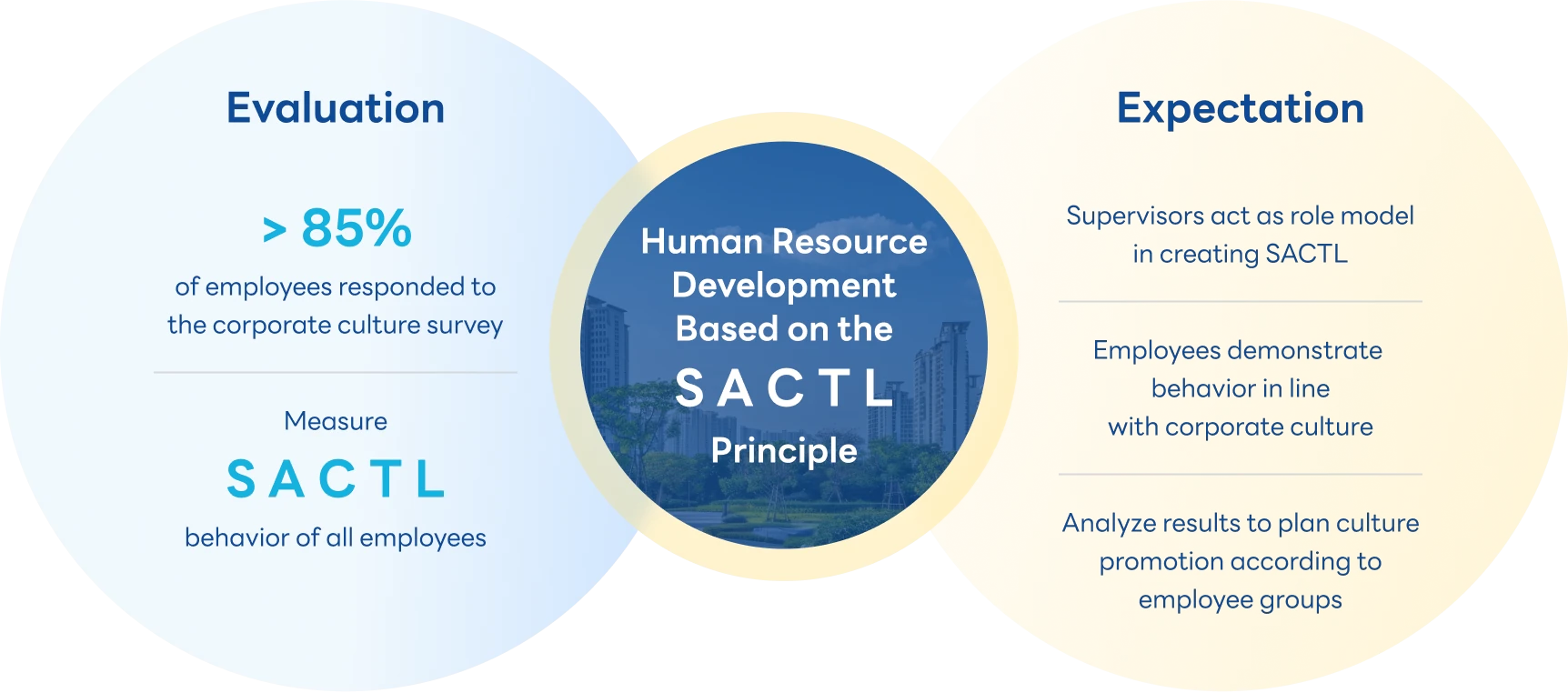
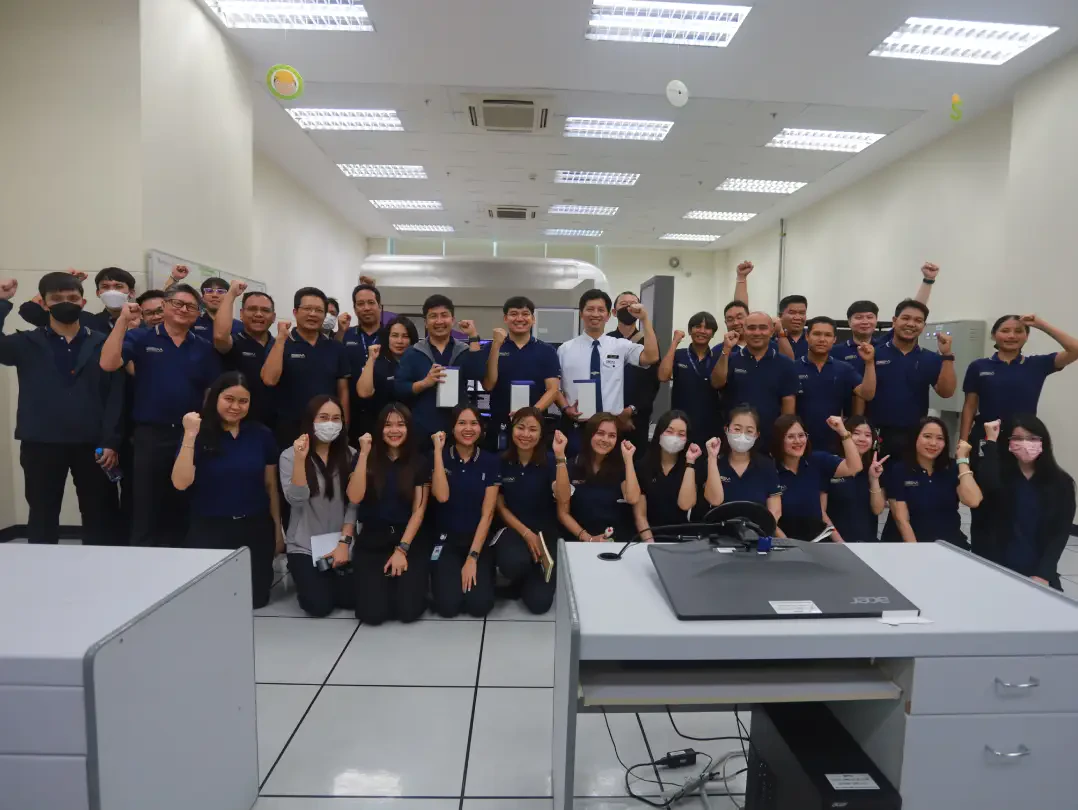
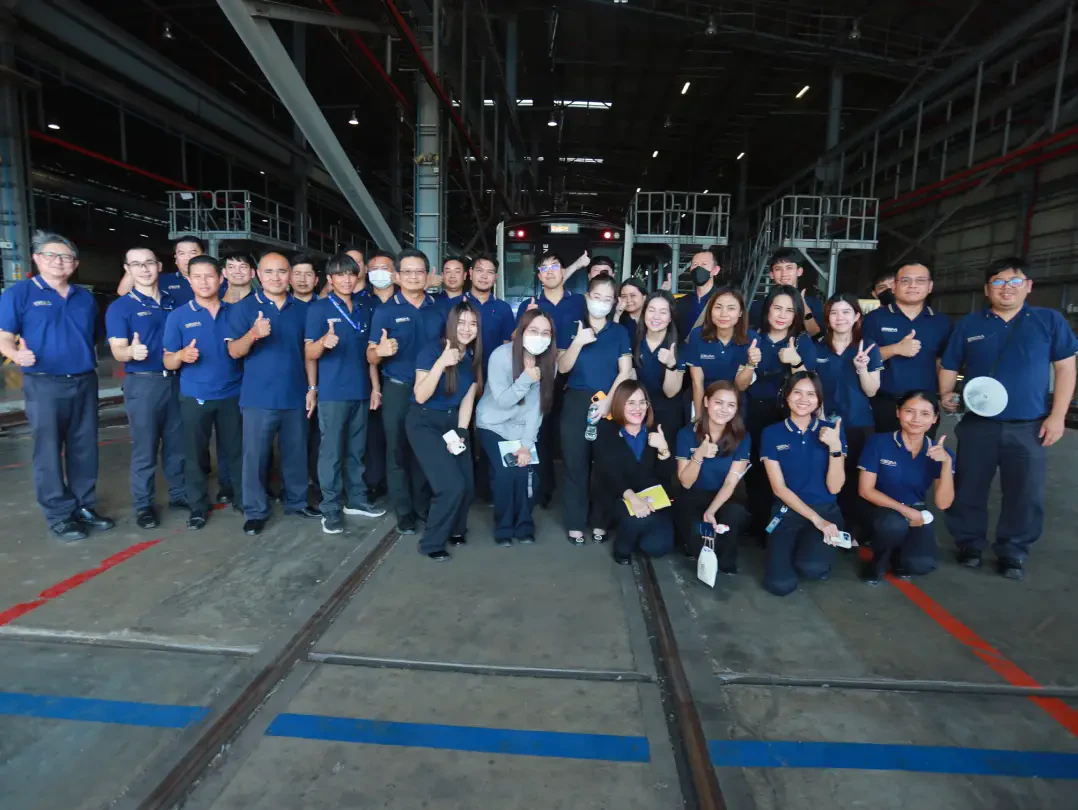
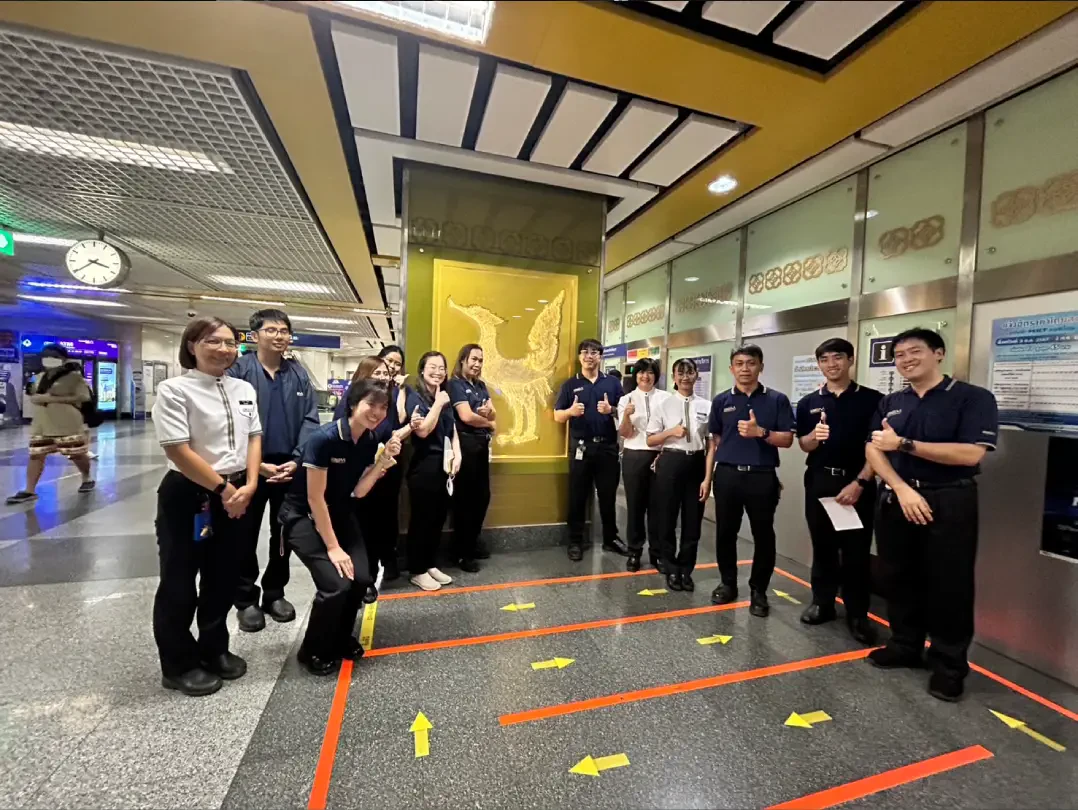
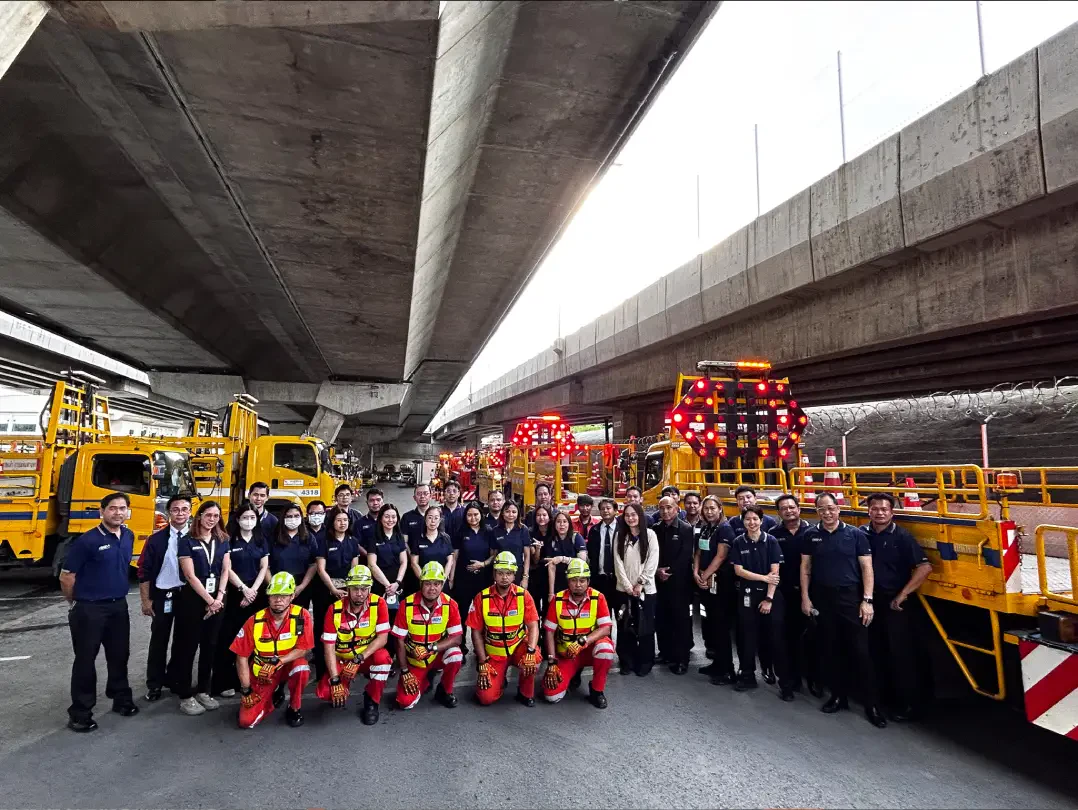
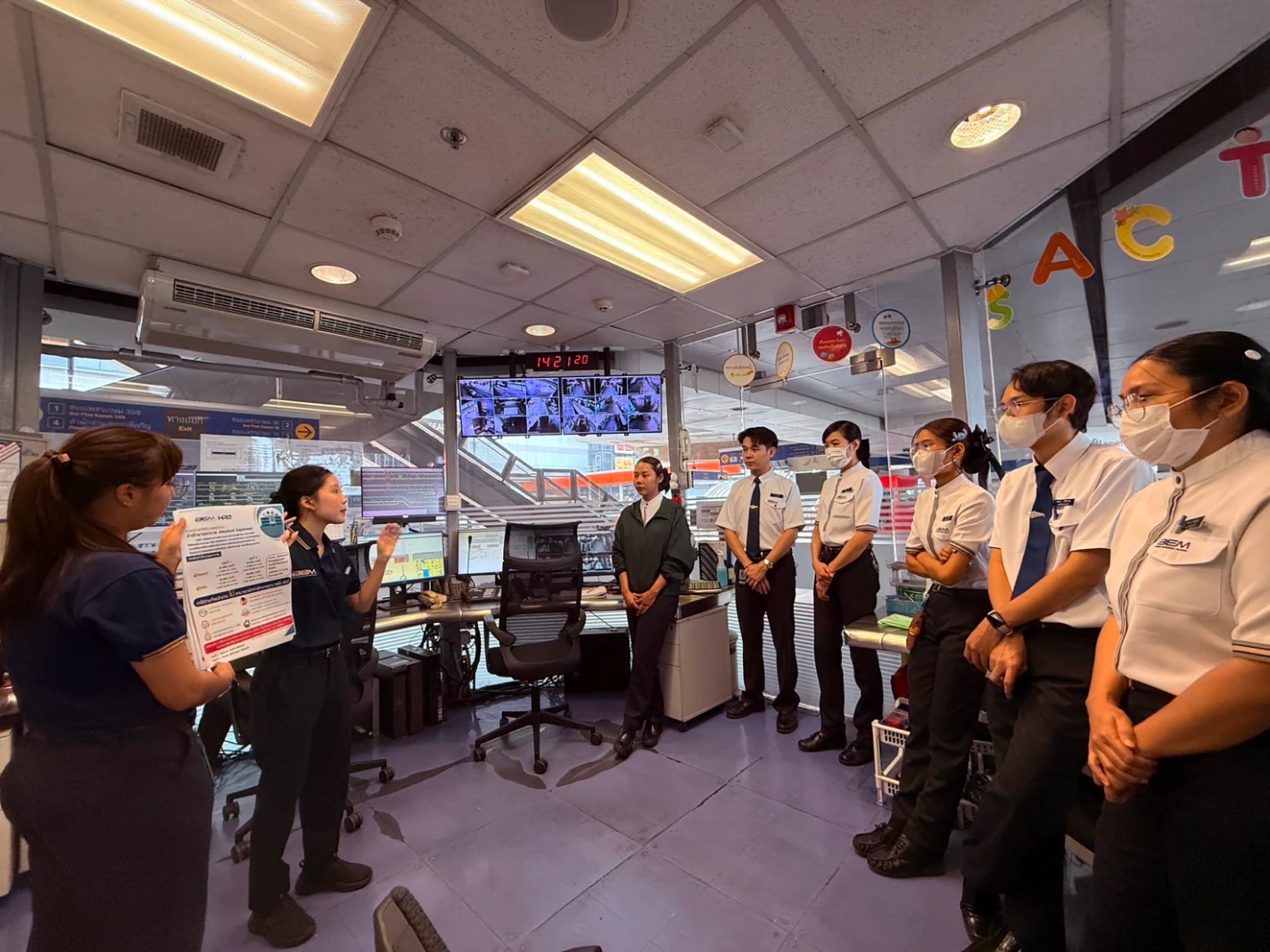
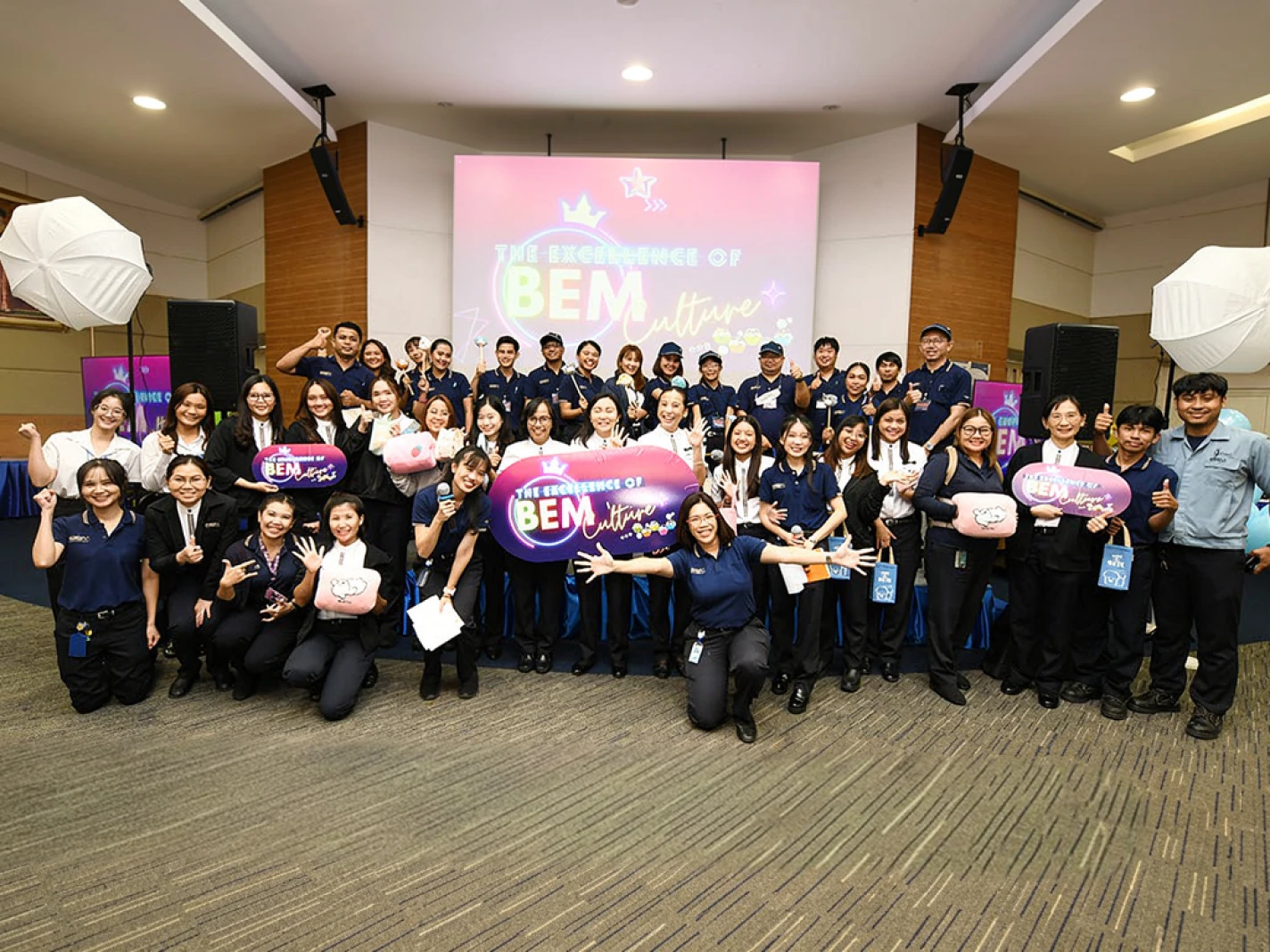
BEM is committed to continuously building a strong corporate culture by establishing the iCulture Team, which consists of representatives from each department. This team serves as a key driving force in communicating and encouraging employee participation in creative corporate culture-building activities. The iCulture Team convenes bimonthly to exchange perspectives, gather feedback, and refine initiatives so they align with the specific operational contexts of the workforce. This encompasses various activities such as S A C T L in Action, where employees collaborate with supervisors to define desirable work behaviors aligned with the corporate culture, which are then communicated through operational manuals. The Company also offers the “BEM Culture Role Model” training course for supervisors to cultivate exemplary leadership, alongside the “S A C T L in You” course designed to educate and instill behaviors that embody the corporate culture.
Additionally, internal communication is strengthened through the S A C T L talk by Leaders’ poster campaign and digital channels like the HR4U Channel. Engaging programs such as “1 Question, 3 Seconds – Can You Handle It?” are strategically designed to stimulate employee understanding of S A C T L, while creative storytelling initiatives like “P’ Nerd and Nong Note’s Journey” effectively communicate culture-compliant work behaviors across departments.
BEM promotes experiential learning through online and on-site gamified activities organized throughout the year, ensuring comprehensive knowledge dissemination and behavioral reinforcement across all employee groups and operational areas. Concurrently, an organization-wide S A C T L culture assessment is conducted annually. The analytical insights derived from this evaluation are strategically utilized to customize cultural communication frameworks for specific employee segments and refine the Company’s next-phase strategic roadmap.
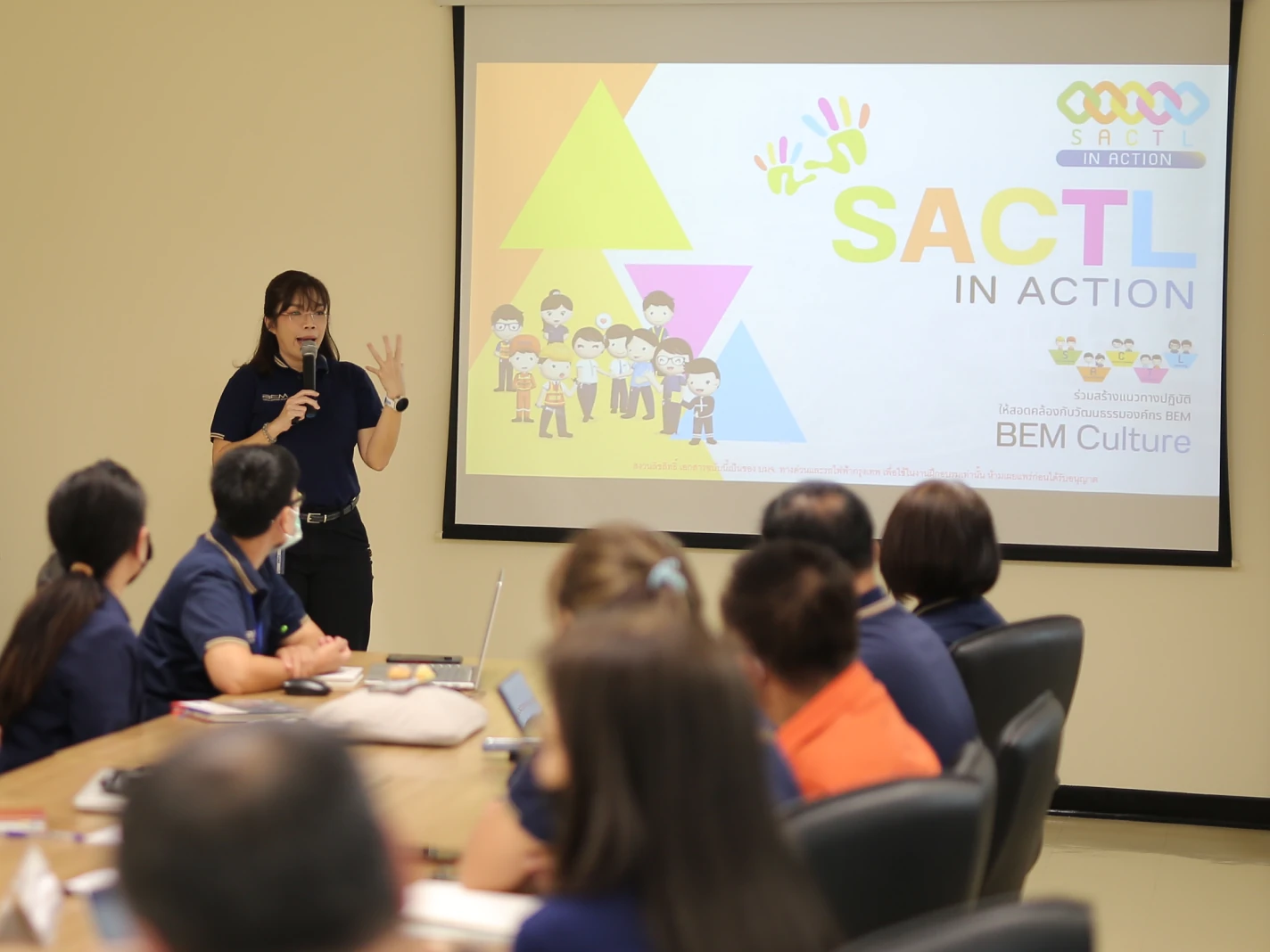
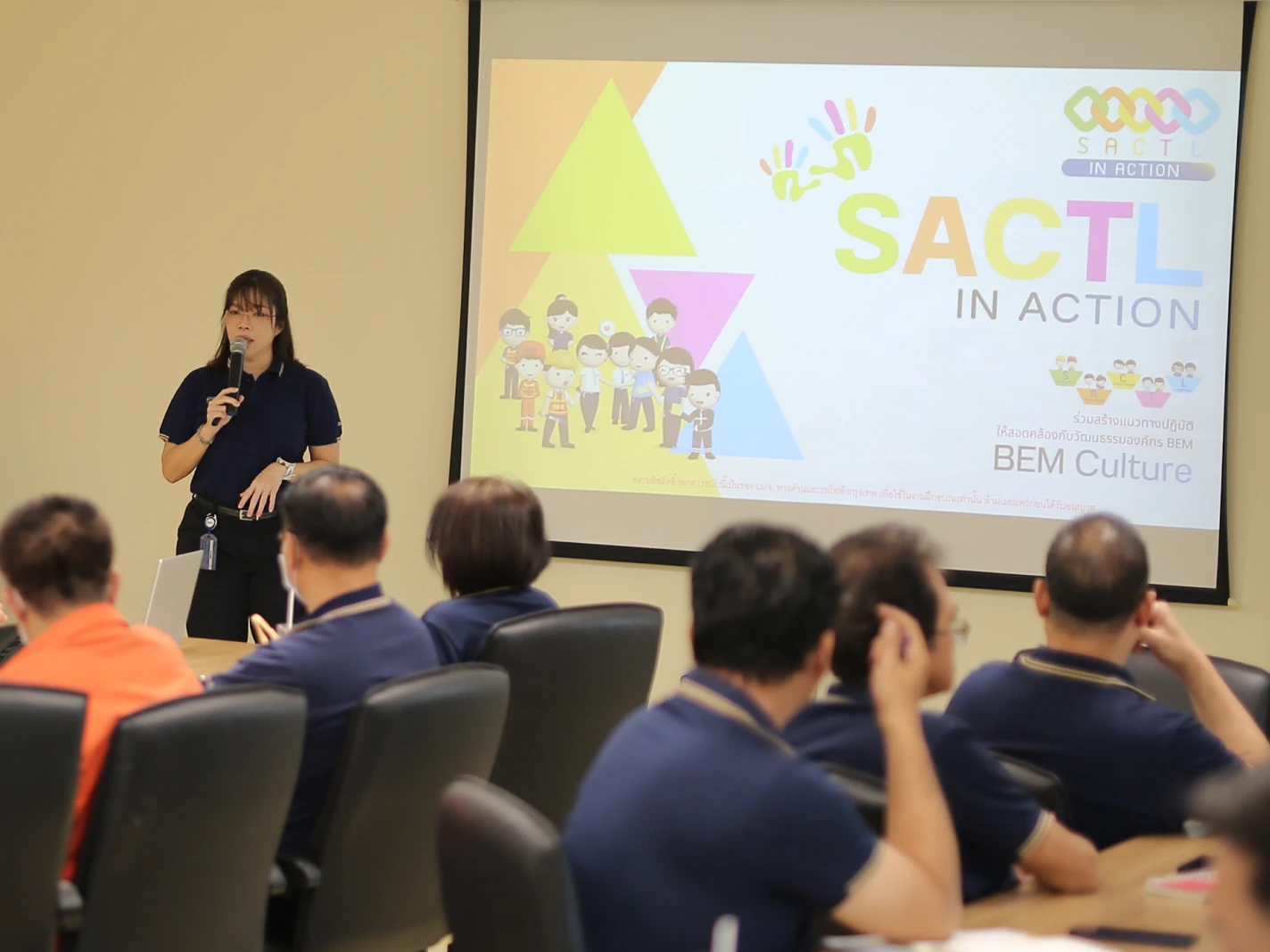
Corporate Culture Awareness
BEM conducts an annual corporate culture perception survey among employees to evaluate the workforce’s awareness, comprehension, and practical alignment with corporate culture. The Company sets clear performance targets, aiming for an employee participation rate of no less than 85% in the survey, alongside a minimum target score of 85% for employees’ awareness, understanding, and implementation of the corporate culture.

In 2025
Employee participation in the survey reached 86.42%, while the overall score tracking cultural awareness and alignment stood at 93.80%, successfully meeting and exceeding the established targets.

Corporate Culture Awareness, Comprehension, and Behavioral Compliance Score for Employees and Supervisors

Survey Respondents
Performance Appraisal
BEM conducts employee performance appraisals once a year based on a 90-degree evaluation from direct supervisors. To systematically manage personnel performance and drive sustained operational excellence, the Company implements a robust Performance Management System (PMS), utilizing team-based appraisal, and agile conversations while ensuring transparency of the appraisal criteria.
The appraisal framework evaluates successful deliverables and key performance indicators (KPIs) set under the SMART principles, covering core, managerial, and functional competencies. By incorporating the S A C T L corporate culture framework as an integral measurement criterion, the Company empowers employeesto clearly grasp their capability development pathways in alignment with the organization’s culture, grading tiers, and specific career lines.
Performance has been classified into the following five levels to facilitate improvement and development:
Outstanding
Exceed Standard
Standard Met
Require Little Supervise
Need Improvement
Apart from being used to analyze and define training programs under the “Academy Framework,” the results of employee performance appraisals are also utilized to determine remuneration, such as annual salary increases and performance bonuses. This aims to provide incentives for employees in capability development and enhance their morale and motivation.
In addition, BEM establishes a targeted, individualized approach for employees whose performance has been evaluated as “unacceptable, below standard, or needing improvement.” These employees are required to formulate a formal Performance Improvement Plan in close collaboration with their respective supervisors, establishing clear milestones to enhance their work efficiency and effectively elevate their performance to a better level.
Personnel Attraction and Retention
BEM places paramount importance on attracting and retaining employees over the long term. Through a comprehensive evaluation of management and operational risks, challenges regarding personnel quality and labor shortages related to corporate expansion were identified. Therefore, the Company has established risk management measures focusing on retaining capable employees while attracting high-potential talent to support business growth, which is a crucial factor in maintaining competitiveness and enabling the organization to achieve its goals. To support this commitment, the Company established the Human Resource Management Policy on Career Path Management to systematically guide personnel development, serving as a robust framework for all relevant executives and employees to support the organization’s development toward sustainable growth and success and has been effective since 1 October 2025.
The Human Resources and Organization Development Group, in collaboration with respective functional groups, is responsible for analyzing workforce requirements and defining competencies to ensure timely recruitment and selection of high-potential personnel in line with the Company’s needs, alongside effective workforce management. Furthermore, the Company promotes a workplace environment that respects religious diversity by standardizing guidelines for religious leave allocation and providing appropriate on-site facilities for employees to observe their religious practices. In addition, the Company has announced a Human Rights Policy strictly prohibiting discrimination based on nationality, race, religion, gender, age, physical status, or sexual orientation, thereby fostering an corporate culture that embraces diversity and enables all employees to fully realize their potential in preparation for long-term workforce readiness.

In support of diversity and inclusion, BEM actively promotes the employment of persons with disabilities, ensuring they have job opportunities, career stability, and a sustainable income to foster long-term self-reliance. In 2025, the Company employed 39 persons with disabilities through partnerships with organizations such as the Autistic Thai Foundation, the Sharing Club for Intellectually Disabled Children, and Thailand Labour with Disability Federation (TLDF).

In terms of employee retention, BEM promotes gender equality, supports work-life balance, and prioritizes workplace safety while encouraging a reduction in overtime hours and guaranteeing equal, fair compensation. Furthermore, internal mobility opportunities are actively driven, allowing employees of all age groups to transfer to suitable positions in other departments based on their knowledge, capabilities and skills. In 2025, a total of 62 employees were transferred and appointed through internal recruitment, accounting for 21.31% of vacant positions filled by internal personnel.

BEM also supports career advancement for all employees through the continuous review and development of career paths across all functional groups for both male and female employees. Furthermore, strategic preparation and development of high-potential employees and successors are implemented through Talent & Succession Management programs, enhancing the knowledge, skills, and capabilities required for their respective positions. In 2025, a total of 210 employees were promoted, comprising 119 male employees and 91 female employees, representing a promotion ratio of 56.67% male employees and 43.33% female employees, respectively.
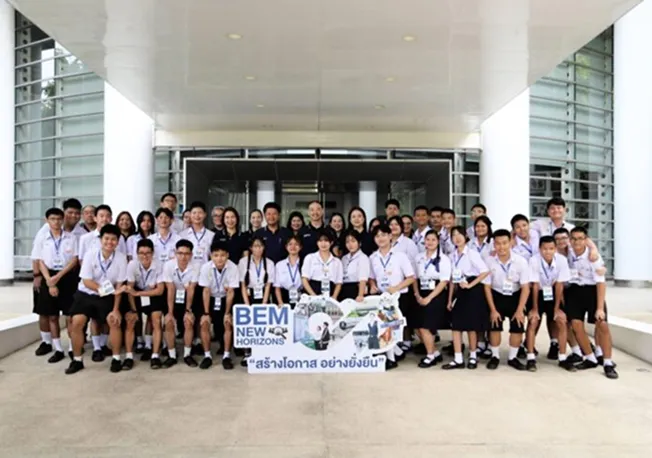
To foster youth development in 2025, BEM extended opportunities to students and youth from schools located along MRT routes by hosting the “BEM NEW HORIZONS” project for the second consecutive year. This initiative enables youth to gain practical, hands-on work experience from the station staff of the M.R.T. Chaloem Ratchamongkhon Line (MRT Blue Line), supporting their future educational and career development. A total of 30 youth volunteers participated in this project. In addition, the Company accepted 22 undergraduate students from various academic institutions and disciplines for internship programs aimed at enhancing professional skills and workplace safety awareness. This internship initiative serves as a foundational step in fostering engagement and cultivating a corporate culture that attracts high-potential new-generation talent to join and advance their careers as permanent employees, thereby ensuring long-term human resource sustainability for the Company.

Total number of new hires
Proportion of promoted employees

Male

Female

Employee Benefits, Well-being, and Working Conditions
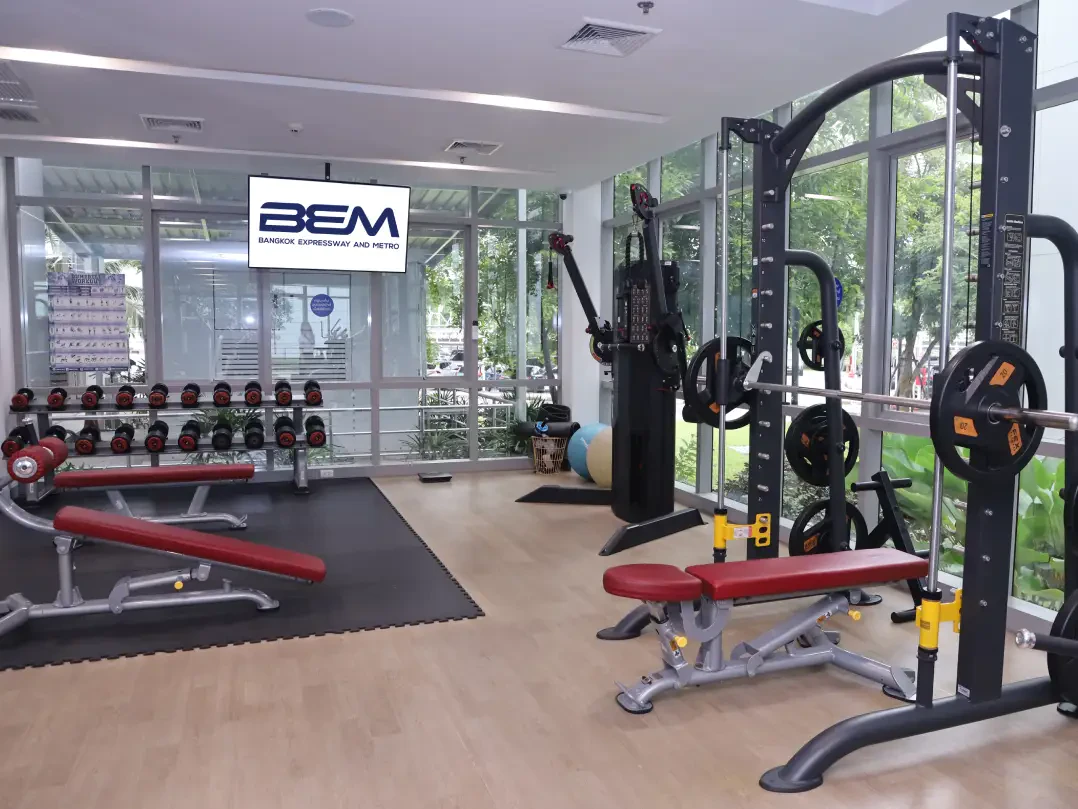
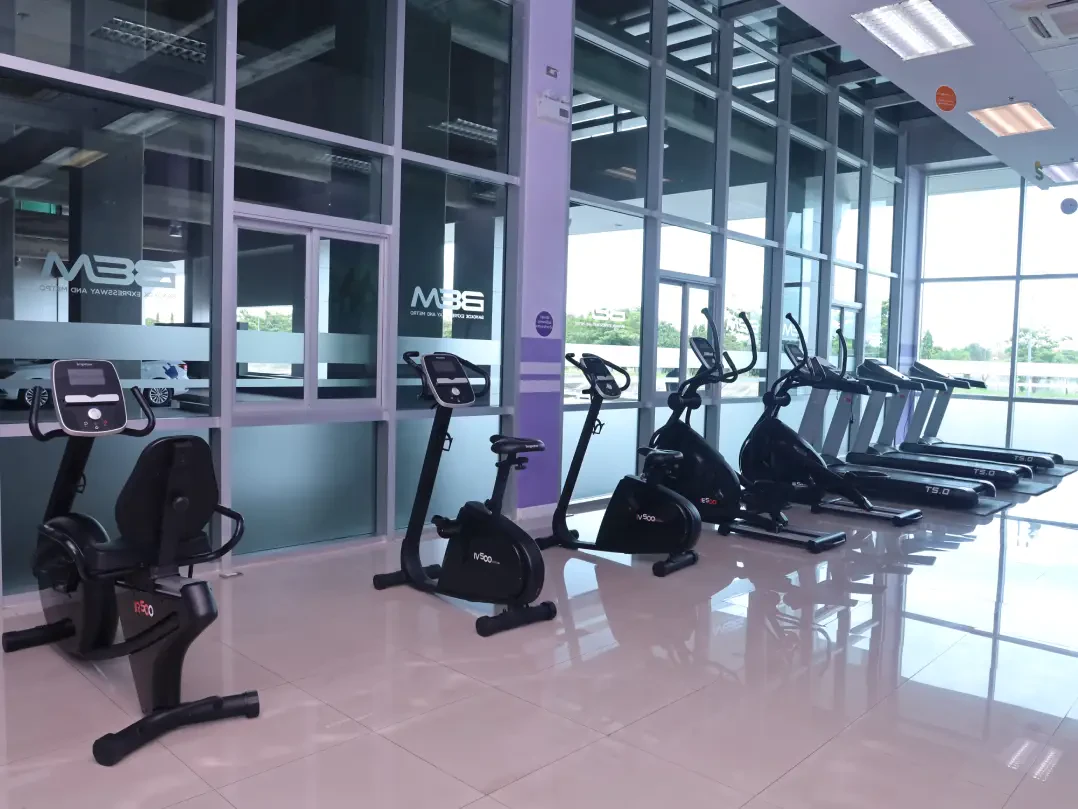
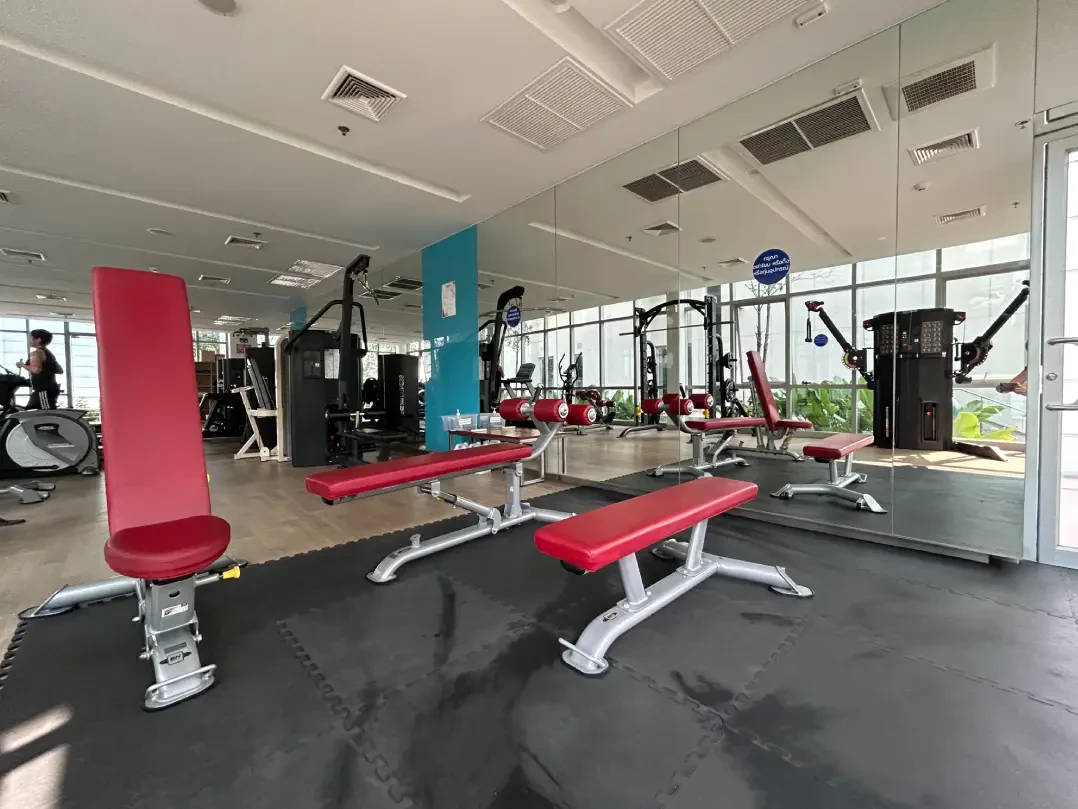
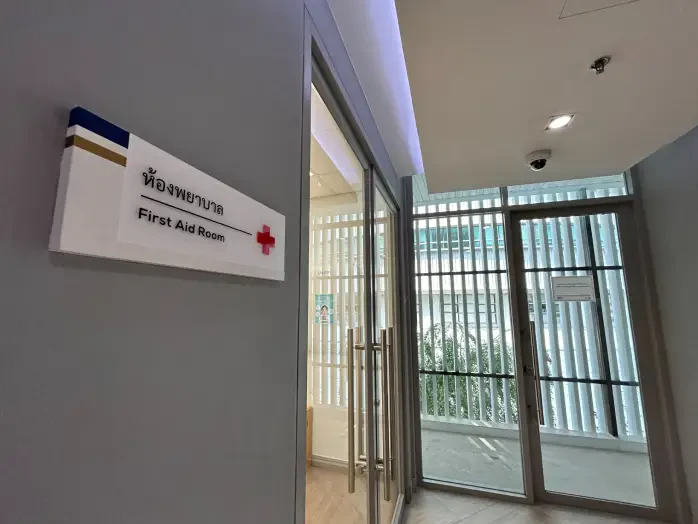
BEM is committed to ensuring a high quality of life for its workforce, fostering a positive work environment, and providing comprehensive benefits rooted in human and labor rights. These provisions consistently exceed statutory requirements to sustain market competitiveness within the industry. The array of inclusive employee benefits comprises performance bonuses, life and accident insurance, a provident fund, medical benefits, annual health check-ups, uniforms, and dormitory accommodation for night-shift personnel. Furthermore, the Company places paramount importance on physical and mental well-being by providing First Aid rooms across all operational locations for preliminary medical treatment and health consultations. Additional support includes telemedicine services, fitness rooms, and mental health care, which enables employees to access confidential online consultations with professional psychologists. To cultivate a healthy work-life balance, the Company promotes employee participation in CSR activities that contribute meaningfully to society, ultimately enhancing personal fulfillment and overall well-being.
Recognizing the fundamental importance of family stability, BEM provides extended welfare benefits to support employees' households. These family-centric provisions include marriage grants, newborn congratulatory allowances available to both male and female employees, dedicated lactation rooms, and medical expense discounts for employees and their immediate families through partner hospitals such as Praram 9 Hospital, Kasemrad Hospital, Synphaet Hospital, and Piyavate Hospital, as well as funeral assistance allowances for employees’ family members.

Concurrently, BEM has established a Welfare Committee comprised of elected employee representatives to serve as a mechanism for capturing workforce feedback, while actively encouraging the formation of various clubs to promote sports, recreation, and overall employee well-being. These initiatives not only encourage healthy lifestyles but also strengthen workplace relationships and cultivate a cohesive corporate culture rooted in unity.

Employee Engagement and Well-being
BEM consistently organizes activities and welfare programs to foster workplace happiness and enhance employee engagement through both onsite and online initiatives. The “Happy Unit Onsite” program involves direct visits to operational sites to communicate welfare benefits and corporate directions, while providing a structured platform for employees to voice suggestions and concerns. Meanwhile, the “Happy Unit Online” initiative provides knowledge-sharing opportunities through interactive quizzes, educating staff on their rights, benefits, and corporate culture. This year-round approach effectively encourages continuous learning, strengthens workplace relationships, and addresses employee feedback. For its subsidiary, BMN, the Company hosts “Happy Line Together” activities at the end of every month, enabling employees from various operational locations to connect, interact, and build rapport through recreational games and prize giveaways. Notable initiatives include the “Fit & Firm BMN Challenge,” “Step Count for Charity,” and “Happy Meal Gathering,” all of which significantly help strengthen internal relationships and reinforce a sense of belonging within the organization.
To ensure employees are well cared for and can achieve long-term mutual growth with the Company, an annual Employee Engagement and Happiness Survey is conducted. The survey results are formally presented at the HRS Weekly Meeting to collaboratively review and establish strategic guidelines for enhancing workforce engagement, satisfaction, and overall well-being.
In 2025
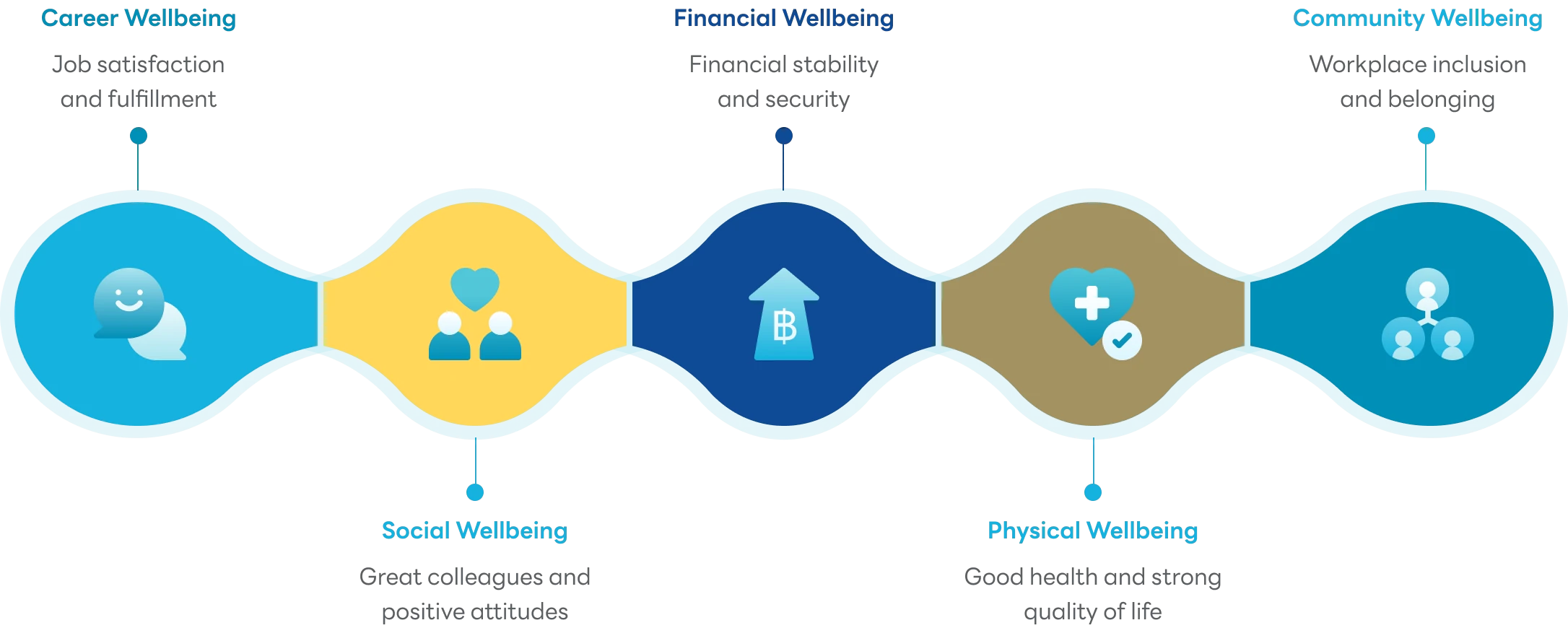
BEM launched its Employee Engagement and Happiness Survey via an online system, achieving a participation rate of 85.09% from the Company's employees. The survey framework evaluated five key dimensions: Employee Engagement, Job Satisfaction, employee Net Promoter Score (eNPS), Happiness at Work, and Well-Being. Concurrently, subsidiary employees demonstrated a 95% response rate on an online survey structured around four core areas: Employee Happiness, Personal Expectations, Job Responsibility, and Working Environment. Overall participation across the entire organization reached 85.71%, successfully meeting the established target of no less than 85%. The survey assessed specific metrics as follows:
The 2025 Employee Engagement and Happiness Survey
Revealed an overall collective score of 75.82%, successfully meeting the established target of no less than 75%. This comprised 75.21% for the Expressway and Rail Business and 84.00% for the Commercial Development Business. Survey data is analyzed annually to identify engagement and happiness trends, evaluate contributing factors, and guide the development of initiatives for the following year to further enhance employee dedication and satisfaction. Examples of improvements include streamlining repetitive work processes, enhancing the workplace environment, and refining the uniforms and professional image of operational personnel.
Furthermore, BEM comprehensively communicates the survey findings and subsequent development frameworks to the entire organization through multiple channels, including company-wide email broadcasts and targeted cascade communication led by the Assistant Managing Director of Human Resources and Organization Development Group.
In addition, in 2025, BEM recorded an overall employee turnover rate and a voluntary turnover rate of 3.34% and 2.42%, respectively, with both metrics successfully remaining within the established corporate target of no more than 5%.
| Performance Indicators | 2025 Performance | Target, by 2025 |
|---|---|---|
| Employee Engagement and Happiness : Expressway and Rail Business (%) | 75.21 | ≥75 |
|
74.67 | ≥75 |
|
78.70 | ≥75 |
|
75.36 | ≥75 |
|
74.67 | ≥75 |
|
75.54 | ≥75 |
| Employee Engagement and Happiness – Commercial Development Business (%) | 84.00 | ≥75 |
|
89.00 | ≥75 |
|
78.00 | ≥75 |
|
77.00 | ≥75 |
|
80.00 | ≥75 |
| Performance Indicators | 2025 Performance | Target, by 2025 |
|---|---|---|
| Employee Turnover Rates | ||
|
3.34 | ≤5 |
|
2.42 | ≤5 |

Personnel Development according to Professional Standards
BEM recognizes the vital importance of equipping employees with the knowledge, capabilities, and precise skills necessary to maintain safe operational standards and achieve compliance with all applicable laws. Therefore, a dedicated personnel development initiative has been implemented to ensure that personnel possess standardized qualifications and hold the requisite professional licenses essential to their respective organizational functions.
In this regard, comprehensive guidelines have been established to manage these certifications effectively. This involves identifying the mandatory professional standards required for relevant roles, compiling supporting compliance documentation, and utilizing a Professional License Matrix to cross-reference positions that strictly require licensure. This framework enables relevant stakeholders to systematically track, verify, and monitor the issuance or renewal of various certifications against the centralized Professional License Register. Employees can independently verify their qualifications and standard operating procedures through the official work instruction document regarding the issuance of operational licenses. Furthermore, personnel seeking professional registration are eligible for additional capacity -building training, fostering a systematic pathway for career advancement.
Throughout 2025
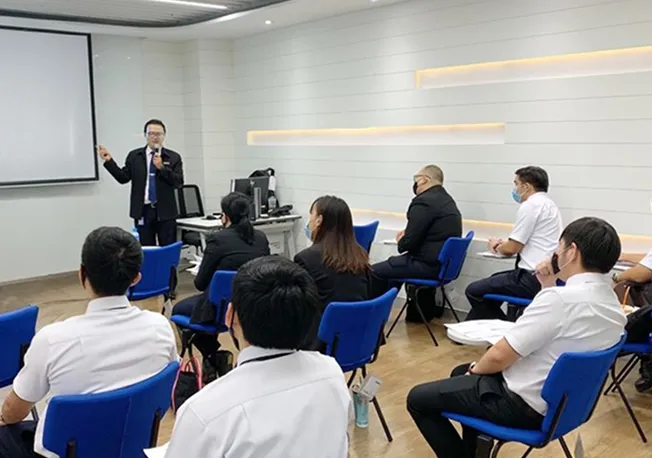
BEM continuously reviewed, evaluated, and monitored training outcomes under this professional development framework. This resulted in the deployment of 17 essential and beneficial training courses, including two newly introduced programs. A total of 535 employees successfully participated in these training sessions, significantly mitigating corporate risks associated with regulatory non-compliance and statutory violations.

Essential and Beneficial Training Courses

A total of

Human Capital Development
BEM prioritizes talent development and employee knowledge enhancement, emphasizing both holistic development and specialized skills training tailored to job roles and levels. The Company also promotes internal knowledge management and encourages the development of soft skills, particularly those related to constructive feedback and performance reflection, empowering employees to deliver their work efficiently and effectively.
BEM's training curriculum is designed in alignment with its policy of developing management skills, particularly in the areas of quality management and workplace safety, while promoting behaviors that reflect the organizational core culture (S A C T L).
In 2025
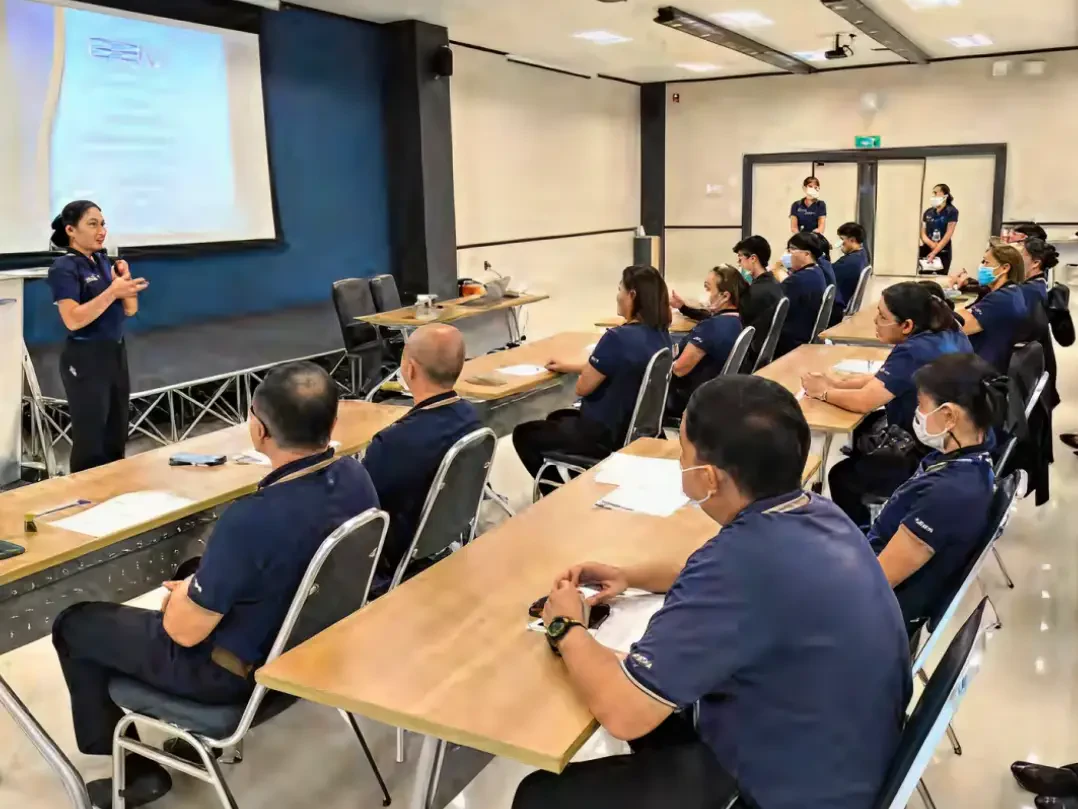
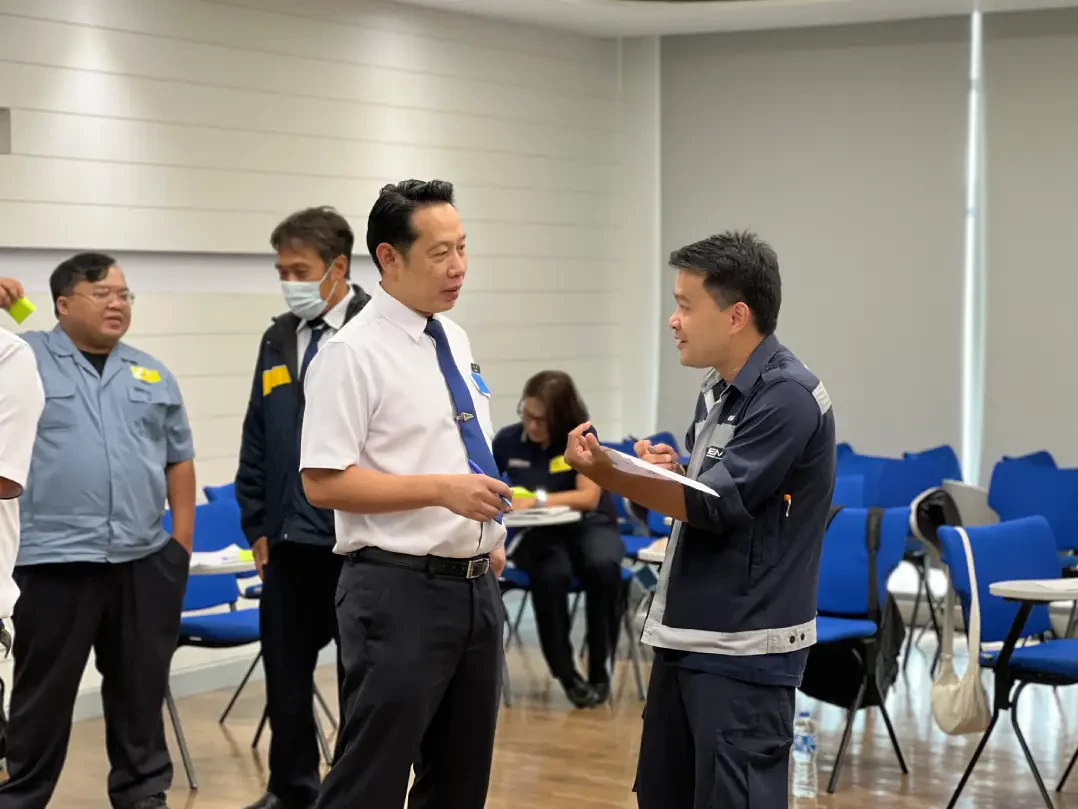
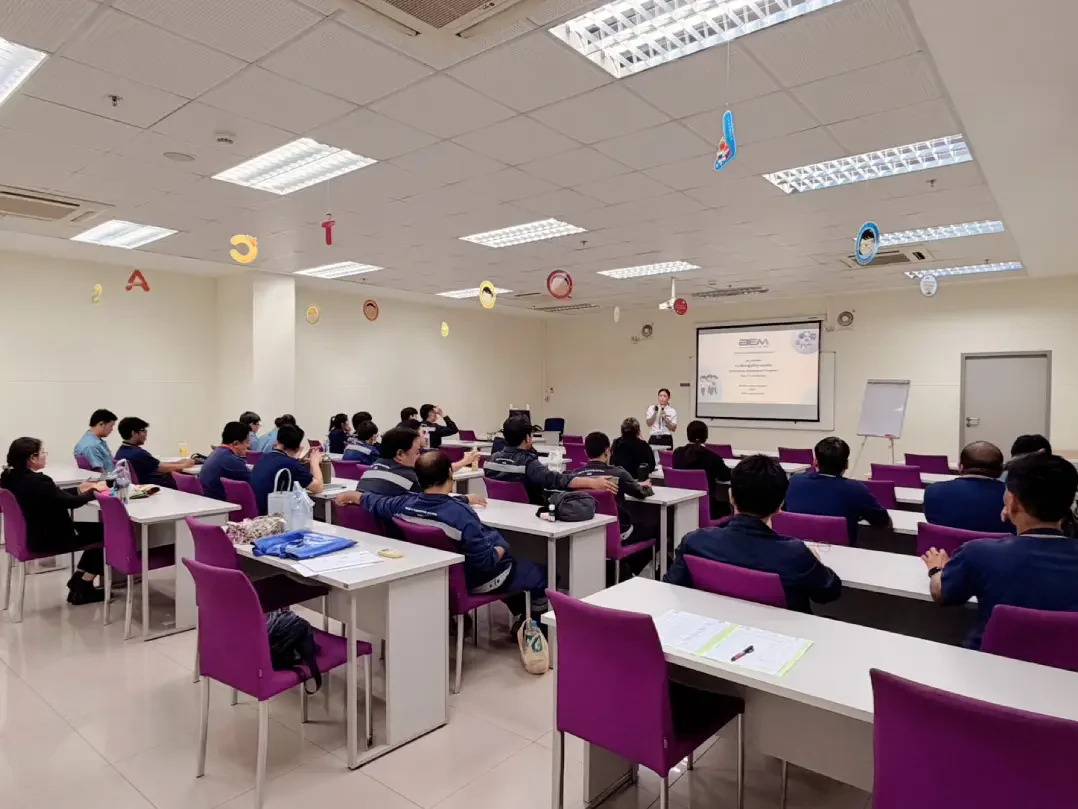
BEM offered a diverse range of training programs delivered through various formats and channels to executives and employees at all levels. A total of over 600 training courses were conducted. To drive continuous growth, the Company has established an explicit training target of 40 hours per employee per year, which is equivalent to 5 training days per employee per year.


Training Courses
Based on 2025 operational outcomes, average training hours per employee reached 61.40 hours per employee per year, with an average of 7.68 training days per employee per year, surpassing the established targets. When analyzed by gender, male employees completed an average of 72.54 training hours per employee per year, while female employees completed 53.94 training hours per employee per year.
Additionally, to ensure the effectiveness of training programs, BEM conducts post-training evaluations to assess knowledge and skill acquisition. Furthermore, training satisfaction is measured, with an average satisfaction score of 97.40% in 2025, indicating a “very good” level. This positive reinforcement successfully contributed to an upward trend in employee engagement and overall job performance satisfaction compared to the previous year.
Employee Training Data 2025

Average training hours

Total training hours

Average training days

Average training hours for male employees

Average training hours for female employees
Examples of training courses for employee capability development of the Company (the Company and its subsidiaries) in 2025
This course was provided to new employees to strengthen their understanding of the Company’s corporate culture and core values. The program fosters employee engagement, promotes a positive workplace experience, and cultivates a strong sense of belonging and alignment with the Company’s culture. These efforts contribute to talent retention and support a continued reduction in employee turnover.
This course was provided to employees to enhance their knowledge of efficient resource and energy use, promote environmentally responsible behaviors in daily operations, and foster pride in contributing to environmental protection. These efforts help reduce the Company’s environmental impacts and operating costs while supporting its achievement of the Green Office Award.
Moreover, BEM implemented managerial competency development programs for executives to enhance their personnel management skills and drive the organization towards its defined goals. These programs include:


Examples of development programs in 2025
This course was provided to middle management employees (Division Managers) through a series of StrengthsFinder® learning modules, including StrengthsFinder® Mindset, Main 4 Theme and 34 StrengthsFinder®, Ignite My Own Strengths, Expanding Your Strengths, and Execute Your Strengths. The program helps participants identify and leverage their individual strengths while enhancing their leadership, team management, and execution capabilities. These efforts support the development of high-potential leaders who can effectively drive organizational performance, achieve the Company’s mission, and strengthen the long-term leadership pipeline.
This course was provided to top management members of the Occupational Safety, Health and Environment Committee to enhance their knowledge and understanding of occupational safety and promote safe work practices that reduce the risk of workplace accidents. The program also strengthens participants’ ability to safeguard both themselves and their colleagues, contributing to a safe, secure, and healthy working environment, reducing workplace accidents and related healthcare costs, and reinforcing a strong corporate culture of safety across the organization.
This course was provided to top management employees at the Director level or equivalent and above. The program covered key topics including the cybersecurity landscape and risk management, executive roles in cybersecurity governance and strategic direction, business continuity and incident response, as well as risk culture and human factors. It enhances executives’ awareness and understanding of cybersecurity and their role in effective cyber risk governance, helping to minimize operational risks and potential losses from cyberattacks while strengthening stakeholder confidence and fostering a strong culture of information security across the organization.
This course was provided to BMN operational management employees (Section Managers) to enhance their awareness and understanding of anti-corruption mechanisms and internal controls. The program enables participants to apply this knowledge in establishing corporate policies and operational guidelines while serving as role models for ethics, integrity, and organizational transparency. These efforts help minimize financial and reputational risks, strengthen stakeholder confidence, and reinforce good corporate governance and organizational integrity across the Company.